Driving from Sydney to Byron Bay? Discover the best coastal stops, hidden beaches and road trip tips along NSW’s most beautiful stretch.

Some road trips exist purely on paper: perfect distances, scenic stops, convenient hotels. Others reveal themselves slowly, unfolding across kilometers of coastline where beaches appear when you least expect them and small towns give you reasons to stay far longer than planned.
The drive from Sydney to Byron Bay belongs firmly in the second category. Stretching roughly 500 miles (800 kilometers) up Australia’s east coast, it refuses to behave like a neat point-A-to-point-B journey. Urban sprawl gives way to rainforest edges. Busy highways dissolve into quiet coastal detours. Polished city energy gradually softens into barefoot beach culture.
Travelers don’t come back dramatically transformed — no Eat Pray Love revelations here — but subtly recalibrated. They carry memories of sunrise swims, conversations at roadside cafés that somehow linger, and that particular freedom that comes from heading north with no real plan beyond seeing what appears around the next bend.

Preparing for Coastal Driving in NSW
Before the wheels hit the pavement, a little realism helps. Coastal drives through New South Wales are stunning, but they’re not without challenges: winding roads through national parks, sudden weather shifts, wildlife crossings after dusk, and stretches where gas stations feel uncomfortably far apart.
Vehicle prep matters more than most travelers expect. Check tire pressure, make sure the spare actually works, confirm brake responsiveness, and top off fluids. Coastal routes have a way of exposing mechanical optimism — usually at the worst possible moment.
Paperwork deserves the same attention. In NSW, drivers need valid compulsory third party (CTP) insurance to register a vehicle. This mandatory coverage protects against injury costs resulting from accidents, regardless of fault. Smart travelers double-check coverage before departure, avoiding last-minute registration headaches that delay the fun part.
If you’re driving an NSW-registered vehicle, confirm CTP green slip coverage with a provider like NRMA Insurance before a long coastal journey. Knowing injury-related costs are covered lets you focus on the scenery instead of every hypothetical disaster.
Pack like someone who respects inconvenience: water, snacks, a first aid kit, a phone charger and — yes — physical maps. Mobile coverage drops along parts of the coast, turning navigation apps into expensive paperweights. Preparation doesn’t kill spontaneity; it protects it.

Sydney to Newcastle: Escaping Urban Gravity
Leaving Sydney requires patience. Morning traffic does its best to test resolve, and the first stretch can feel like a bureaucratic obstacle course. Push through. Once the city finally loosens its grip, the Pacific Highway opens toward something more interesting.
Newcastle arrives about two hours north and makes an excellent first stop. Once defined by coal and industry, the city has quietly reinvented itself. Converted industrial spaces house galleries, café culture thrives along the waterfront, and surf breaks pull in year-round devotees who structure their days around swell forecasts.
Newcastle Beach offers perspective. Surfers work the breaks while container ships slide past offshore — an oddly perfect visual summary of the city’s past and present. Grab a coffee nearby and listen to conversations that jump effortlessly between weekend plans and wave conditions.
If time allows, linger. Coastal walks link multiple beaches, Fort Scratchley adds a dose of convict-era history, and Blackbutt Reserve offers native wildlife without the staged feel of a zoo. Each extra hour pays off.
From here, traffic thins and the road starts flirting with the coastline — brief ocean glimpses that promise better things ahead.
MORE: Australia’s Surf Scene
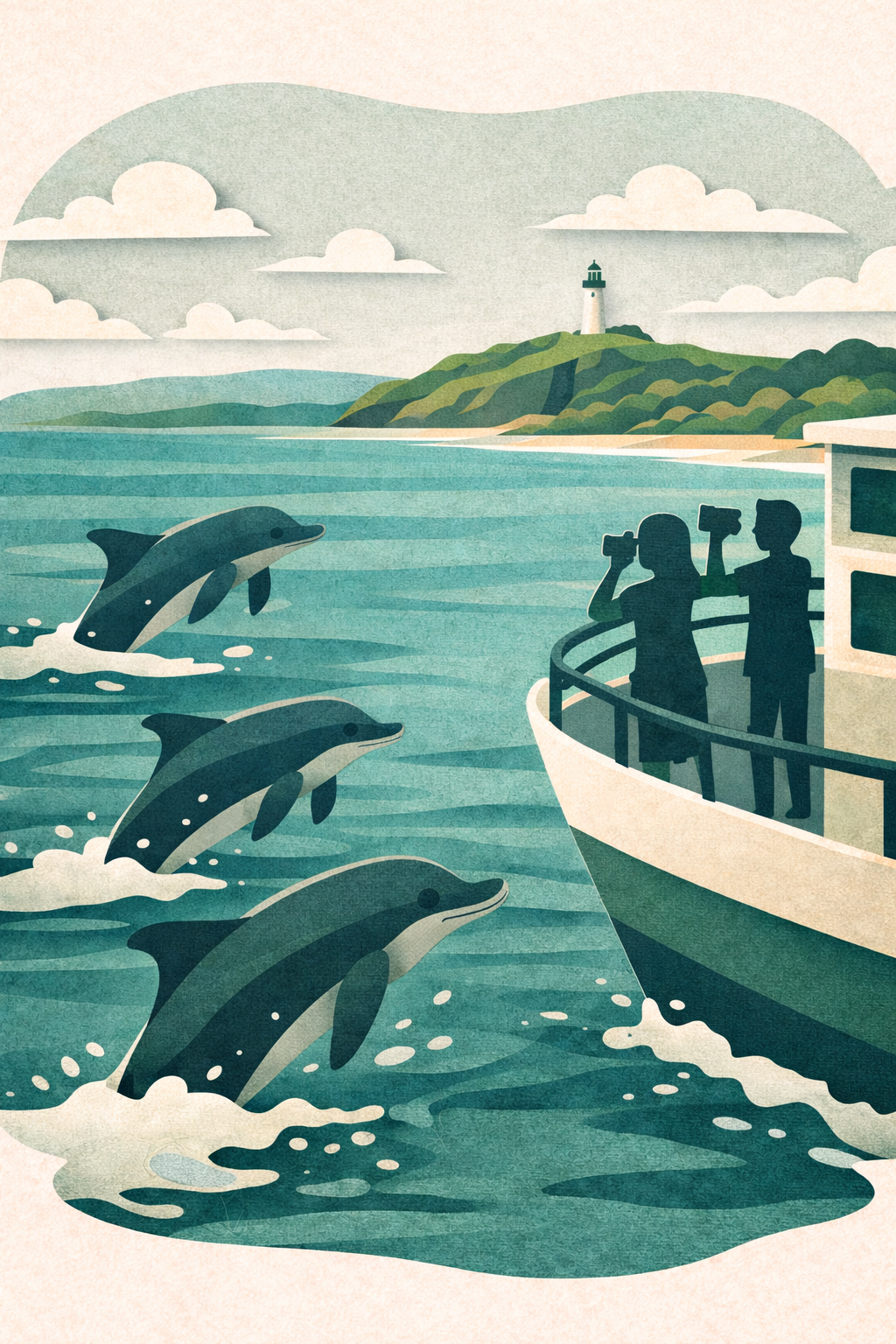
Port Stephens: Where Dolphins Outnumber Deadlines
About 19 miles (30 kilometers) north of Newcastle, Port Stephens feels like a secret locals reluctantly admit exists. The harbor system includes 26 beaches, ranging from calm, family-friendly coves to surf breaks that reward experience.
Nelson Bay acts as the region’s informal hub, though “commercial center” feels generous. Marinas host fishing charters and dolphin-watching boats, cafés serve seafood caught hours earlier, and the prevailing mood suggests nobody is checking their watch.
Dolphins are a regular part of life here. Resident bottlenose pods swim these waters year-round, often surfacing close to shore or alongside boats. There’s nothing performative about it — just wildlife doing its thing, occasionally letting humans tag along.
For adrenaline, Stockton Sand Dunes deliver. Stretching 20 miles (32 kilometers) along the coast, they’re ideal for sandboarding or sunset walks that feel vaguely lunar. Bring real footwear. Hot sand humbles quickly.
Give Port Stephens at least half a day. Sunrise over the water, oysters straight from local beds and long beach walks aren’t things to rush. This is memory-making territory.
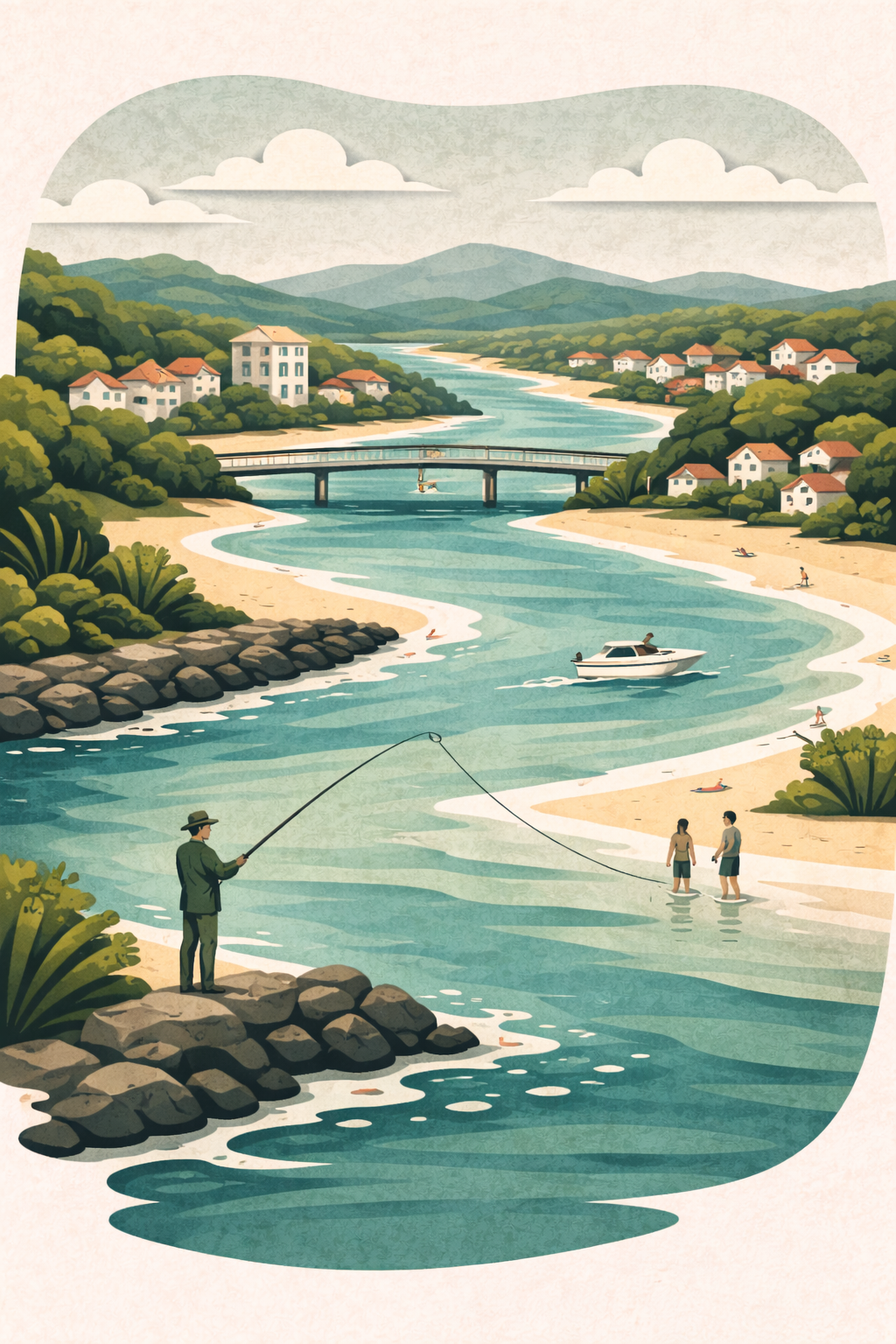
Manning Valley: Where Farms Meet the Sea
North of Port Stephens, the landscape shifts again. Farmland creeps toward the coast, rivers cut through valleys and towns move at their own pace, largely indifferent to tourism trends. Manning Valley captures this balance perfectly.
Forster–Tuncurry anchors the coast, twin towns divided by a narrow channel and united by excellent beaches. Locals argue about which side is better. Visitors wisely enjoy both. Crowds thin noticeably here, making room for quiet swims and long walks broken only by fishermen checking lines.
The surrounding Great Lakes region forms Australia’s largest saltwater lake system. Myall Lake stands out — ideal for kayaking, paddleboarding and finding campsites reachable only by water. It’s the kind of place where silence feels intentional.
Food stays refreshingly unfussy. Fish and chip shops take seafood seriously. Bakeries turn out meat pies locals actually line up for. Farm gates sell produce without branding exercises. Skip polish in favor of places where weather still dominates conversation.
Overnight stops here shape the experience. Whether motel or guesthouse, choose based on vibe rather than star rating.

Port Macquarie to Coffs Harbour: Popular for a Reason
Port Macquarie arrives polished but not soulless. Tourism infrastructure exists, but so does genuine character. The town balances coastal walks, solid surf and one of Australia’s most well-known wildlife facilities.
The Koala Hospital is exactly that — a working hospital. Volunteers treat injured animals while explaining the realities of habitat loss, vehicle strikes and disease. It’s informative, sobering and worthwhile.
Town Beach sits conveniently in the city center without feeling overrun. Coastal trails link beaches with distinct personalities, and Lighthouse Beach rewards those willing to walk a bit farther with space and consistency.
Up north, Coffs Harbour plays many roles: agricultural hub, tourist town, transit stop. The Big Banana announces arrival with unapologetic kitsch. Past the novelty, though, the region delivers.
Solitary Islands Marine Park offers standout snorkeling and diving. Hinterland drives uncover rainforest, waterfalls and small communities holding onto alternative roots. Stay the night. The area deserves more than a fuel stop.
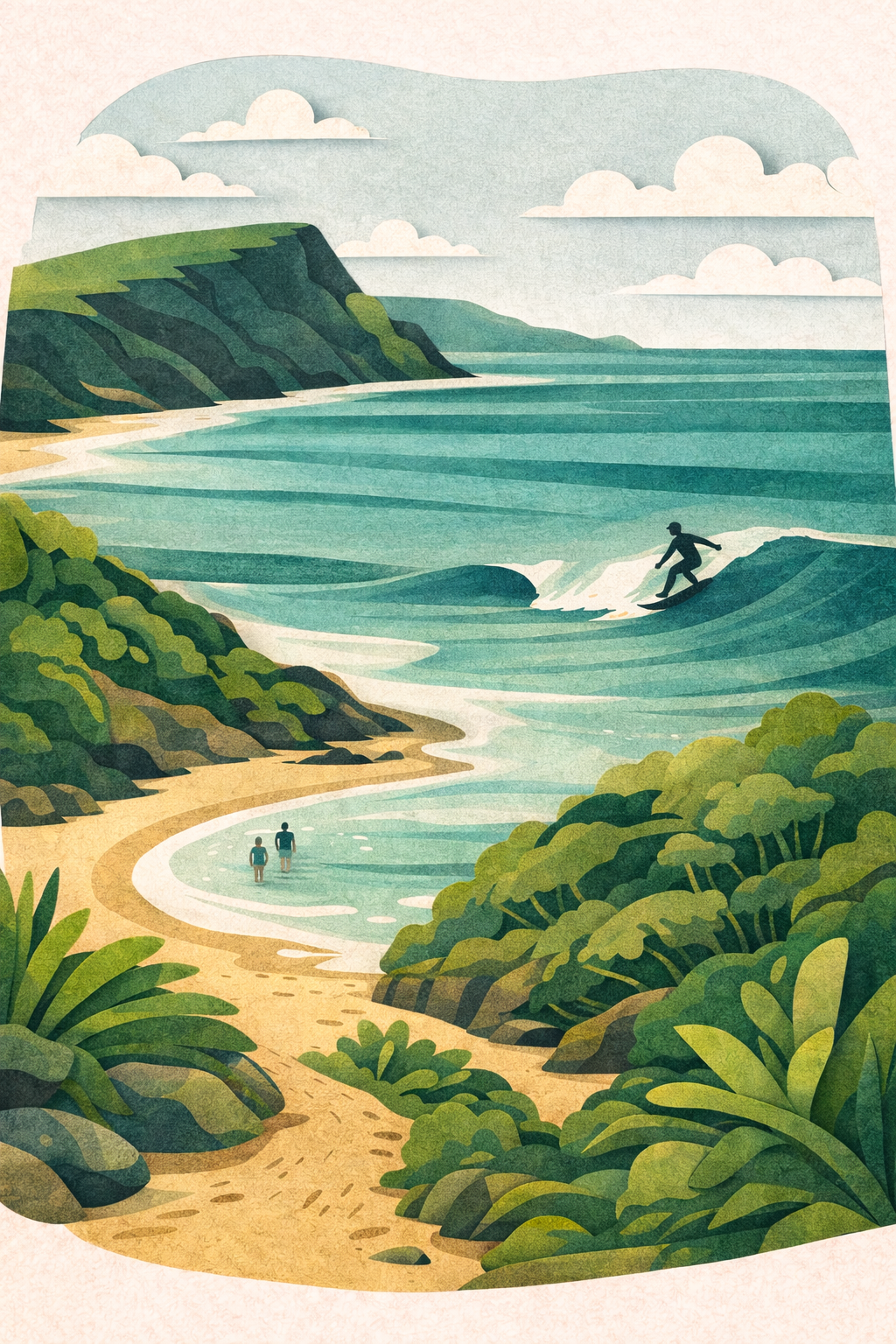
Byron Bay Approaches: A Shift You Can Feel
The final approach to Byron Bay brings a subtle but unmistakable change. Campervans multiply. Kombis appear. Surfboards sprout from every possible roof rack. The energy softens.
Ballina comes first — quieter, more grounded and often overlooked. Its beaches rival Byron’s without the crowds, and many travelers “accidentally” extend their stay.
From Ballina, take the coastal route. Lennox Head’s right-hand point break is legendary. Suffolk Park offers refuge from Byron traffic. Side roads lead to beaches that feel deliberately undiscovered.
Byron announces itself gradually. Yoga studios multiply. Café menus get longer. Adaptogens appear. Love the evolution or roll your eyes at it — Byron’s pull remains undeniable.

Arriving in Byron Bay: Ending and Beginning
Byron operates by its own logic. Sunrises draw crowds to Cape Byron Lighthouse, Australia’s easternmost point, where dawn feels communal. Beaches stretch endlessly, each with its loyalists: Main Beach for learners, the Pass for longboarders, and Wategos for those seeking a little distance.
The town hums. Markets sell crystals and vegetables with equal conviction. Restaurants mix global influences with local produce. Wellness offerings range from genuinely restorative to questionably mystical. Sample freely. Judge lightly.
Byron’s diversity often surprises first-timers. Travelers, longtime locals, entrepreneurs, artists and spiritual seekers coexist — sometimes seamlessly, sometimes chaotically. Conversations spark easily. Plans change often.
The hinterland restores balance. Bangalow, Federal and Mullumbimby offer quieter rhythms, strong coffee and creative communities that feel rooted rather than curated.
Stay a few days at least. Byron doesn’t reward rushing. Sunrise swims, long beach walks and slow evenings reveal its better side.

Why This Drive Lingers
Road trips act as moving meditations. Hours behind the wheel create space for thoughts normally crowded out. Landscapes shift, routines loosen, and distance from home creates distance from habit.
This New South Wales road trip compresses a remarkable slice of Australia into one journey. From city to surf town, through national parks, farmland and working communities, it showcases coastal life in all its variations.
Conversations happen easily here — at cafés, car parks and campgrounds. Locals share tips. Travelers trade discoveries. Australia’s reputation for friendliness feels earned in these unscripted moments.
Practical Wisdom From the Road
Allow four to seven days if possible. Faster is doable but misses the point.
Book accommodations early during summer. Shoulder seasons bring better weather, fewer crowds and better prices.
Pack layers. Weather shifts quickly and coastal mornings stay cool.
Fuel up early on detours. Optimism isn’t a strategy.
Download maps but bring paper ones, too — and tell someone your route. Independence works best with a safety net.
When Asphalt Turns Into Adventure
Sydney to Byron Bay delivers scenery, tests patience and quietly shifts perspective — all without demanding extreme conditions or heroic planning. No deserts. No crocodiles. Just coastline, communities and an open road that rewards slowing down.
You’ll remember oysters eaten meters from where they were harvested, clifftop walks misted with ocean spray, kookaburras laughing at dawn, and kindness offered without ceremony.
Fuel up, check your coverage, pack sensibly and head north. Byron Bay awaits — but the real story unfolds in everything between. –Lucy Mitchell
MORE: Victoria Road Trips