TRAVEL TIPS

Why Some Cities Are Best Experienced on Foot

Some cities simply make more sense at walking speed. Exploring on foot reveals the details you miss in cars and trains. 
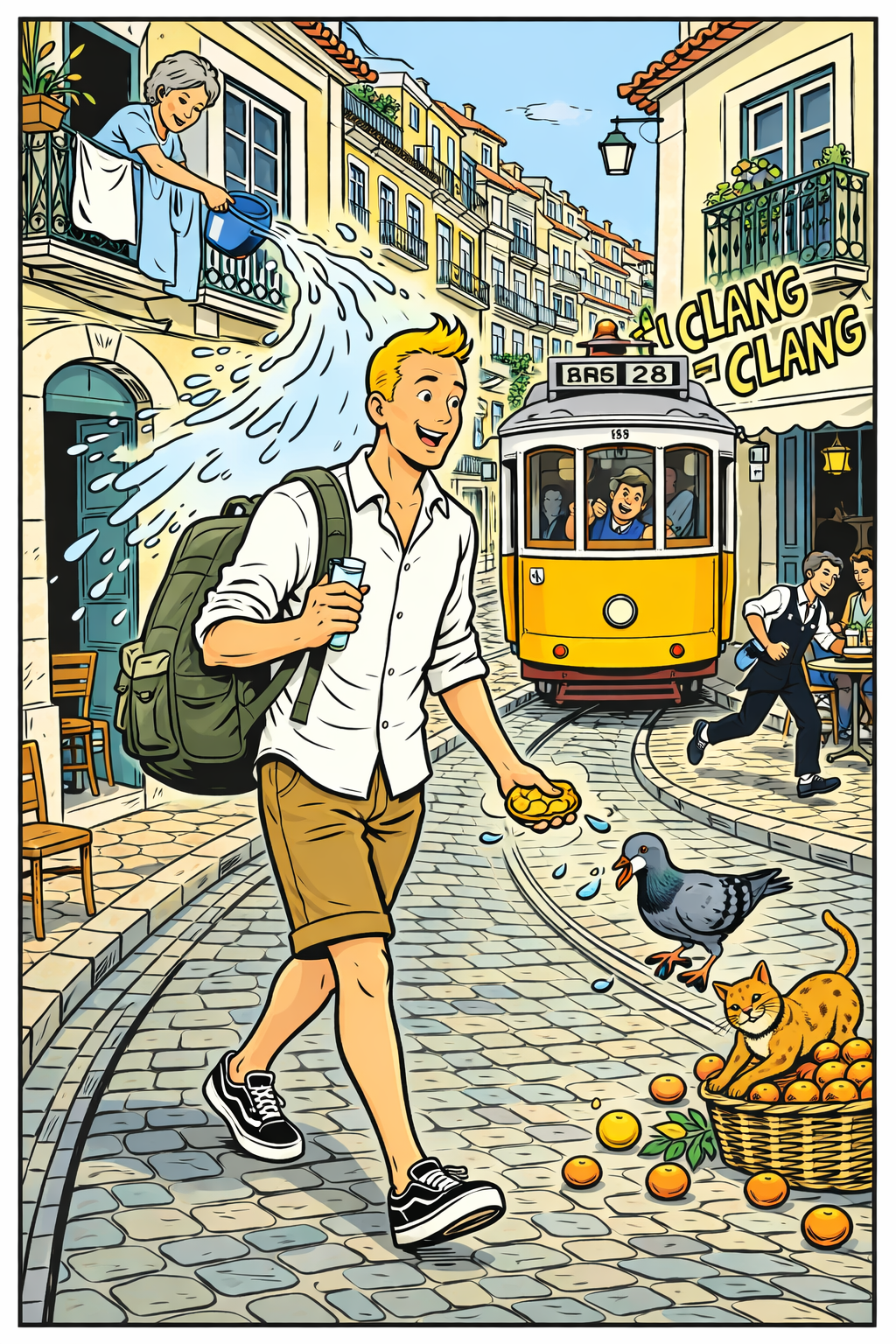
A traveler narrowly missed a bucket of water a woman is pouring from a window as a tram car approaches, a waiter runs past a cafe and a cat sits on a basket of oranges in Lisbon, Portugal

Some cities don’t want to be rushed.

You feel it almost immediately — usually about 10 minutes after you’ve tried to “efficiently” see them by bus or rideshare and realized you’ve spent more time staring at brake lights than at anything remotely interesting.

Then you step onto the sidewalk, start walking, and suddenly everything clicks. Conversations spill out of cafés. Someone’s grandmother is watering plants from a second-floor balcony. A bakery you didn’t plan to visit smells so good you abandon all self-control and buy a pastry the size of your head.

The city stops feeling like a list of attractions and starts feeling like a place people actually live.

Walking is a key element of slow travel. It doesn’t just move you through a destination. It lets you participate in it.
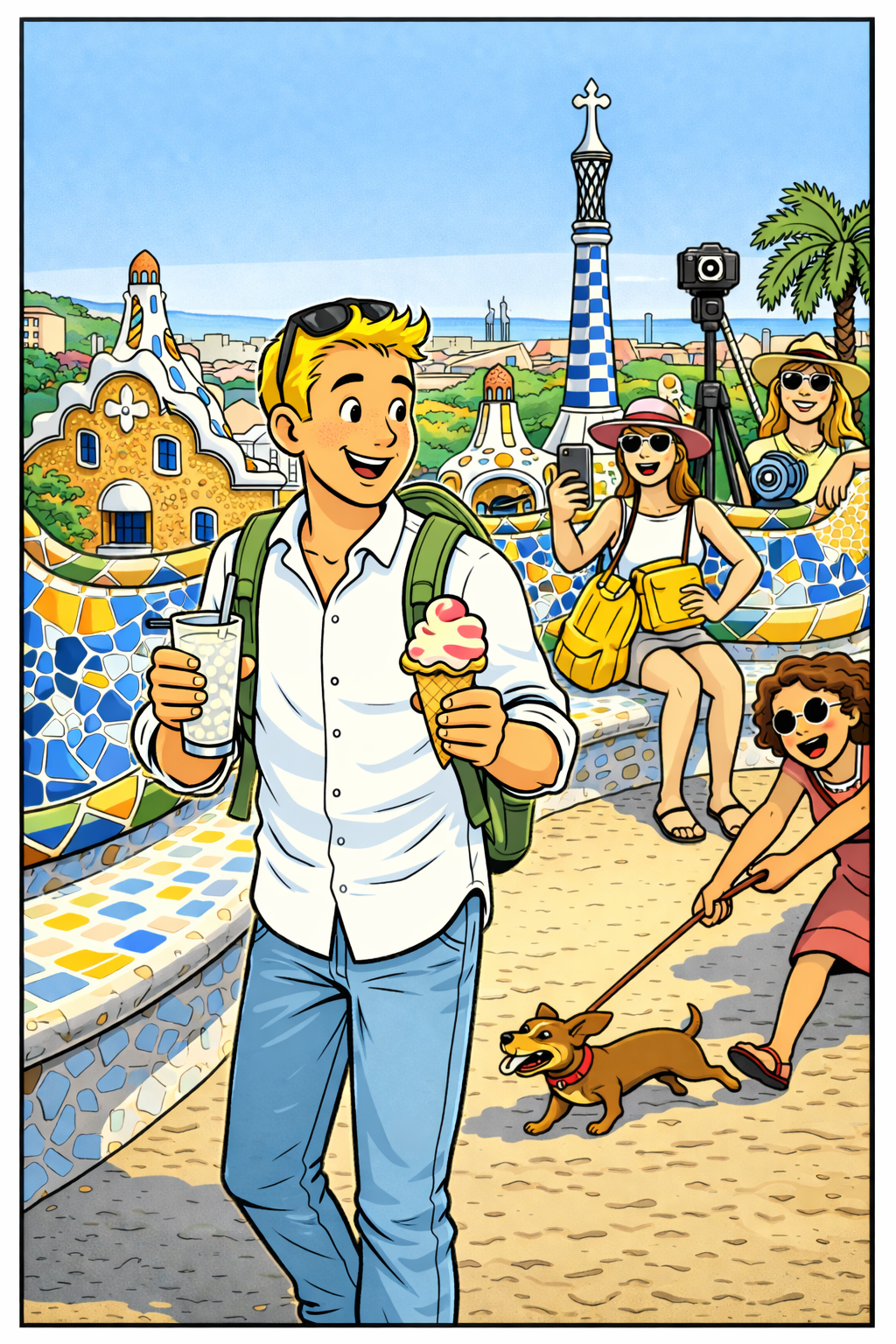
A man holds a drink and ice cream cone in Park Guell in Barcelona, Spain, by a girl being pulled by a dog on a leash and influencer-wannabes take selfies by the colorful, curving mosaic bench and structures

Walking changes your relationship with a city.

When you’re on foot, distances shrink and details multiply. A neighborhood that looked far apart on a map turns out to be a pleasant 10-minute stroll. A random side street becomes the highlight of your day.

Instead of jumping from landmark to landmark like you’re collecting stamps, you begin to notice how everything connects — how the residential blocks blend into the commercial ones, how a quiet morning street becomes lively by evening, how the same coffeeshop fills with completely different people throughout the day.

Urban planners have been saying this for years. Walkable streets tend to foster stronger connections between people and their surroundings — something the folks at Project for Public Spaces have documented extensively. But you don’t need research to feel it. Spend an afternoon wandering and you’ll understand instinctively.

Walking turns travel into a series of small discoveries instead of a checklist.
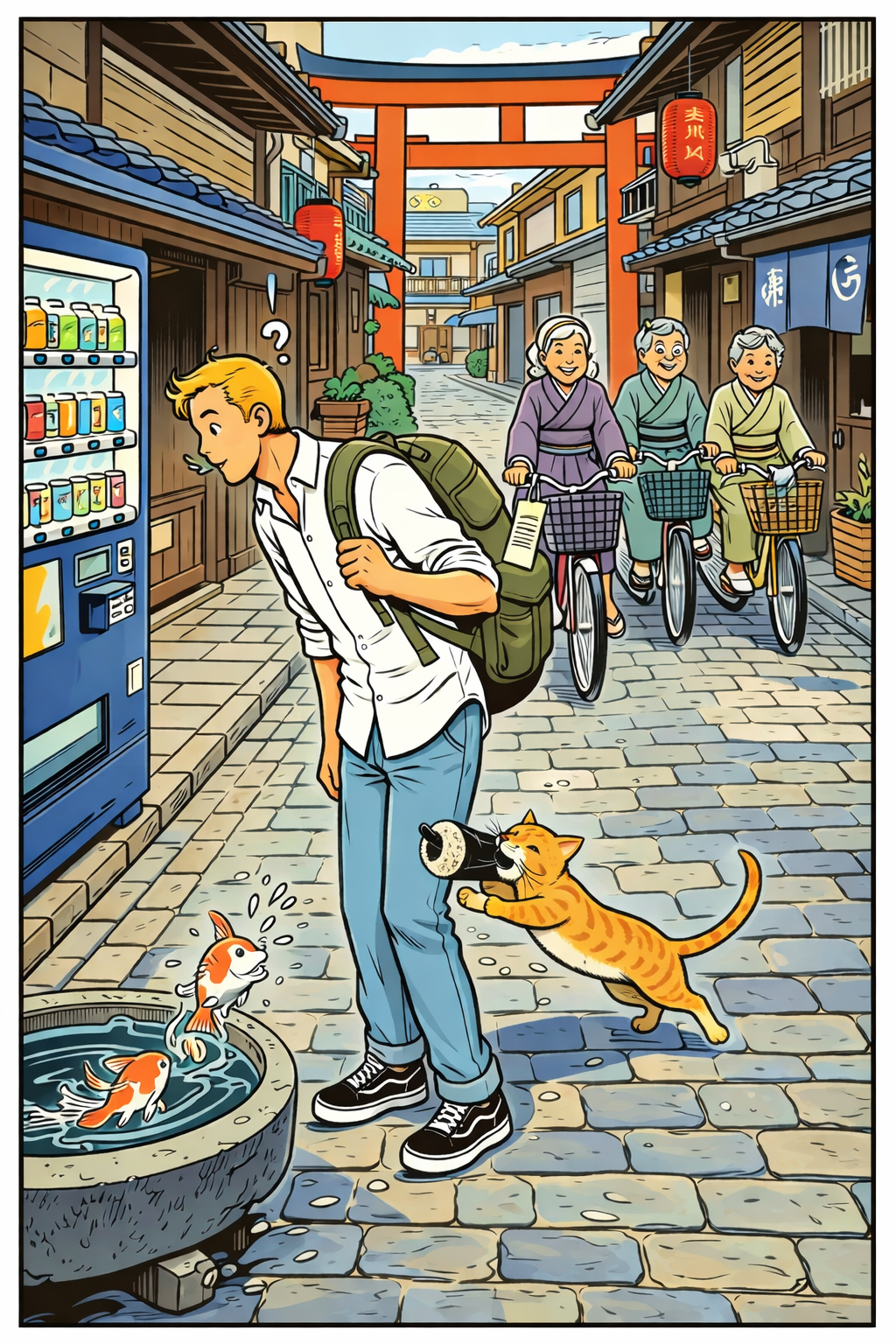
A man in Kyoto, Japan looks questioningly at a vending machine by a cat with a rice roll in its mouth and three older women approach on bikes and koi swim in a small round basin

Many cities were built for human scale.

Many of the world’s most memorable cities were designed long before cars took over. They were built for feet, not traffic patterns.

Narrow lanes. Central squares. Shops tucked beneath apartments. Everything within reach of a short walk.

Places like Lisbon, Kyoto, Paris and Barcelona practically beg you to explore without a plan. Even when public transit is excellent, the most memorable moments often happen between the stops — the tiny wine bar you duck into to escape the rain or the quiet plaza where you end up people-watching for an hour longer than intended.

These cities reveal themselves slowly, layer by layer. And walking is the only way to peel those layers back.
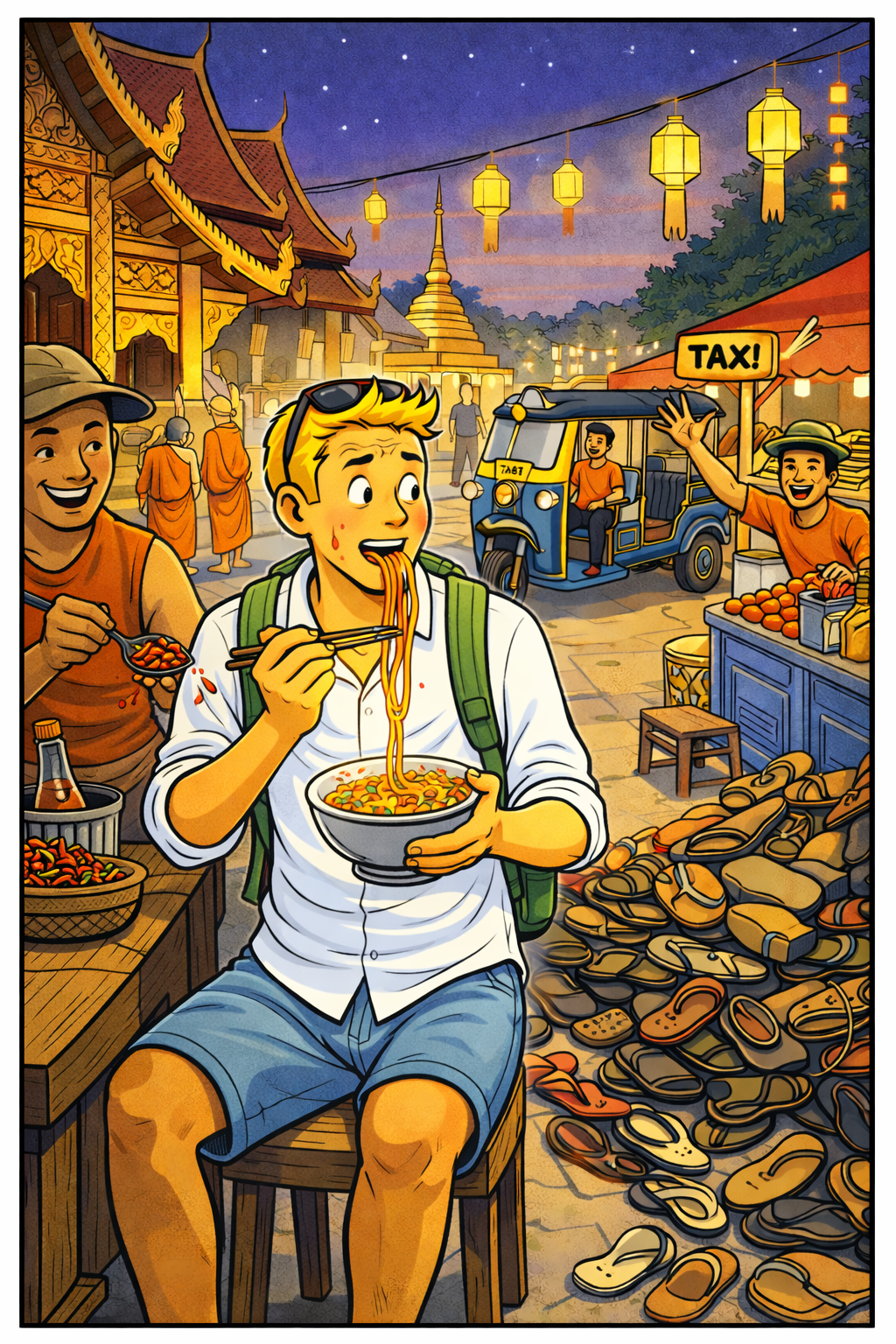
A man stuffs his face with noodles at a street food stall by a Buddhist temple, a pile of sandals, a waving vendor, a tuktuk and a string of lanterns

You notice what locals notice.

There’s a subtle shift that happens when you explore on foot. You stop feeling like a tourist passing through and start feeling, at least temporarily, like you belong.

You wait at the same crosswalks locals do. You pop into the corner market for water. You start recognizing faces. You develop completely irrational loyalty to one specific café as if you’ve been going there your whole life.

You notice where people gather after work, which streets feel lively at night, which ones empty out by sunset. Those small observations build familiarity, and familiarity builds comfort.

It’s the difference between seeing a city and understanding it.
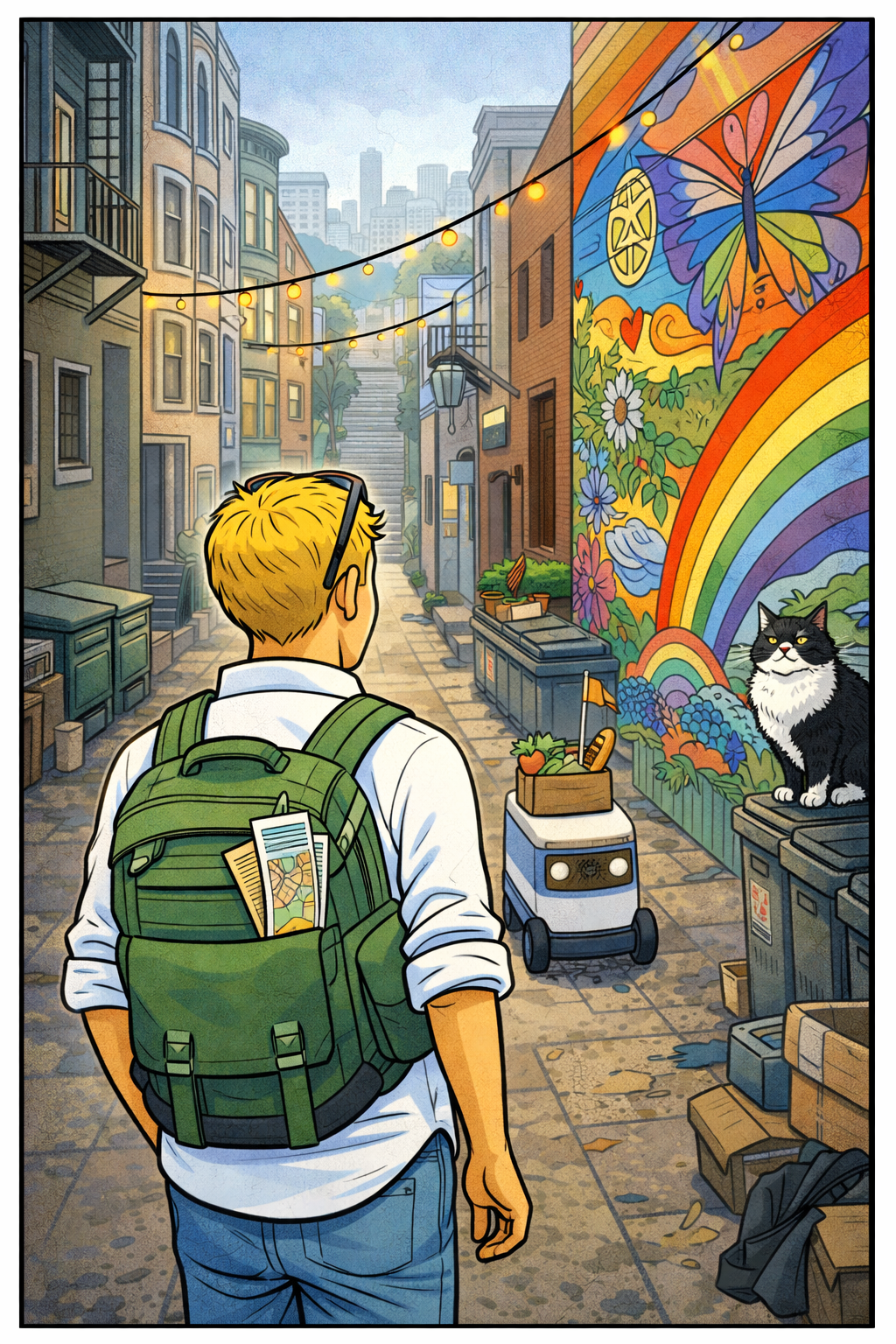
A man enters an alley in San Francisco, USA, where there's a colorful rainbow and nature mural painted on a wall, a robot delivering food, a scowling cat and a string of lights

Flexibility leads to the best stories.

The most memorable travel moments rarely come from the itinerary. They come from detours.

A wrong turn leads to a street market. A quick walk before dinner turns into a sunset along the river. You spot something interesting down an alley and think, “Why not?” and suddenly you’ve stumbled into the best meal of the trip.

That kind of serendipity only happens when you’re moving slowly enough to notice it. Slow, walk-focused travel tends to create more meaningful experiences because it emphasizes presence over efficiency.

In other words, walking leaves room for magic.
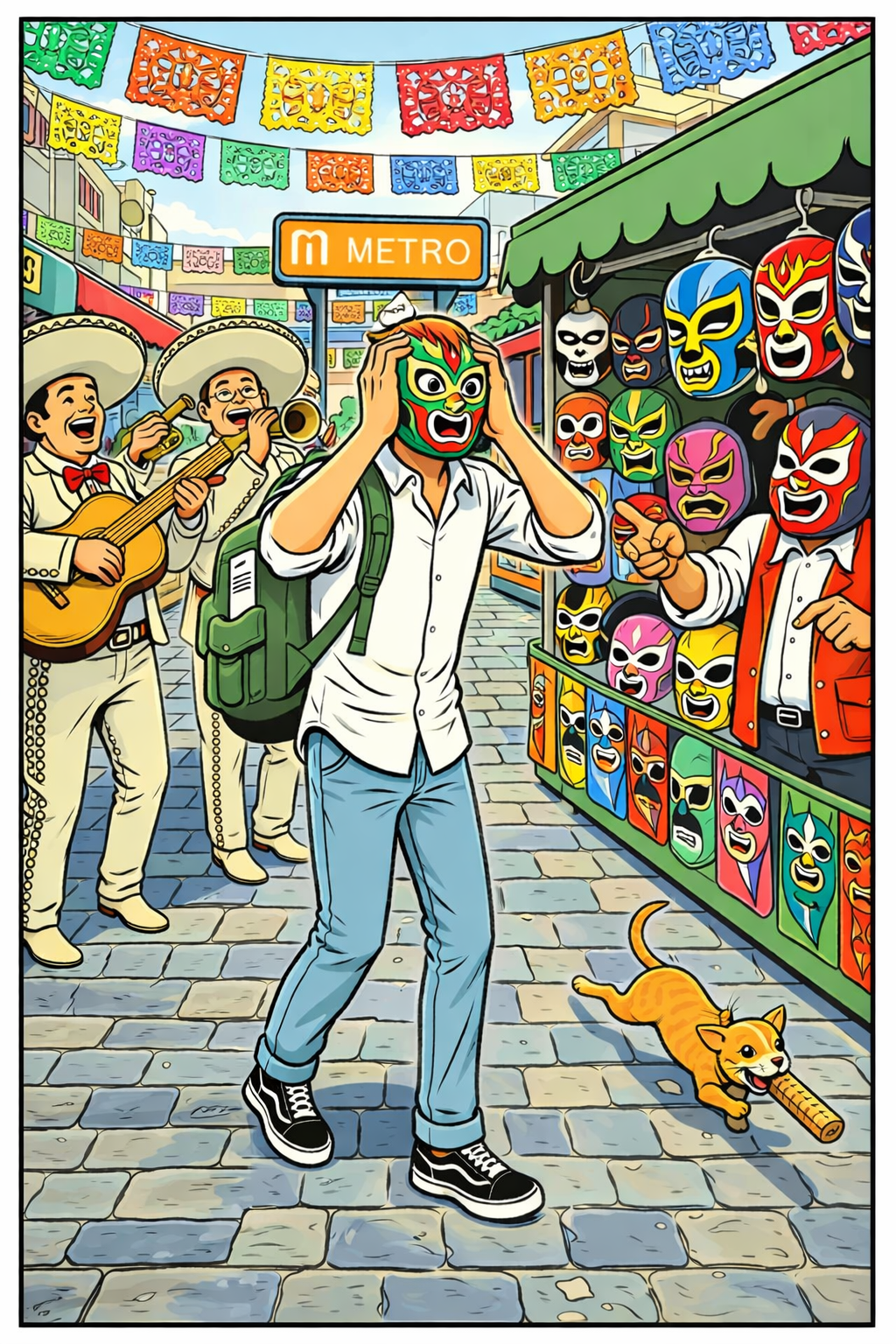
A man tries on a luchador mask by a vendor in CDMX as a dog runs by with a churro in its mouth and a mariachi band plays behind him

Comfortable shoes make all the difference.

Of course, none of this sounds romantic if your feet hurt.

Nothing ruins a charming cobblestone street faster than blisters and that slow, tragic shuffle back to your hotel while everyone else is still happily wandering into wine bars.

Supportive, cushioned shoes make city walking infinitely more enjoyable. Styles built for durability and stability — including skate-inspired sneakers — can be surprisingly perfect for long days on pavement. Solid construction and real support matter far more than looking cute for exactly 14 minutes and then regretting everything.

We usually pack something sturdy and broken-in, whether that’s a pair of Globes that can take a beating, classic, casual styles from Vans that work with literally everything in a carry-on, or lightweight runners from Nike. The goal isn’t Fashion Week. It’s “we somehow walked nine miles before dinner.”

Fit and breathability matter just as much as style. Your feet will decide how much of the city you actually get to see.

A pigeon lands on the head of a man pressing mint leaves to his nose at the tannery in Fes, with circular vats filled with colorful dyes

Walking connects neighborhoods — not just attractions.

Public transport is great for covering distance, but it tends to move you between highlights. Walking shows you everything in between.

You see how residential streets blend into busy shopping areas. You notice the hardware store that’s been there for decades, the tiny bakery locals line up for every morning, the park where kids kick a ball around after school.

That context transforms a destination from a collection of landmarks into a living, breathing place.

And that’s usually what we’re traveling for in the first place.
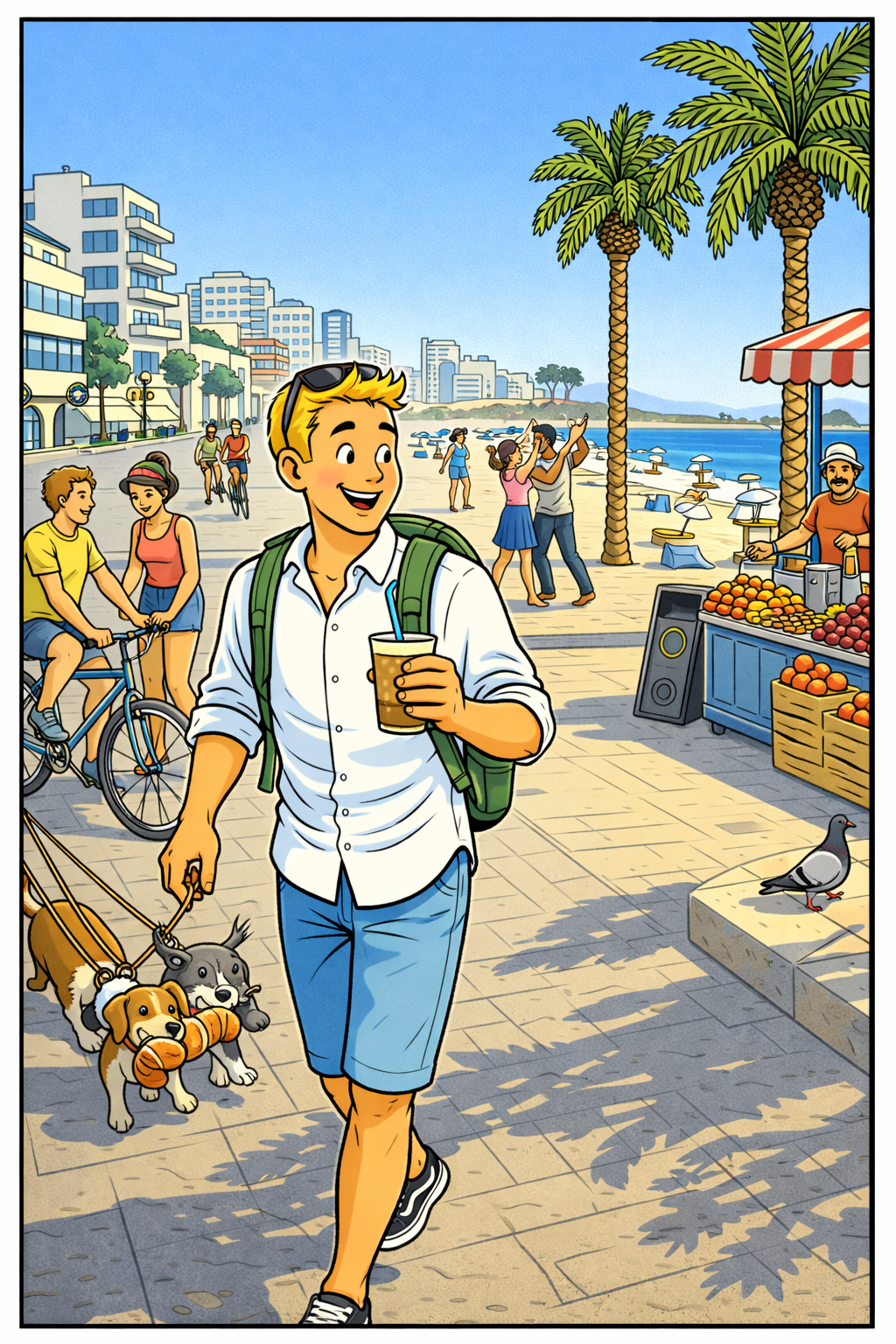
Bringing the Walking Mindset Home

Once you experience a city this way, it’s hard to go back to rushing. You start choosing accommodations based on walkability. You plan days around neighborhoods instead of attractions. Sometimes you even wander your own hometown with fresh eyes and realize you’ve been missing things all along.

Walking slows you down just enough to notice what’s right in front of you.

And often, that’s where the good stuff is.

Some cities are best experienced on foot because walking aligns with how they were meant to be lived in. With comfortable shoes, a flexible mindset and time to wander, travel becomes less about covering ground and more about connecting with a place.

Step outside. Start walking. Let the city do the rest. –Rai Sadi

From Tourist Traps to True Stories: Why Your Next Trip Should Be About Living, Not Just Looking

Slow down, ditch the checklist and discover how meaningful, local experiences turn ordinary vacations into the stories you’ll still be telling years later.

A young man with camera and tattoos scratches a purring kitty outside the Colosseum in Rome

Ever scrolled through your own vacation photos and thought, Wait… was I actually there?

You recognize the landmark — the Eiffel Tower, the Colosseum, that one aggressively blue Greek church dome everyone photographs — but the memory itself feels fuzzy. You remember the angle of the selfie more clearly than the air, the noise, the way the place actually felt to stand inside it. Thirty seconds, one obligatory shot and then you were hustling off to the next stop because the museum tickets were timed and dinner was across town and somehow you were already late.

By the end of the day, you’d “seen everything.” And experienced… what exactly?

Travel, somewhere along the way, turned into a checklist.

A tattooed guy licks gelato by the Trevi Fountain in Rome while on a date with a bearded man
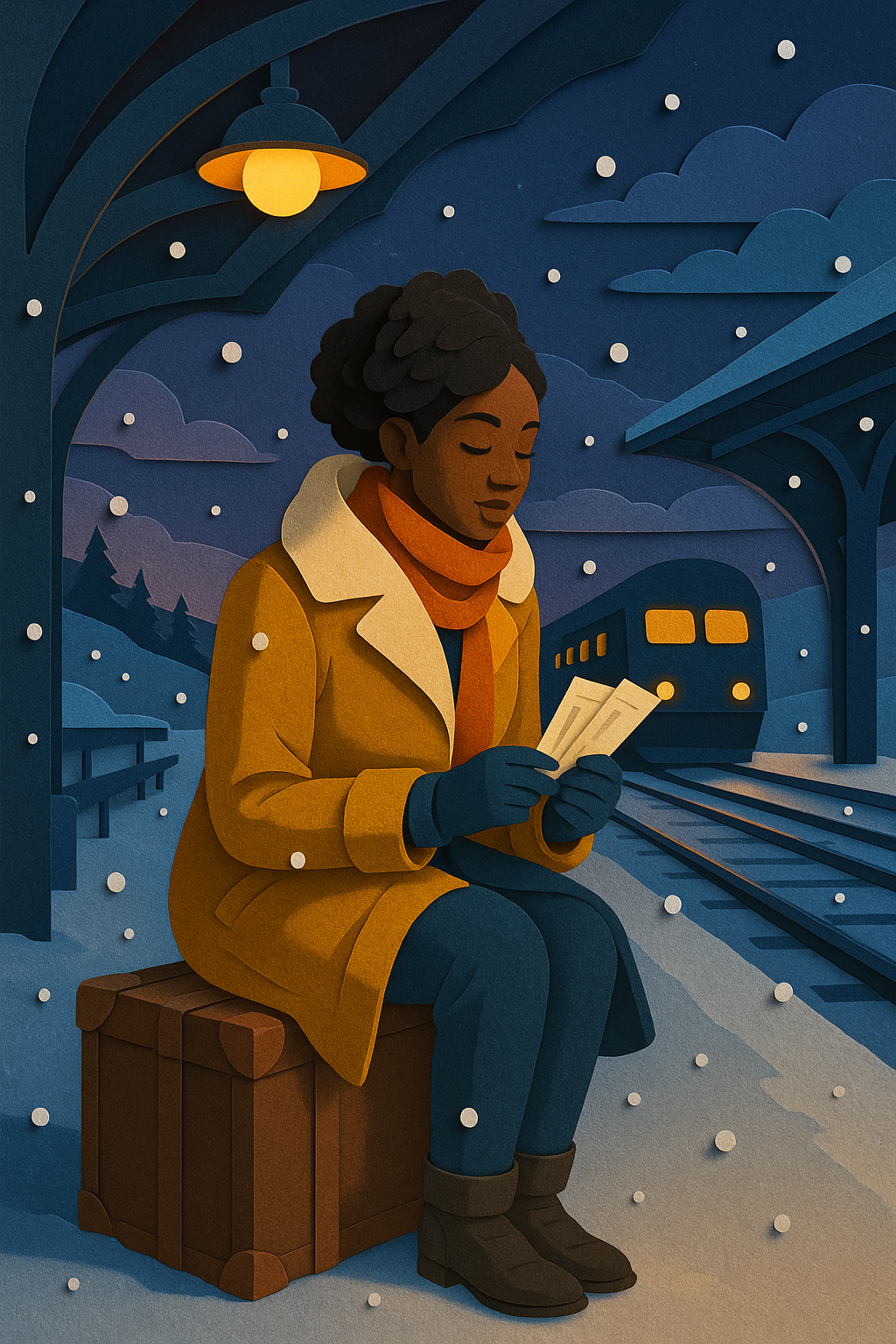
The Problem With Bucket Lists

Bucket lists aren’t evil. They’re the reason we start dreaming in the first place. They get us through February. They give us something to Google at midnight. But they’ve also trained us to treat cities like tasks — as if Rome or Paris were items to complete rather than places to inhabit.

Success becomes a numbers game. How many cities in one week. How many landmarks before lunch. How many “must-sees” squeezed into five days like you’re cramming for an exam.

You see it everywhere. Two days in Rome and people are speed-walking between the Colosseum, the Vatican and the Trevi Fountain, phones held high above the crowd, eyes glued to Google Maps. They’ve technically done the city, but if you asked what they smelled, tasted or heard, they’d probably say, “Uh… traffic?”

Rome — a city built slowly and gloriously over thousands of years — deserves better than a drive-by. Most places do.

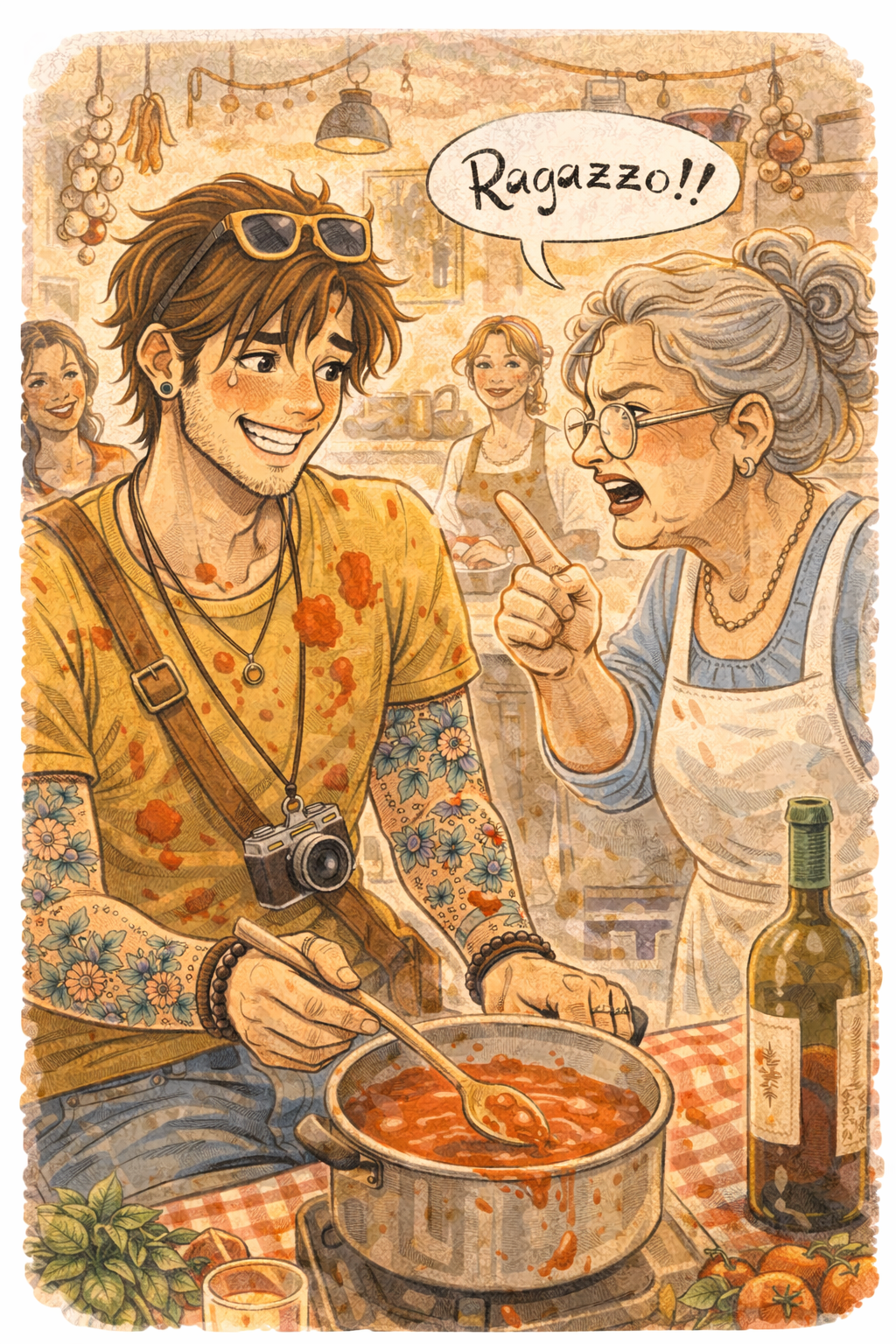
A young man smiles sheepishly as he is covered in tomato sauce and gets yelled at by an Italian nonna who yells, "Ragazzo" at him

What Storyliving Actually Means

Here’s where things get interesting. What if, instead of trying to see Rome, you tried to live a tiny slice of Roman life?

Not forever. Not dramatically. Just enough to let the place seep in.

Maybe that looks like skipping one monument and wandering into Trastevere instead, where laundry hangs between buildings and Vespas buzz past your ankles. Maybe you duck into a tiny cooking class because the sign in the window looks charmingly chaotic and suddenly you’re covered in flour while someone’s nonna scolds you for overworking the dough.

Hours later, you’ve learned to make pasta badly but enthusiastically. You’re laughing with strangers. You smell like garlic and tomatoes. You don’t have a single photo that screams “bucket list achievement.”

And yet, ten years from now, that’s the moment you’ll remember. That’s storyliving. Not collecting destinations like Pokémon cards, but collecting experiences that actually become part of you.

Two people sit on a balcony in Rome at sunset, cheersing their red wine glasses

Small Moments Make the Best Memories

If you think about your favorite travel stories, they’re rarely about the obvious stuff. They’re about the accidents.

Missing a train and stumbling into the best café of your life. Getting lost and discovering a neighborhood you never would’ve planned for. Asking for directions and ending up sharing a bottle of wine on someone’s balcony while the sun sets over the rooftops.

None of it shows up on a Top 10 list. But those are the stories you tell later — the ones that make people lean in at dinner parties. Not “we stood in line for an hour,” but “you won’t believe what happened…”

A man on a Vespa drives past a Bernini fountain in Rome, laughing as he's covered by pigeons

Making The Switch From Sightseeing To Storyliving

The shift is surprisingly simple, and it doesn’t require giving up museums or famous sights. It just means loosening your grip on the itinerary. Immersing yourself in the culture.

Build in breathing room. Leave entire afternoons unscheduled and let yourself wander. When you’re not rushing from place to place, you start noticing things — the way morning light hits a quiet piazza, the old men arguing over espresso, the rhythm of daily life that tourists usually blur past.

Then say yes more often than feels logical. Follow the interesting side street. Take the restaurant recommendation from the shop owner instead of the guidebook. Accept the invitation to something slightly random. Travel has a funny way of rewarding mild recklessness. Give a place space, and it usually gives something back.

RELATED: How Traveling Opens the Mind and Nurtures Empathy and Innovation 

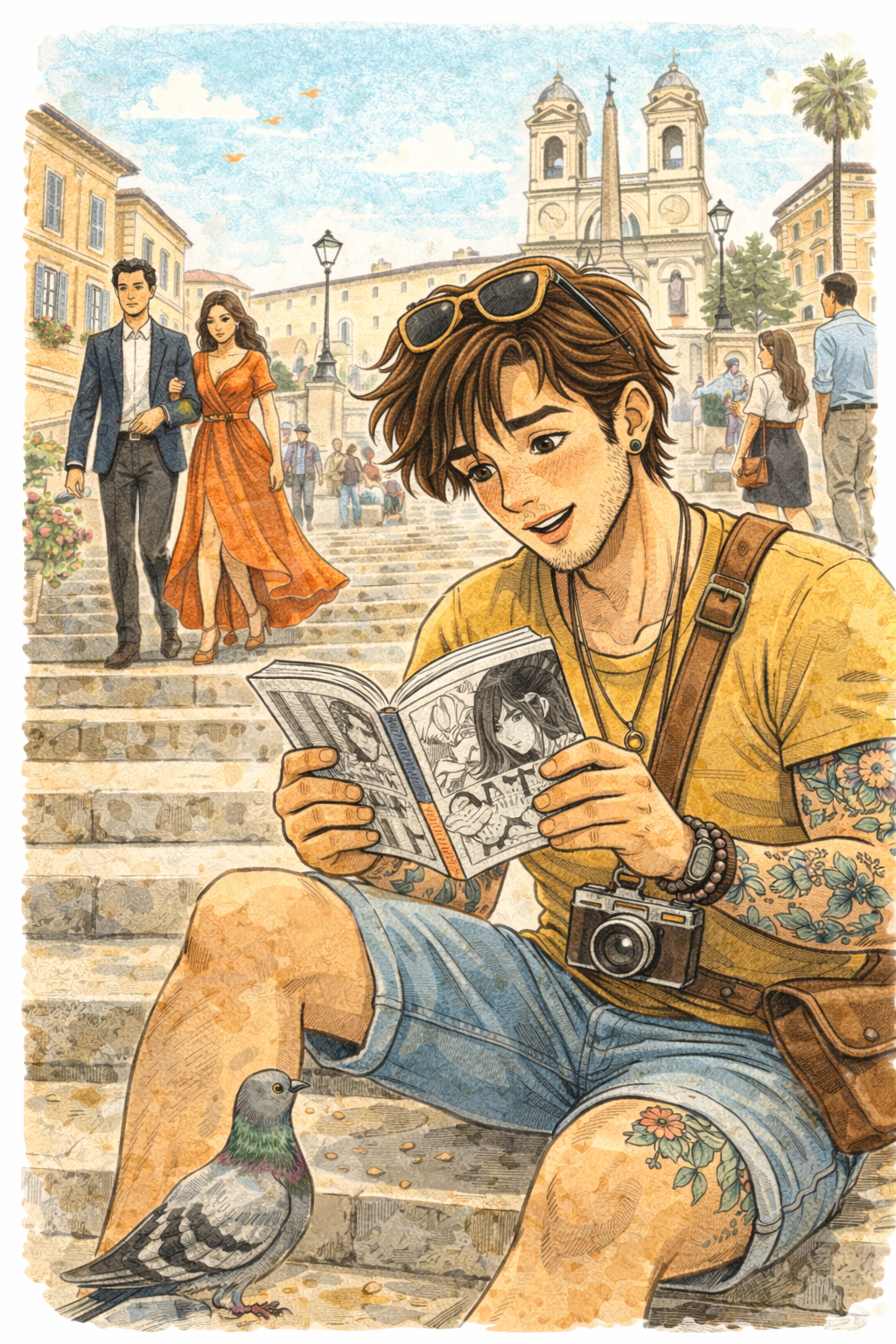
A boy reads manga on the Spanish Steps in Rome while a chic couple walks by him

Why Europe Is Perfect For Slower, More Meaningful Travel

Europe, especially, seems built for this style of wandering. History isn’t tucked neatly into museums — it’s layered into everyday life. You’ll pass a 400-year-old church on the way to buy toothpaste. People live above Roman ruins. Markets pop up in medieval squares like it’s the most normal thing in the world.

It’s the kind of place where you can spend the morning learning a traditional craft in a tiny Italian village, the afternoon biking along a canal in Amsterdam and the evening listening to local musicians in a candlelit bar in Prague, wondering how the day unfolded so perfectly when you barely planned it at all.

That’s also the philosophy behind Phil Hoffmann Travel, which focuses less on rushing travelers through a greatest-hits tour and more on helping them connect with places in ways that feel personal and authentic. Because the best trips aren’t the ones where you check every box. They’re the ones where you come home with stories you couldn’t have scheduled even if you tried.

A young man points to a fig leaf covering a nude statue at the Vatican Museum in Rome

The Stories You’ll Actually Tell

Here’s a quick test: Years from now, what are you more likely to talk about — the exact angle of the photo you took in front of a famous monument, or the time you got caught in a sudden rainstorm in Prague and ended up hiding in a tiny bar with three locals and a very questionable playlist?

Exactly. The second one wins every time. Because it’s yours.

The moments that surprise us are the ones that stick. And they’re usually waiting just off the main street, a little past the crowd, if we slow down enough to notice.

A young man with tattoo sleeves dances at a nightclub

So the next time you’re planning a trip, try asking a different question. Not “What should I see?” but “What might I discover?”

It sounds small, but it changes everything. You stop looking at places through your phone. And start actually being there. –Charlie Smith

Essential Tips for Planning Your First Road Trip

Heading out on your first road trip? From choosing a route to budgeting, packing and accommodation, here’s how to plan a smooth, unforgettable adventure without the stress.

A young woman driving a car holds an iced coffee while her friend leans out the window, singing a song as they pass Dino Putt, a mini golf course

Taking your first road trip is one of life’s defining little milestones — right up there with your first kiss, your first proper night out and your 18th birthday.

Imagine hitting the open road to find the meaning of life. Singing at the top of your voice to your favorite playlist. Stopping at random roadside towns you never knew existed. It sounds dreamy because it is.

Whether you’re going out of state or across the country, your first road trip will give you stories you’ll tell for years. But for all the romanticism, preparing for it can feel overwhelming. There’s a lot to organize — transport, logistics, packing, accommodation and more — and being prepared makes all the difference.

Below are the most important road trip planning tips for first-timers.

Why Planning Matters for Your First Road Trip

Road trips in the classic Jack Kerouac sense were all impulse and adventure: Jump in the car, full tank of gas, a vague compass direction and nothing but vibes.

These days, most of us prefer to plan at least the basics. It might feel less rebellious, but the practical payoff is huge. Life on the road can throw curveballs: flat tires in the middle of nowhere, long detours, closed diners, no vacancies as the sun goes down, or entire stretches without fuel.

Trust us — the moment you’re stuck on a remote dirt road without reception or accommodation, you’ll be grateful you thought ahead.

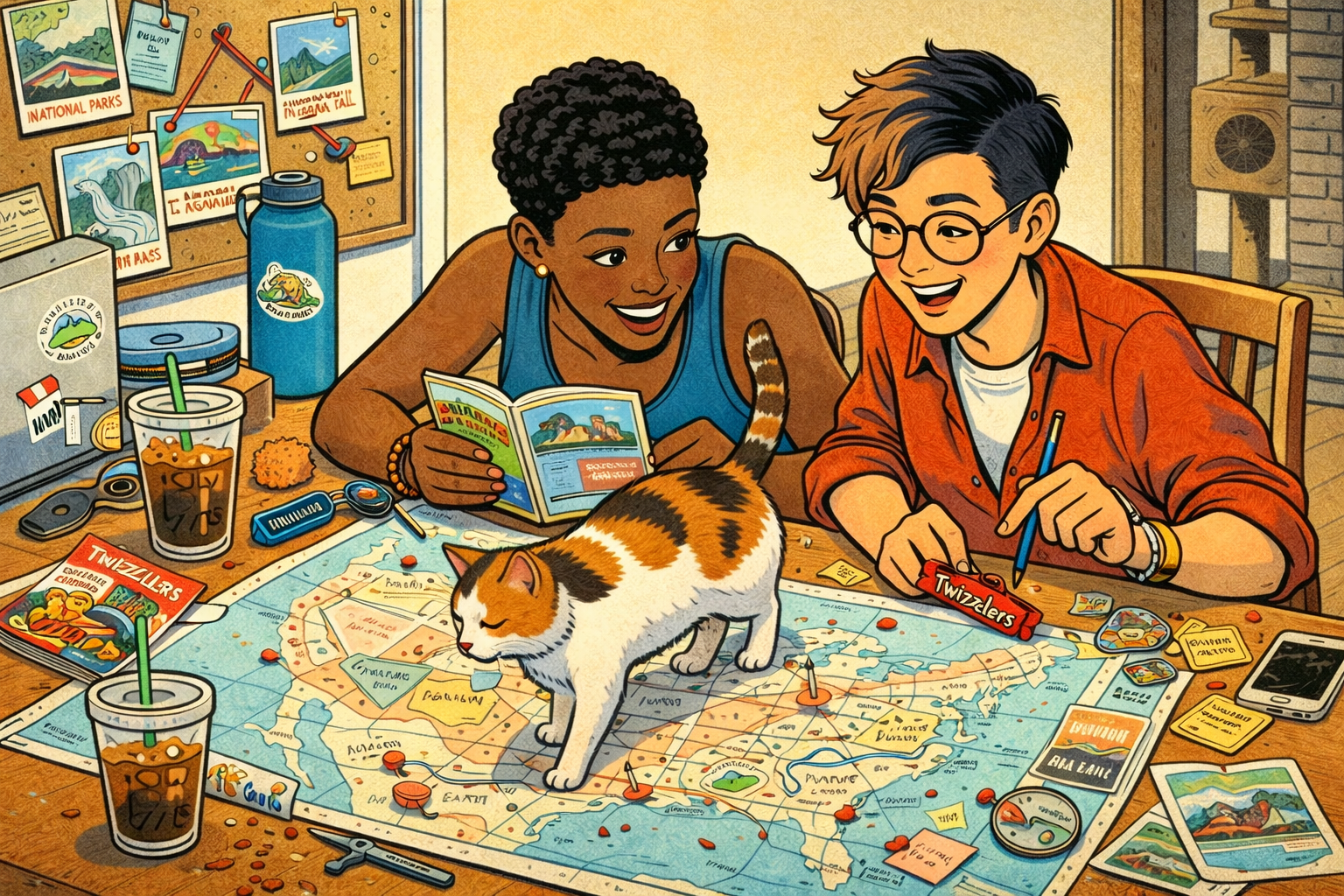
A lesbian couple plan a road trip with a map of the United States, which their cat walks over, with a corkboard and table covered with postcards, candy, iced coffees and other items

How to Plan Your First Road Trip (Without Overplanning)

The goal isn’t to script every moment; it’s to cover the big things so the small surprises stay fun rather than stressful. Knowing where you’re headed, what you’re driving and what you’re packing will give you the confidence to roam.

1. Choose your route and your turnaround point. 

Start by deciding where you’re actually going. Pick the main destination or the point where you’ll turn around to head home, then mark the interesting places you could visit along the way.

Time will shape everything, so map out how long you have. Turn that into a loose schedule and — importantly — leave room for spontaneous detours. The best stories often come from the unplanned stops.

When mapping, look at driving times rather than distances. A short stretch of road may still take hours due to speed limits, winding mountain passes or road conditions. Apps like Google Maps or Waze can help, and it’s smart to download offline maps for areas with spotty reception.

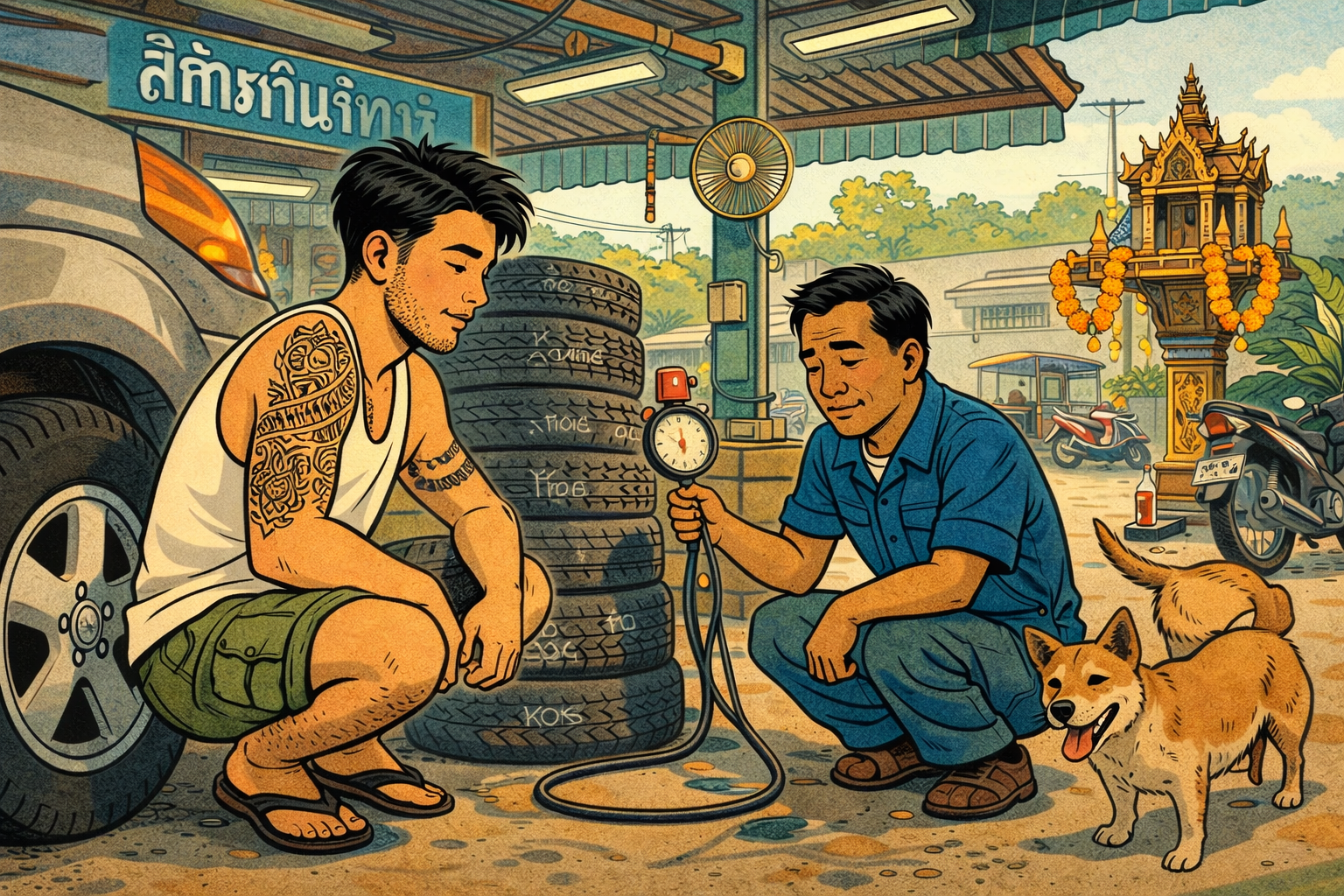
A young man with tattoos squats down by a mechanic in Thailand, inspecting tire pressure, with dogs and a spirit house nearby

2. Make sure your vehicle is ready to go.

No vehicle, no road trip — so make sure you trust the one you’re taking.

If you own a car, get it serviced by a qualified mechanic before you go. Fresh tires, working brakes and topped-up fluids go a long way to prevent drama on the highway.

If you want to rent, companies like Hertz, Budget, Avis and Europcar offer long-term rentals in airports, cities and select hotels. Compare prices and car types based on where you’re going — a coastal highway is very different from a dusty outback or desert stretch.

If you’re considering buying a car that can handle the trip, you may need finance to make it happen. There are lenders online who can help even if your credit isn’t perfect. For example, companies like Azora can help you find out how to get a car loan with bad credit.

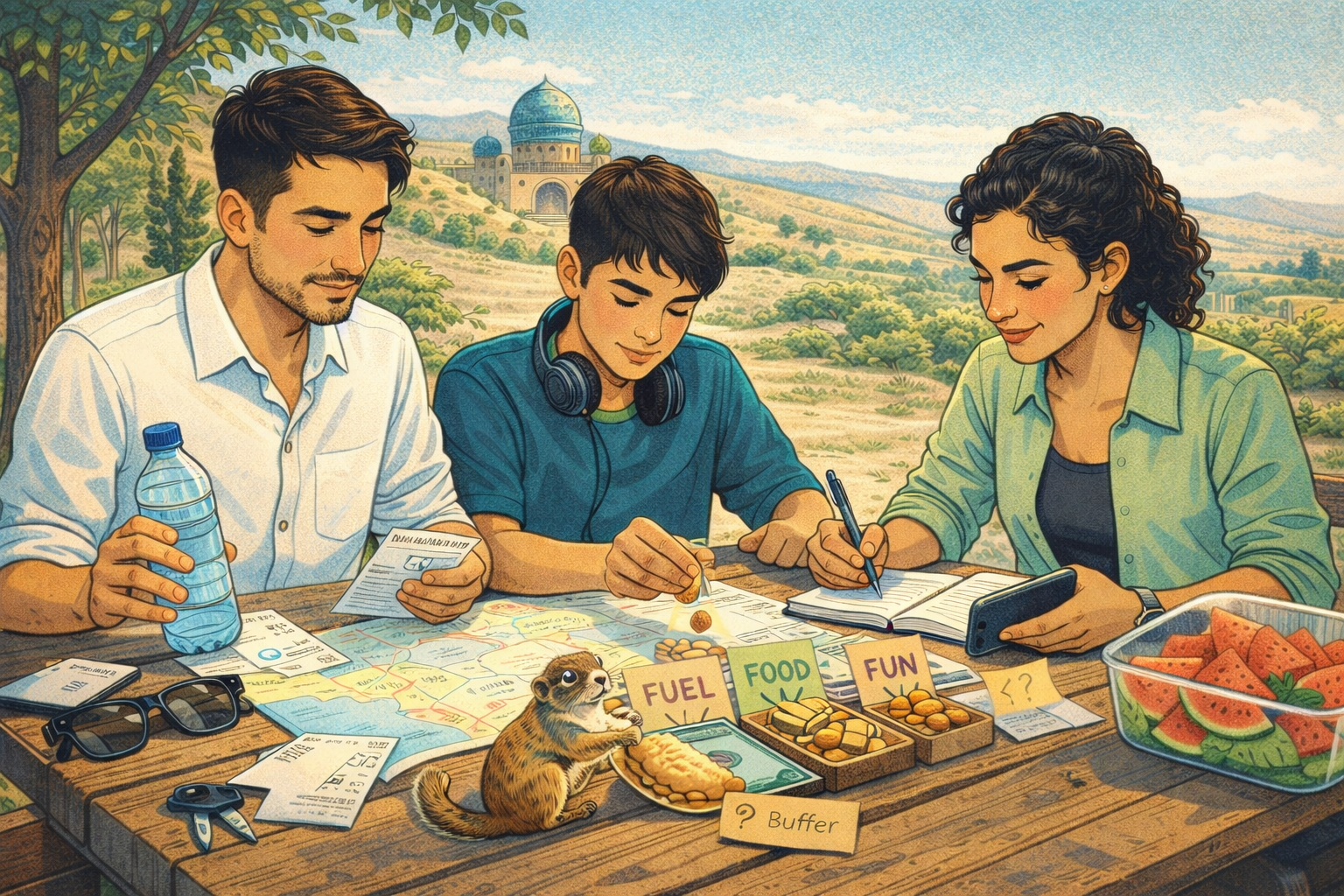
A family sits at a picnic table in Uzbekistan, budgeting for a roadtrip, with watermelon slices and a souslik

3. Budget for fuel, food, fun — and surprises. 

Road trips can be budget-friendly or full-luxury holidays — totally up to you. What matters is that you know roughly what you’ll spend.

Create a simple budget for fuel, accommodation, food and activities. Keep it realistic so you’re not forced to skip out on the fun stuff. And always add a small buffer for contingencies — unexpected tolls, repairs, snacks or a last-minute night somewhere nicer than planned.

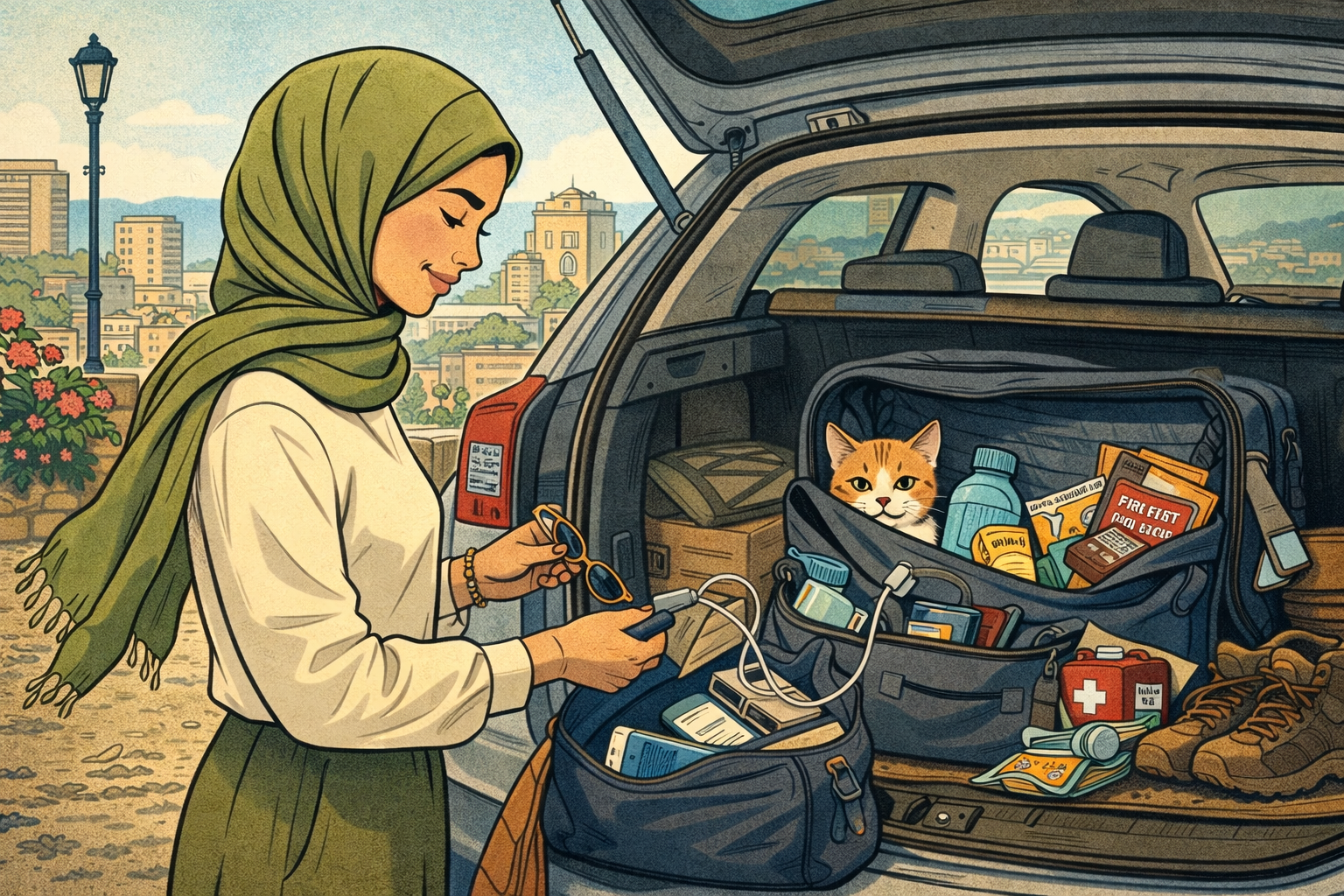
A woman in a headscarf in Lebanon packs her trunk full of items for a roadtrip, including first aid kit, chargers, boots, and a bag that her cat has snuck into

4. Pack smart and bring road trip essentials. 

Packing is all about balance. You don’t want to overpack, but you also don’t want to be six hours from home wishing you had a sweater, sunglasses or real shoes.

Choose clothes you can layer and mix-and-match, plus proper walking or hiking shoes if you plan to explore on foot.

Useful road trip essentials include:

  • Water bottles

  • Snacks

  • Phone chargers

  • Power bank

  • Sunglasses

  • Sunscreen

  • Offline maps

  • First-aid kit

Three young women excitedly arrive at their glamping spot in Tulum, Mexico, carrying bags, drinks and a yoga mat, while a monkey sits on a branch above them

5. Research accommodation options along your route. 

Knowing roughly where you’ll sleep each night removes a huge amount of road trip stress.

Research options across a mix of price points and styles: motels, caravan parks, glamping sites, campsites, Airbnbs and budget hotels. You don’t have to pre-book the entire route, but having a shortlist saved to your phone (plus contact details written in a notebook) gives you options if plans change or daylight runs out faster than expected. 

In the end, it’s you, the miles, and whatever magic you make of it. –Lucy Mitchell


3 Books That Reveal the Emotional Reality of Living Abroad

Instagram sells sunsets and spritzes. Literature sells the truth. These novels peel back the glossy veneer of expat life: the loneliness, identity shifts and new versions of ourselves.

Browse any expat-life hashtag and you’ll be greeted with the usual: sun-drenched piazzas, digital nomads perched at beach bars, and enviably plated foreign delicacies. What you rarely see is the silence of a Friday night in a place you don’t yet understand — or the bewildering moment when your sense of humor doesn’t translate.

Travel guides tell you where to eat; novels tell you what it feels like to stay. For anyone navigating life in a new country, books can be a form of quiet companionship — a reassurance that the “expat blues” aren’t a personal failing, but a very normal human response to being unmoored.

Many expats liken the first months abroad to early childhood: dependent, humbled and frequently misunderstood.

Below are three novels that resist romanticism and instead capture the emotional, cultural and existential complexities of living abroad.

1. The Namesake by Jhumpa Lahiri

The plot: Lahiri traces the Ganguli family from Calcutta to Cambridge, Massachusetts — from arranged marriage to second-generation childhood — chronicling Ashima’s attempts to build a life in icy New England and her son Gogol’s push-pull between Bengali family expectations and American identity.

The emotional reality: Cultural displacement

The Namesake articulates the ache of displacement — not the dramatic kind, but the mundane, lingering kind that creeps into grocery lists and breakfast rituals. Ashima’s loneliness is found in Rice Krispies and peanuts that approximate a snack from home.

For expats, the book affirms what rarely makes it into Instagram captions: that living abroad often splits a life in two — who you were at home versus who you must become to survive.


Tip: Now and then, take a break from the heavy stuff.

Acculturation isn’t always light reading. Sometimes you just need pure escapism: a mafia love story, twisty thriller, or whatever helps you forget visa appointments and tax forms for an hour. Digital platforms make it easy to read novels online and keep entertainment at arm’s reach, wherever you land.

2. Americanah by Chimamanda Ngozi Adichie

The plot: Ifemelu and Obinze leave a military-controlled Nigeria in pursuit of opportunities abroad. In the U.S., Ifemelu thrives academically while confronting race in a way she never had to at home. Obinze navigates the precarious underbelly of life in London.

The emotional reality: Race, identity and reassignment 

Where travel writing typically delights in discovery, Americanah examines the shock of racial and social recoding. Adichie renders the exhaustion of learning a new country’s unspoken rules regarding class, language, etiquette, race.

It’s a powerful depiction of what could be called the “expat syndrome”: being a permanent outsider in the country you’ve moved to, yet no longer fully belonging to the country you left.


Tip: Find some freebies.

Apps like FictionMe put an entire library in your pocket at no cost.

3. Brick Lane by Monica Ali

The plot: Nazneen leaves Bangladesh for an arranged marriage in London’s Tower Hamlets. Confined to a small flat, isolated by language, and observing the world through net curtains, her life unfolds at the unsettling intersection of duty, culture and desire.

The emotional reality: Language as barrier and cage

Ali captures the claustrophobia of linguistic exclusion — when you possess a vivid interior world yet lack the vocabulary to make it legible to others. Many expats liken the first months abroad to early childhood: dependent, humbled and frequently misunderstood.

Brick Lane argues that literature’s real power lies in helping immigrants and expats name the parts of the experience that feel otherwise unsayable.

Why Literature Matters When You’re Far From Home

Relocating abroad is not merely a logistical endeavor — it rearranges you at a molecular level. Travel guides help you navigate new streets; novels help you navigate new selves.

Finding stories that mirror your experience — whether through online platforms or a well-loved local bookshop — is a form of self-preservation. It’s the reminder that confusion, loneliness and otherness aren’t evidence of failure but essential parts of transformation.

On the loneliest nights in the most dazzling cities, books insist on the one thing expat life often withholds: that you are not alone. –Layla Young


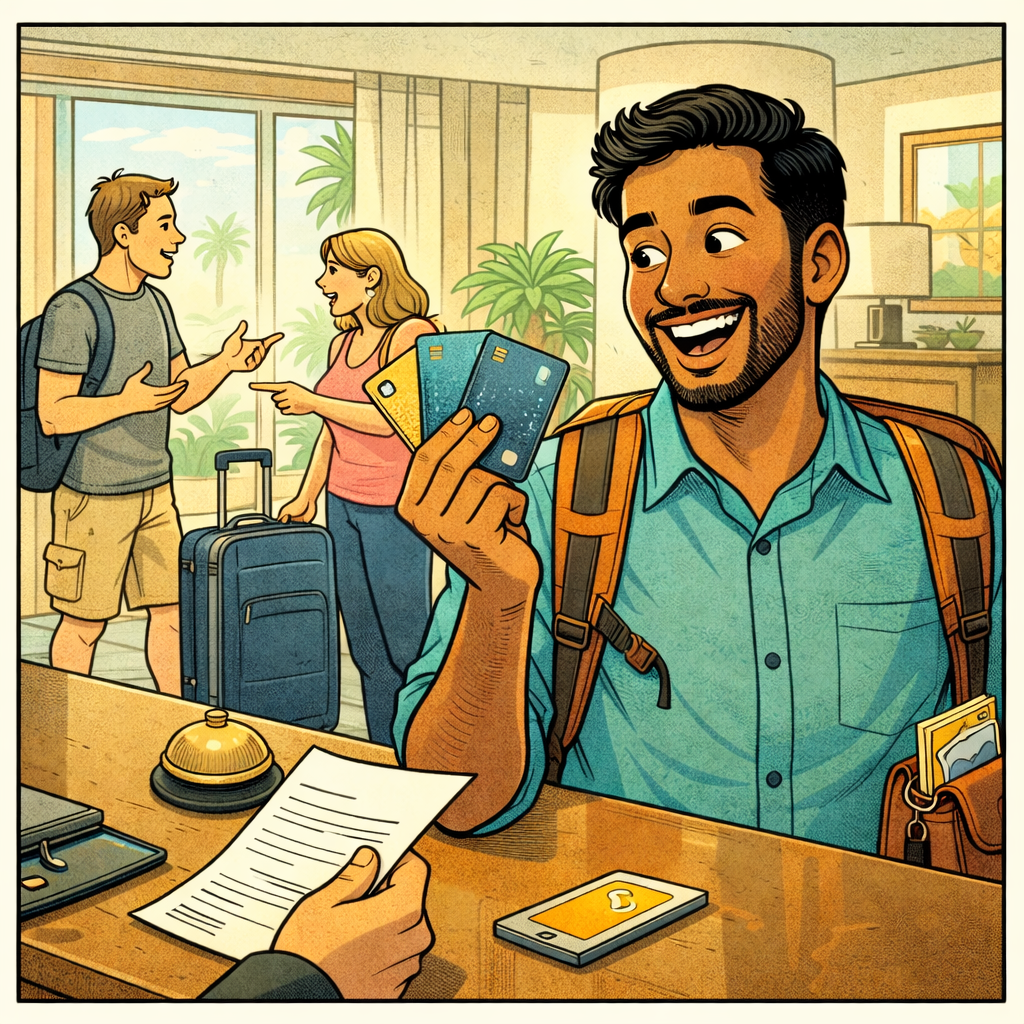
Confident Card Management for Travelers Navigating International Expenses

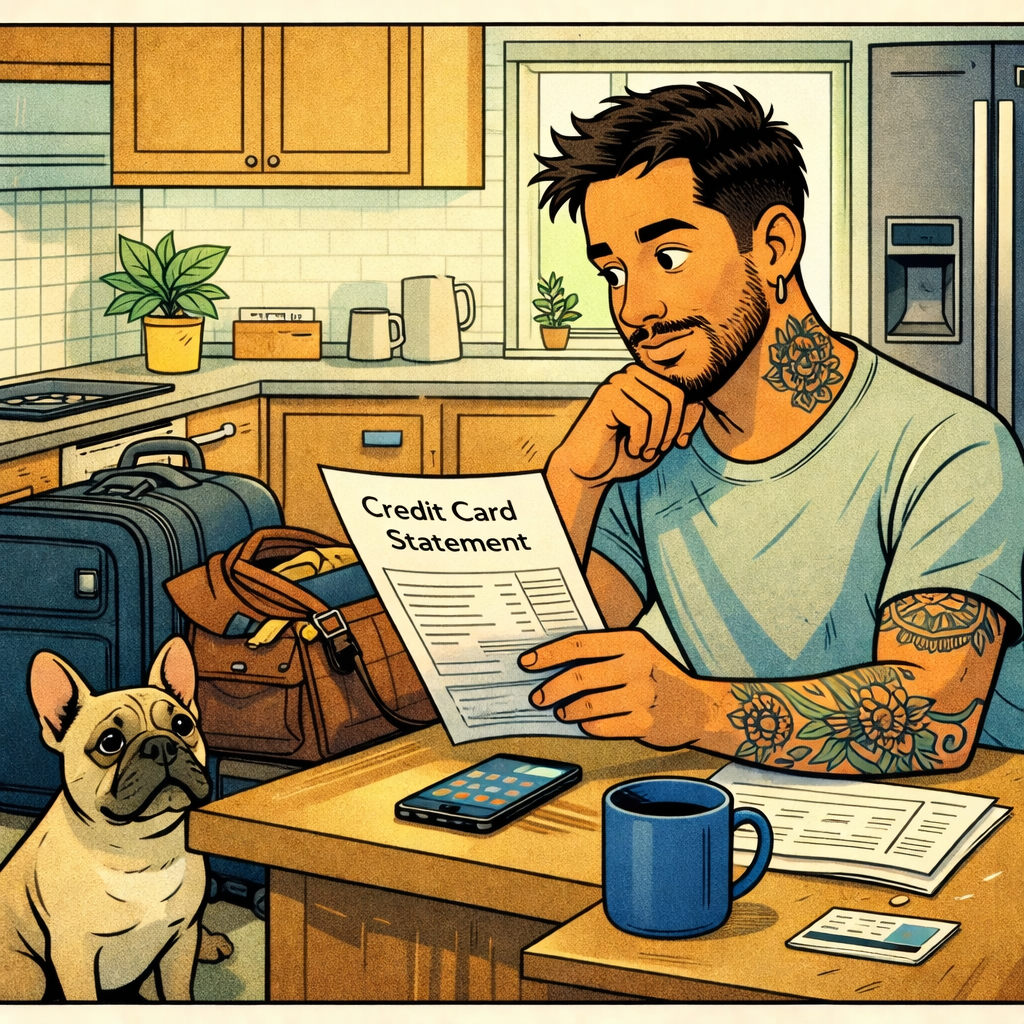
Travel teaches you many things. How fragile your credit limit is abroad tends to be one of the faster lessons. Here’s what credit card management actually means when you’re traveling.

Credit card management sounds like something you do once a year with a spreadsheet and good intentions. In reality, it’s the ongoing practice of keeping your cards — credit, debit, prepaid — usable, visible and dependable when money is moving in unfamiliar systems.

At home, poor card management is inconvenient. On the road, it’s disruptive.

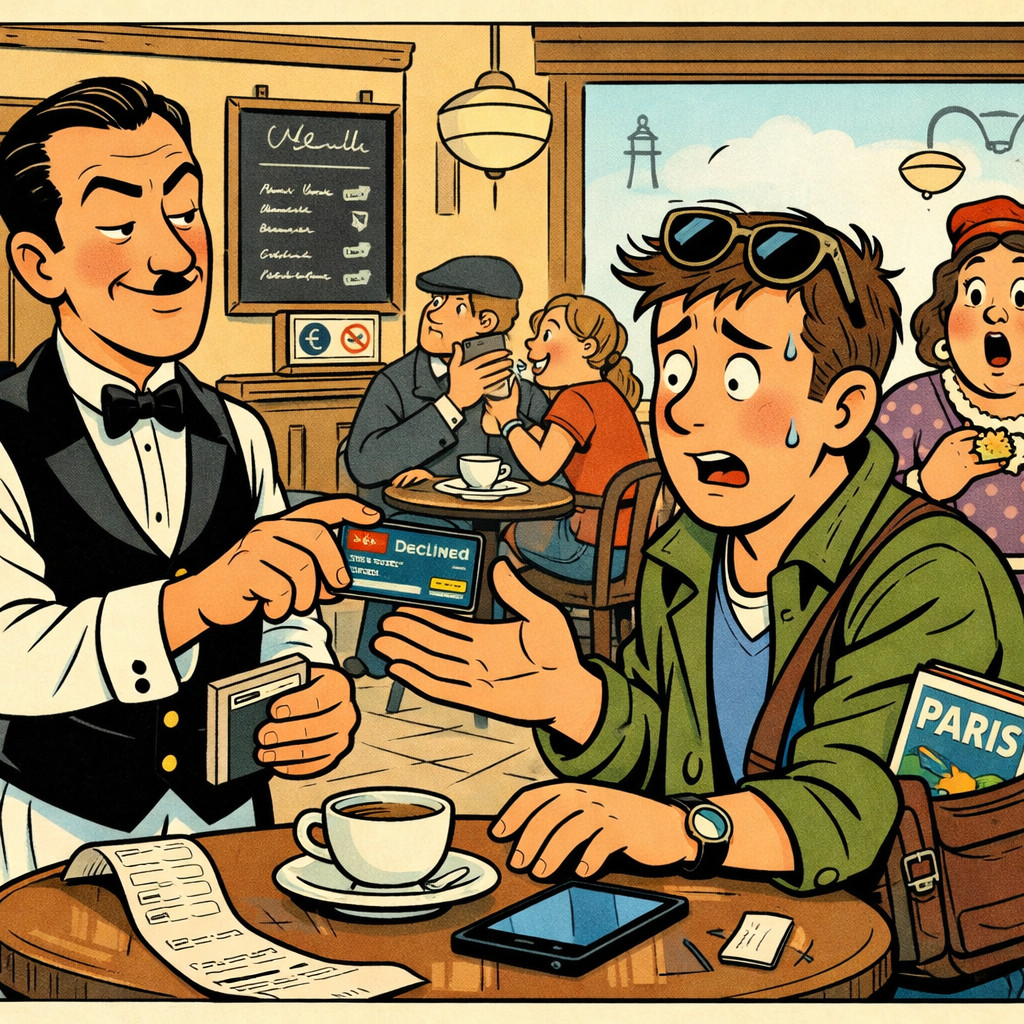
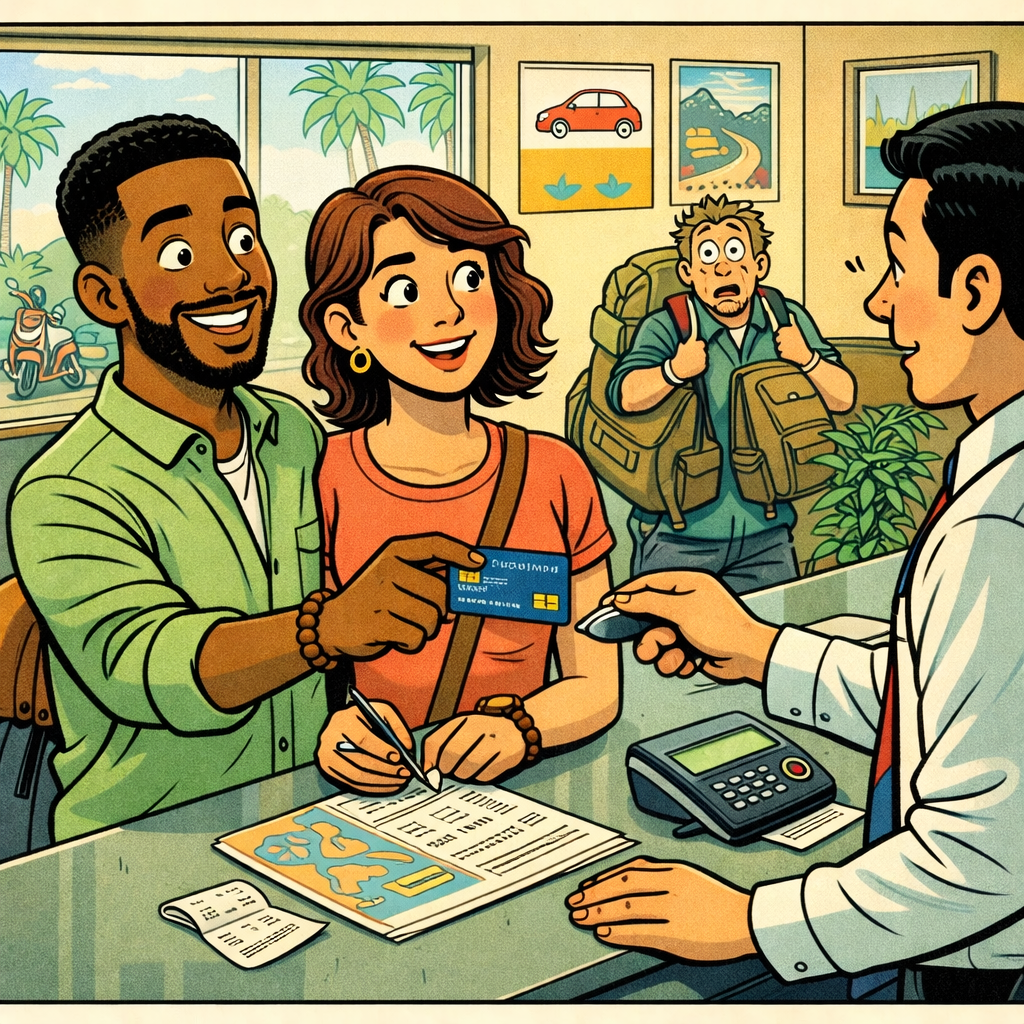
Because when your card fails abroad, it rarely fails quietly. It fails in front of a hotel desk, a rental counter, or a waiter who has already brought the check and is now waiting.

When your card fails abroad, it rarely fails quietly. It fails in front of a hotel desk, a rental counter, or a waiter who has already brought the check and is now waiting.

Credit Crunch Moments Abroad

It usually starts with a hotel.

You’ve paid in advance. You’ve checked in. Everything seems fine — until you realize the property has placed a pre-authorization that quietly eats a chunk of your available credit. Then the rental car does the same. Then a restaurant charge posts as pending. Then currency conversion nudges a number just far enough to matter.

None of this is unusual. Almost none of it is explained.

Suddenly, your “plenty of room” credit limit is very much in play.

This is why card management matters more once you cross a border: International travel compresses time, money and margin for error. Charges stack faster. Holds linger longer. And the systems deciding what’s “normal” behavior are no longer familiar.

The Invisible Mechanics Draining Your Available Credit

Travelers often assume their balance tells the whole story. It doesn’t.

What affects your usable credit abroad includes:

  • Pre-authorizations that remain pending for days

  • Currency fluctuations that change final settled amounts

  • Merchant batching delays that make charges appear late

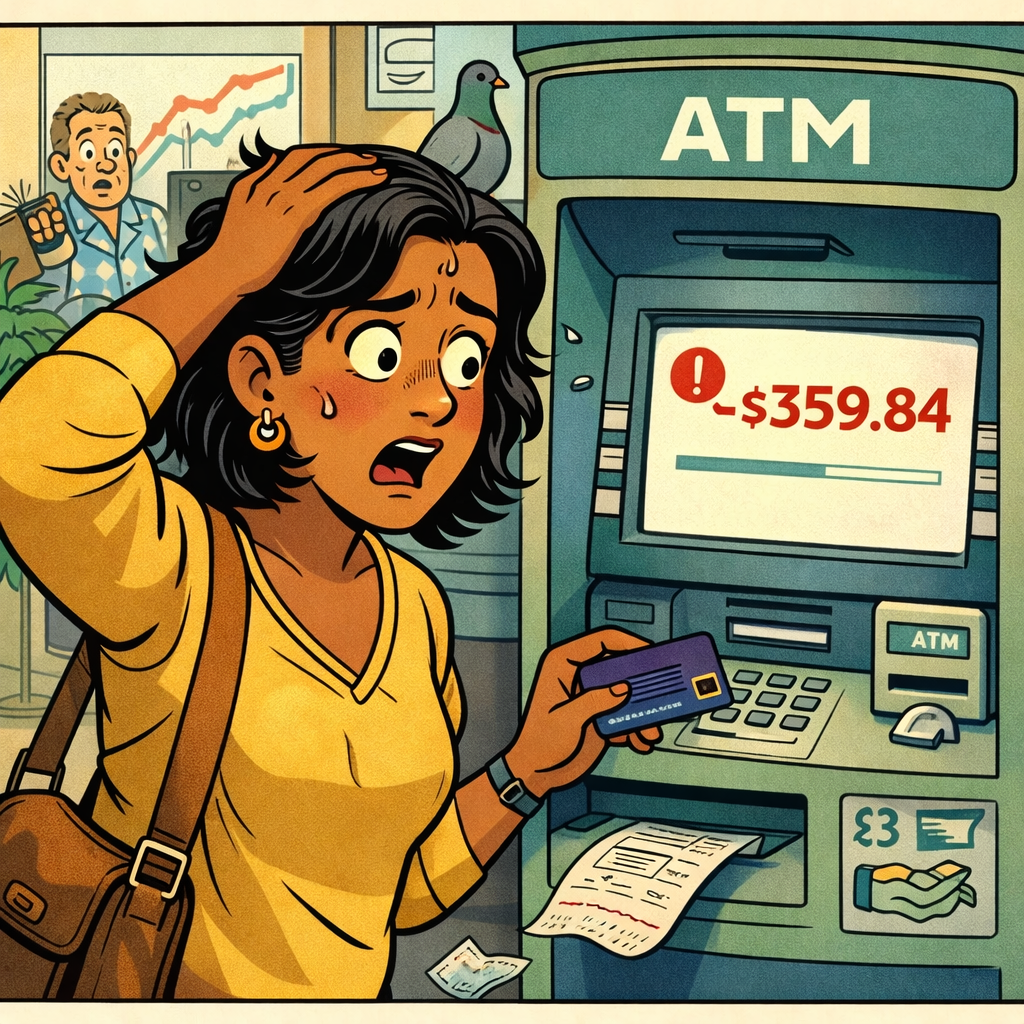
  • ATM and foreign transaction fees that post separately

Individually, these are minor. Together, they quietly reduce flexibility — especially if you’re relying on one card or traveling close to your limit.

What many people don’t realize: You can “have money” — and still be unable to use it.

When Things Go Sideways

Then there are the moments that actually raise your pulse.

  • A card freeze triggered by foreign spending patterns

  • A declined transaction for something essential

  • A banking app that won’t load because you’re on hotel Wi-Fi in a stone building from 1742

In these moments, card management stops being theoretical. It becomes logistical triage.

The travelers who stay calm aren’t luckier. They’re prepared.

Credit Confidence Starts Before the Airport

Good card management is front-loaded.

Before traveling internationally, experienced travelers:

  • Check available credit, not just balances

  • Review limits and upcoming payments

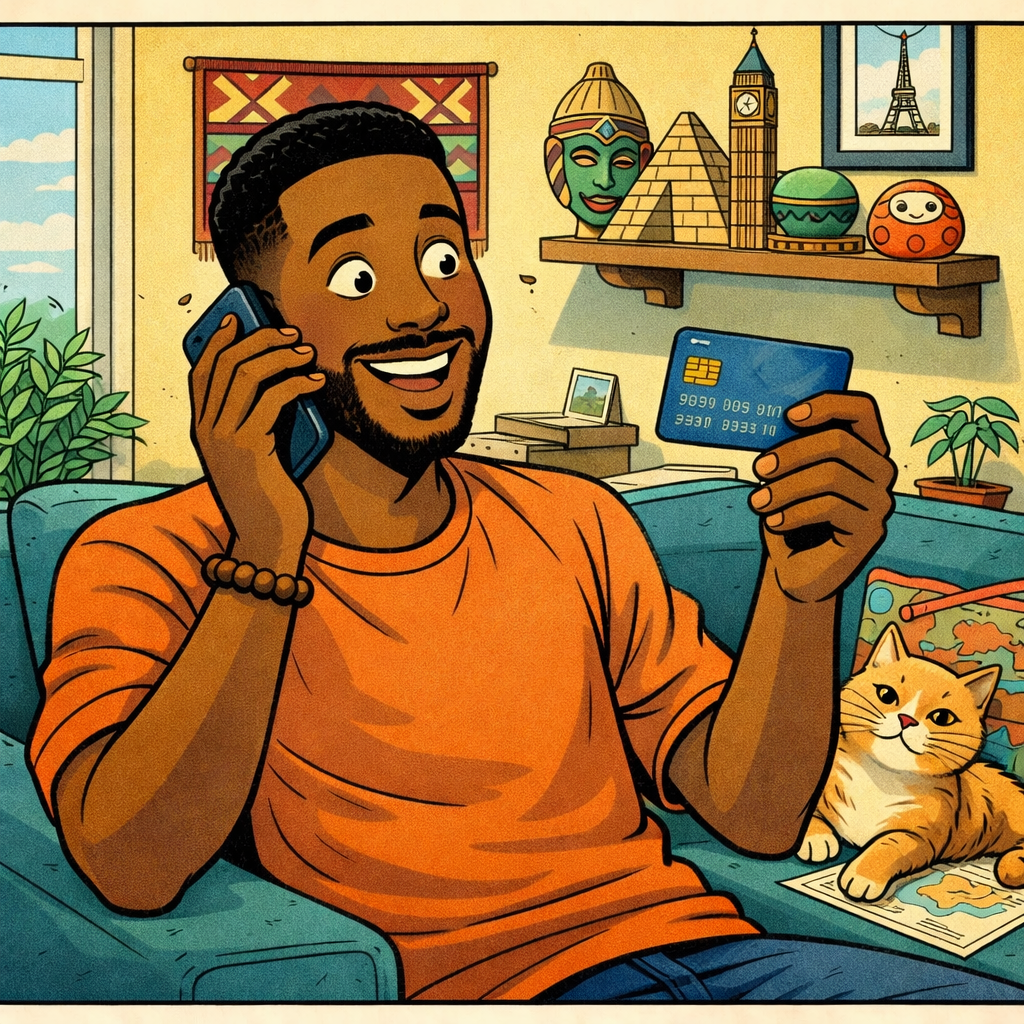
  • Notify banks of travel plans (yes, it still helps)

  • Pack at least one backup card on a different network

This isn’t paranoia. It’s redundancy — the same principle that makes travel adapters and offline maps a good idea.

After the Trip, the Work Isn’t Over

What happens after you return matters just as much.

Foreign charges can post days later. Holds don’t always release immediately. Fees sometimes appear after you’ve mentally closed the trip.

Strong post-travel credit card management means:

  • Paying balances promptly

  • Paying more than the minimum when possible

  • Reviewing statements for delayed or duplicate charges

  • Letting your credit recover quickly from temporary usage spikes

This is how one trip doesn’t quietly echo into your financial life for months.

The Tools That Actually Earn Space on Your Phone

This is where modern card management gets easier.

Mobile banking apps give travelers real-time visibility into balances, pending transactions and available credit — which is far more useful than checking statements after the fact.

Spending alerts, instant card freezes and secure authentication features reduce risk when something feels off.

Budgeting and currency-conversion tools add another layer of clarity, especially when you’re moving between countries with different pricing norms.

And digital wallets — Apple Pay, Google Pay — aren’t just convenient. They reduce physical card exposure and often process more smoothly abroad than plastic alone.

Why Seasoned Travelers Never Carry Just One Card

Payment infrastructure varies wildly by country. When it comes to international travel:

Some places expect chip and PIN.
Others default to contactless with low transaction caps.
Some terminals reject cards for reasons no one can explain.

Multiple cards mean:

  • A fallback if one is declined or frozen

  • Compatibility across networks and verification systems

  • The ability to spread spending and manage utilization

The insight here is subtle but important: Card management is about making sure you have options.

Credit Confidence on the Go

International travel will always involve financial friction — holds, fees, delays and the occasional decline. The difference between stress and confidence is understanding how those systems behave and planning accordingly.

When travelers manage cards proactively, use tools that provide real-time awareness, and build in redundancy, money becomes a background system instead of a recurring problem.

And if that still feels like too much to navigate alone, a trusted financial professional can help create a strategy that supports both travel habits and long-term credit health.

Because the best travel memories come from what you saw, ate and wandered into — not from the moment your card didn’t work and everyone was watching. –Mashum Mollah


Mashum Mollah is the founder and CEO of Blog Management. He also runs the site Blogstellar.

The Ultimate Winter Packing List for Travelers Who Hate Being Cold

A smarter way to stay comfortable in freezing temperatures with the right layers, accessories and footwear. Because toughing it out is overrated.

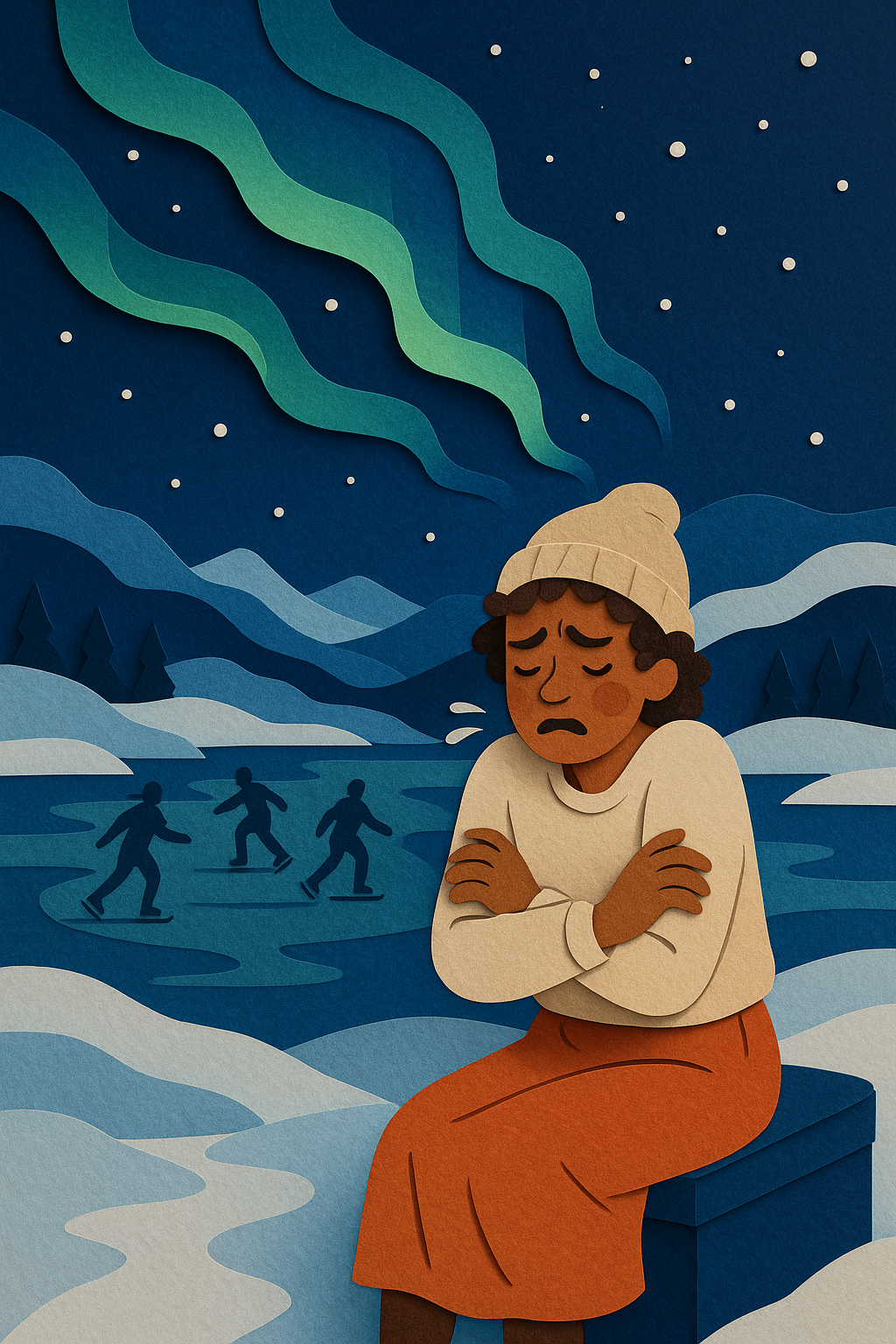
A young person is uncomfortably cold because they didn't pack right, sitting with arms around themselves as people skate in the background under the Northern Lights

No one should have to fear the cold — not when a suitcase can become armor.

Let the winter lovers have their fun. Let them talk about “bracing air” while hopping in place, insisting they’re fine. Those of us wired for warmth know better. When it comes to winter wilderness travel, we don’t need bravado. We need a plan. Precision. The kind of packing that holds up from airport lounge to icy village street, long after the novelty of snow has worn thin.

Staying comfortable in winter isn’t about overpacking or clearing out the nearest outdoor megastore. There’s elegance in restraint — fabrics that trap heat instead of moisture, layers that adjust instead of suffocate, and socks that quietly determine whether the day continues or ends early. Forget fashion statements on snow-slick sidewalks. Prioritize safety. Let others gamble with numb toes. There’s a smarter way to travel when temperatures drop.

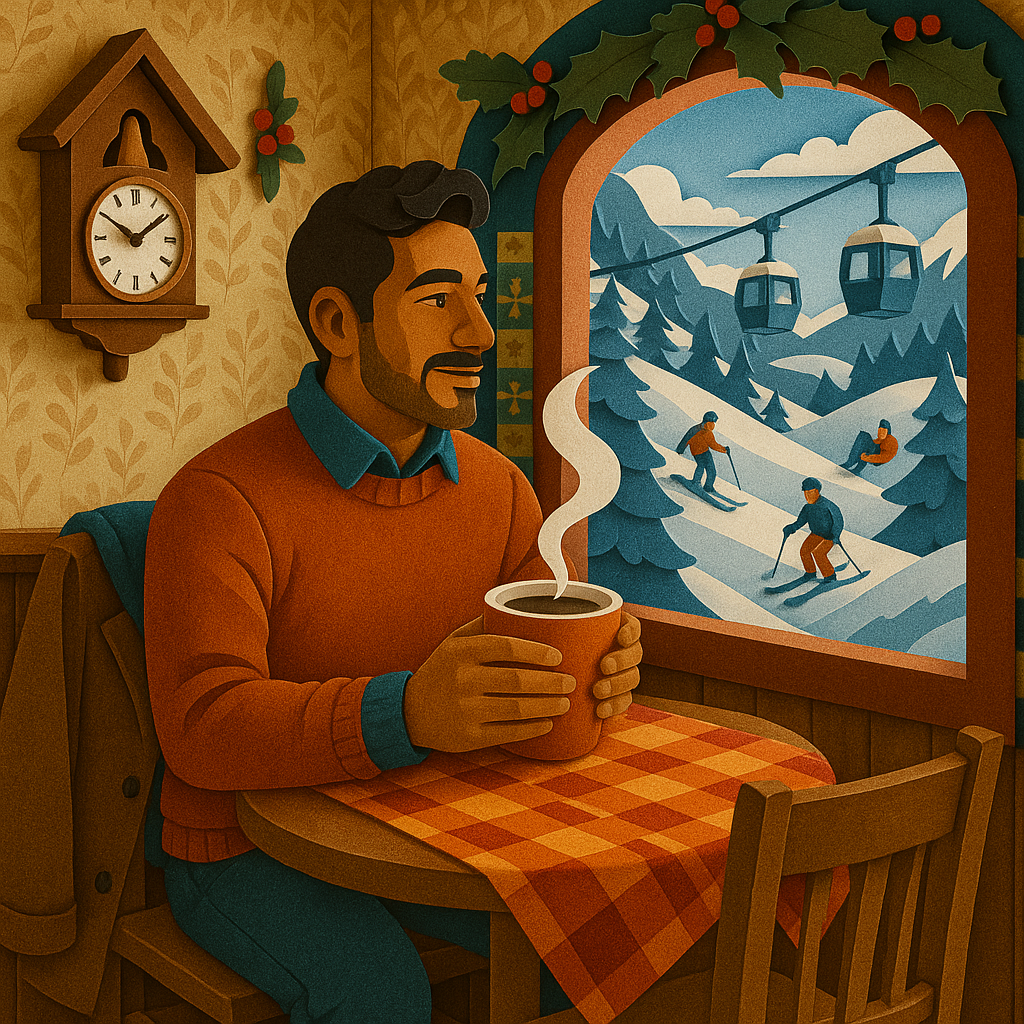
A bearded man sits in a cafe at Christmas, hands around a large steaming cup of hot chocolate, looking out the window at skiers and a gondola lift

Layering Without Regret

Forget the “one big jacket” fantasy. It has betrayed more travelers than delayed flights.

The people who never complain about the cold aren’t tougher. They’ve mastered packing for winter travel — and they know it’s all about layers. They start with a thermal base layer (merino wool or a solid synthetic blend), add insulation like fleece or down, and finish with a weatherproof shell. That’s it. Not glamorous. Extremely effective.

The beauty of layering is control. Planes and cafés insist on tropical heat while the streets outside feel personally hostile. Layers let you adapt without soaking your clothes in sweat, only to step back outside and freeze instantly. Thick sweaters seem comforting until they trap moisture and turn against you. Layers work with the body instead of fighting it.

Pack for flexibility. Winter weather never negotiates, but layers give you leverage.

A woman bundled up warmly in a coat, gloves and scarf, holds her tickets as she sits on her travel trunk in the snow as a train approaches the station

Accessories That Matter More Than You Think

Scarves aren’t decorative afterthoughts. They seal the gap your coat leaves behind.

Gloves aren’t just about warmth — they’re about function. Being able to unzip a bag, answer a text, or fumble for transit tickets without pain changes how long you’re willing to stay outside. 

Hats matter more than anyone wants to admit. Heat loss is real, and cold weather puts real strain on the body. The head is one of the first places it escapes.

And socks — this is where trips quietly succeed or unravel. Cotton gives up the moment it gets damp. Wool keeps going. Standing near slushy curbs or stepping into an icy puddle becomes survivable instead of catastrophic. Feet decide your mood, your stamina, and how far you’re willing to wander before calling it quits.

If these items need to live in an oversized tote, fine. Skip even one and the cold will find the weak spot. It always does.

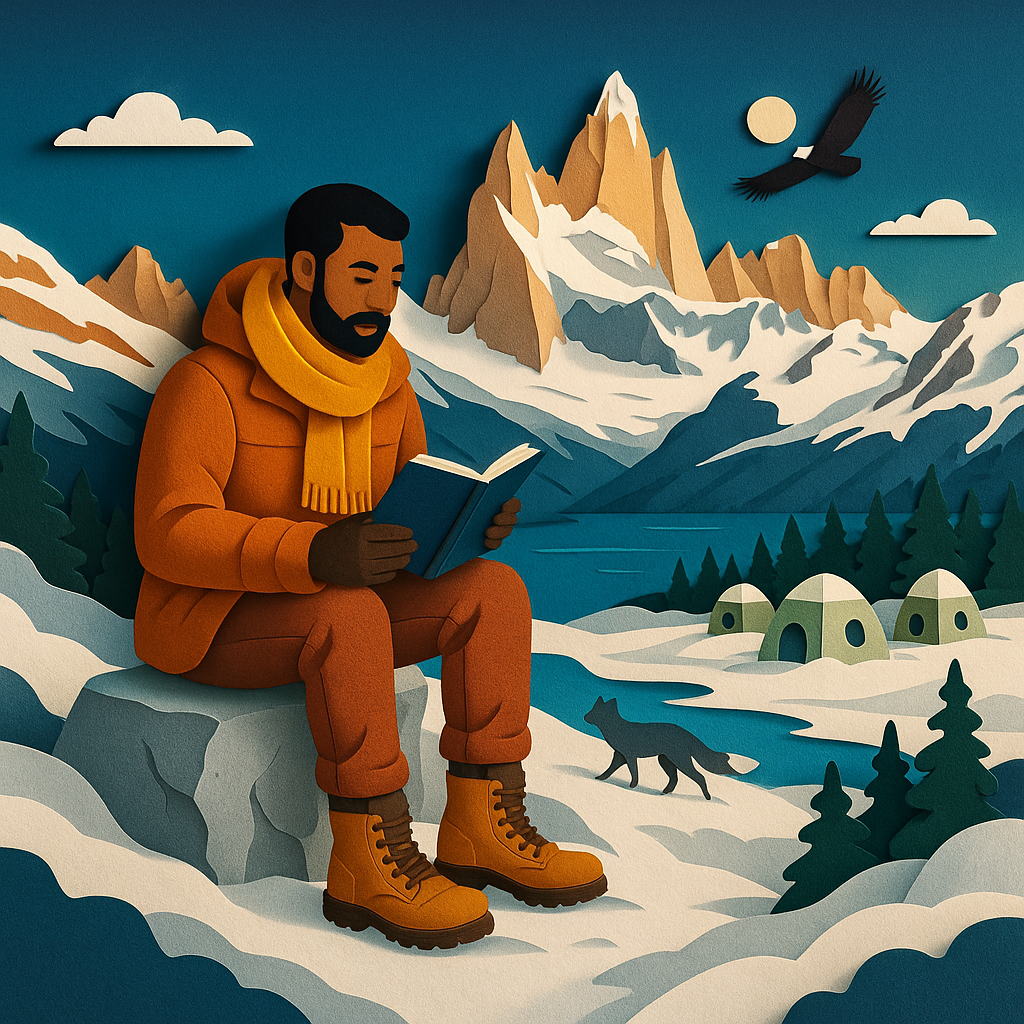
A man sits outside in the snow in Patagonia, reading a book, with a fox, mountains, eagle and tents in the distance

Footwear That Doesn’t Betray

Boots should do two things without debate: keep water out and keep toes unfrozen.

Anything less is a gamble. Cheap sneakers and “stylish” loafers surrender immediately to slush-filled sidewalks and salted streets turned skating rinks overnight. Waterproof leather holds the line. Insulated soles quietly save hours of sightseeing by keeping circulation intact while waiting for transit or wandering blocks too charming to avoid.

Wet socks don’t just ruin the moment — they end the day. Good boots extend it.

A couple in their pajamas snuggle in their hotel bed, with red wine, popcorn and other snacks, with the man holding a remote as they prepare to watch a movie

Don’t Underestimate Indoor Comfort

The streets may be cold, but indoor neglect is where rookie mistakes thrive.

Hotel rooms swing wildly between blast-furnace heat and icy drafts sneaking in through windows older than anyone present. After long days outside, slippers stop being indulgent and start feeling essential — especially when tile floors bite back at midnight while you hunt for a charger that’s migrated under the bed.

Pack pajamas warm enough for a ski chalet but decent enough for the unexpected. Hallway evacuations at 2 a.m. are rare, but winter has a way of producing stranger moments than planned.

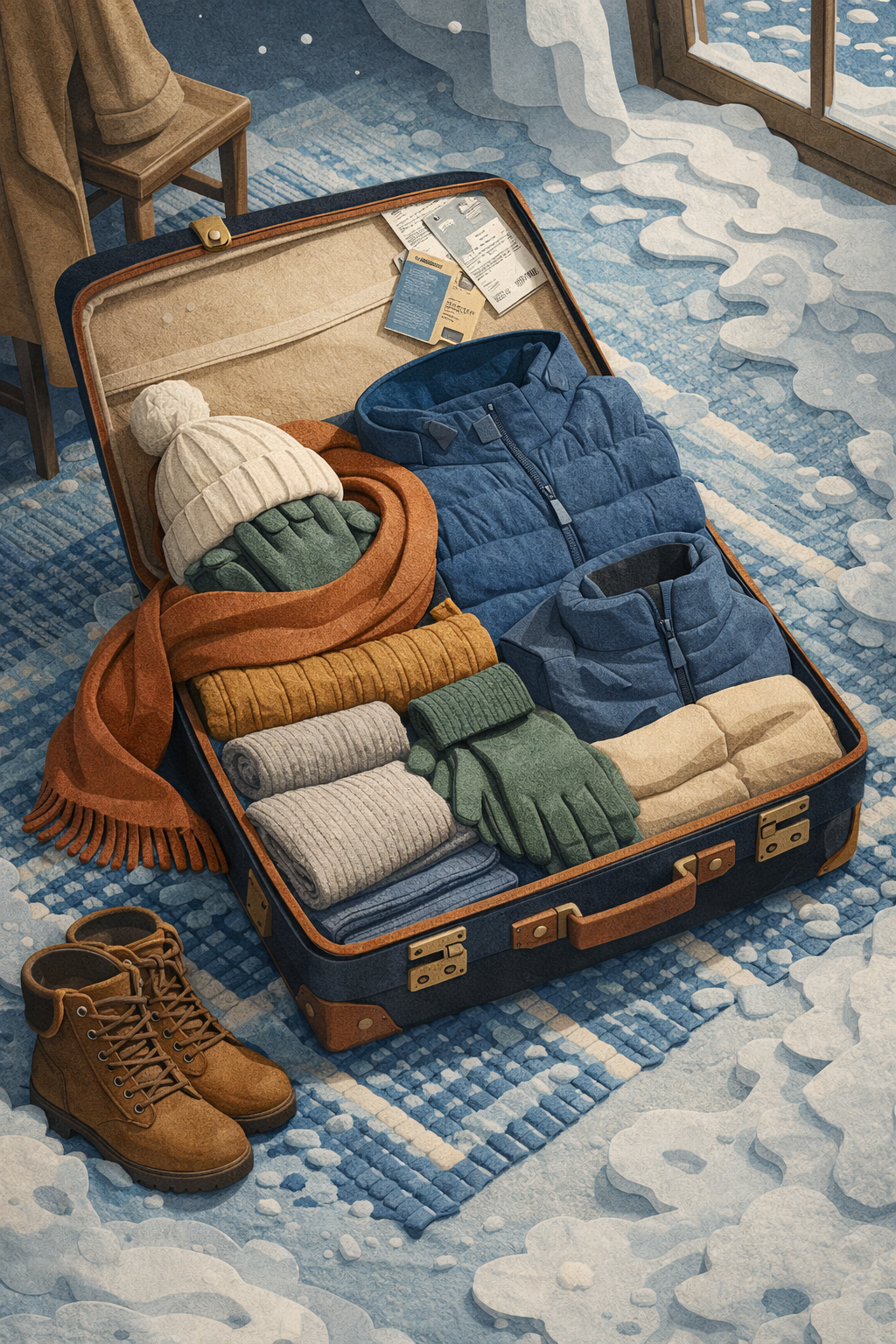
A suitcase is open with winter travel gear: knit cap, scarf, gloves, jackets and other layers, with boots nearby and snow that has gotten into the room

How to Travel Comfortably in Cold Weather

Whether the trip involves meetings downtown or sledding outside Reykjavík, the cold doesn’t change. It exposes weak links quickly, especially when travelers try to bluff their way through winter with optimism instead of preparation.

Packing lists built on denial unravel fast — usually by day three. Comfort comes from decisions made back home, when the sun is still warm on packing day and common sense has the floor. With smart layers, reliable accessories, trustworthy boots, and a few creature comforts tucked close, even those who loathe winter can move through it confidently — and maybe even enjoy it — wherever the cold leads next. –Lucy Roberts

MORE PACKING TIPS: Footwear, Clothing and More: What to Pack for Travel to South America

Microadventures for Well-Being: Simple Ways to Reset Your Mind Close to Home

You don’t need a plane ticket or a weekend getaway to feel better — microadventures offer a quick, affordable way to clear your head, spark a sense of novelty, and support emotional well-being right where you already are.

A man with arm tattoos and a bike stands in the twilight, holding out his hand amid a flurry of fireflies

Some days you wake up tired and somehow get more tired as the day goes on. You want a reset — something that makes the world feel a little bigger and your thoughts a little lighter — but you don’t have time, money or energy for anything elaborate. That’s exactly where microadventures help.

What is a microadventure?

A microadventure is a short, simple adventure that fits into everyday life — usually close to home, low-cost and easy to do. The term was popularized by adventurer Alastair Humphreys, who describes microadventures as small escapes that bring a sense of exploration and novelty without requiring time off, special gear or long-distance travel.

In practice, a microadventure might be a walk down an unfamiliar street, a bike ride at sunset, sitting somewhere new for 20 minutes or noticing your surroundings with fresh attention. You’re not disappearing for a weekend — you’re stepping just far enough out of your routine for your brain to reset.

That small dose of novelty is where the benefits start.

A tattooed man raises his hand to shield his eyes to look up at a balcony while stopping on a bike ride

Why Small Adventures Support Emotional Stability

A small dose of novelty is surprisingly powerful. When you take a different street, slow down your pace or notice something you’ve walked past a hundred times, your brain shifts out of autopilot. It stops replaying the same thoughts and starts paying attention again. Even the smallest change — new sounds, fresh air, unexpected color — gives your mind a moment of relief.

How to practice:

  • Choose an unfamiliar focal point: Find a balcony plant you’ve never noticed, a crooked tree, an oddly shaped roofline.

  • Move as if you’re seeing the route for the first time: Listen for distant traffic, feel the temperature, catch shifting shadows.

  • Pause after a minute: Note one detail that felt different and how it changed your internal mood, even slightly.

Or try this version:

  • Make one small shift: Change the lighting, switch your music or move to another room.

  • Notice what resonates: Is there a color, a rhythm, a quiet corner you didn’t realize felt calming?

  • Ask yourself: “What did I feel differently?” Let the answer be simple.

A man with tattoos on his arms sits on a park bench and looks down at his phone

How a Change of Scenery Reduces Stress

Context shifts can soften stress faster than most of us expect. You might leave your desk feeling overwhelmed, then step outside and instantly get hit with fresh air, new sounds and a sense that your thoughts aren’t stuck after all. When your surroundings change, your emotional reactions often follow — becoming gentler, slower, easier to navigate.

This is also a great moment to use a wellbeing app. A short check-in, breathing prompt or mood reflection while you shift spaces helps your mind register the reset. It makes the moment intentional and helps you track what actually calms you over time.

How to practice:

  • Move to a different location: This can be another room, a balcony or a bench outside.

  • Let your senses reorient: What’s warmer, cooler, louder, softer?

  • Open your well-being app: Complete a quick reflection or breath cue to anchor the shift.

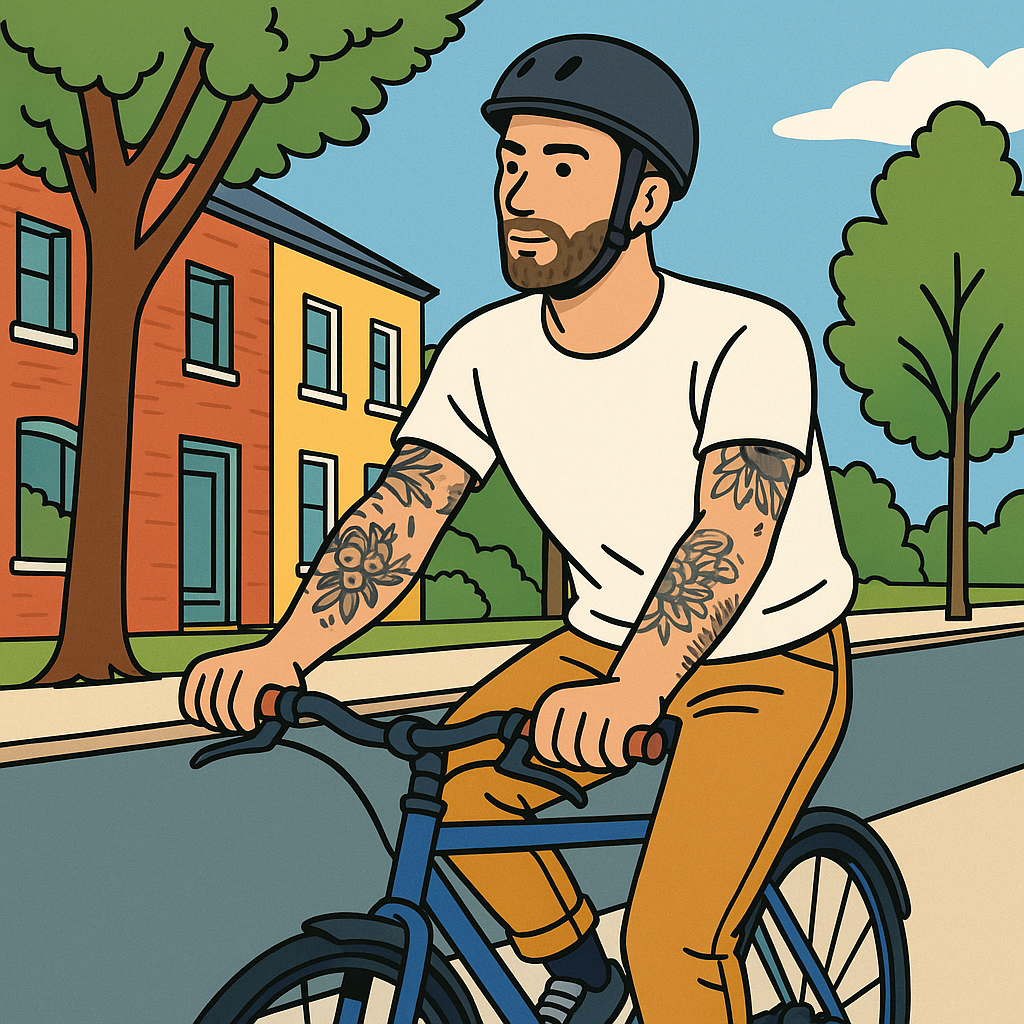
A man with tattoos on his arms rides his bike down a street wearing a helmet

Practical Tools for Microadventures

How to Plan a Microadventure Without Stress

You don’t need a complicated plan — but having a loose frame makes it easier to actually go. Microadventures work best when they feel effortless and accessible, especially on days when everything feels heavy or overfull.

How to practice:

  • Define your “adventure radius”: anywhere within a 10- to 20-minute walk

  • Choose your mode of movement: walk, bike, bus, car — whatever feels easy

  • Set a duration: 20 to 40 minutes or up to an hour

  • Bring only the essentials: water, a charged phone, comfortable clothes

A simple framework reduces resistance and makes it more likely you’ll keep doing it.

A man in an oatmeal sweater walks his bike through trees that have turned orange in the autumn

Seasonal Microadventures: Using the Environment

The world looks and feels different each season, even if you never leave your neighborhood. Winter offers sharp sounds and crisp air. Spring brings shifting scents and new greenery. Summer slows you down with heat and offers pockets of shade. Autumn wraps everything in wind, color and texture. Let the season guide you.

How to practice:

  • In winter: Tune into the sound of footsteps, wind and the cold on your face.

  • In spring: Notice changing scents and tiny signs of new growth.

  • In summer: Seek shade, water and quiet corners where the air moves.

  • In autumn: Watch the way leaves scrape across the sidewalk and how the light softens.

Each season helps you feel the movement of time — even on the same streets.

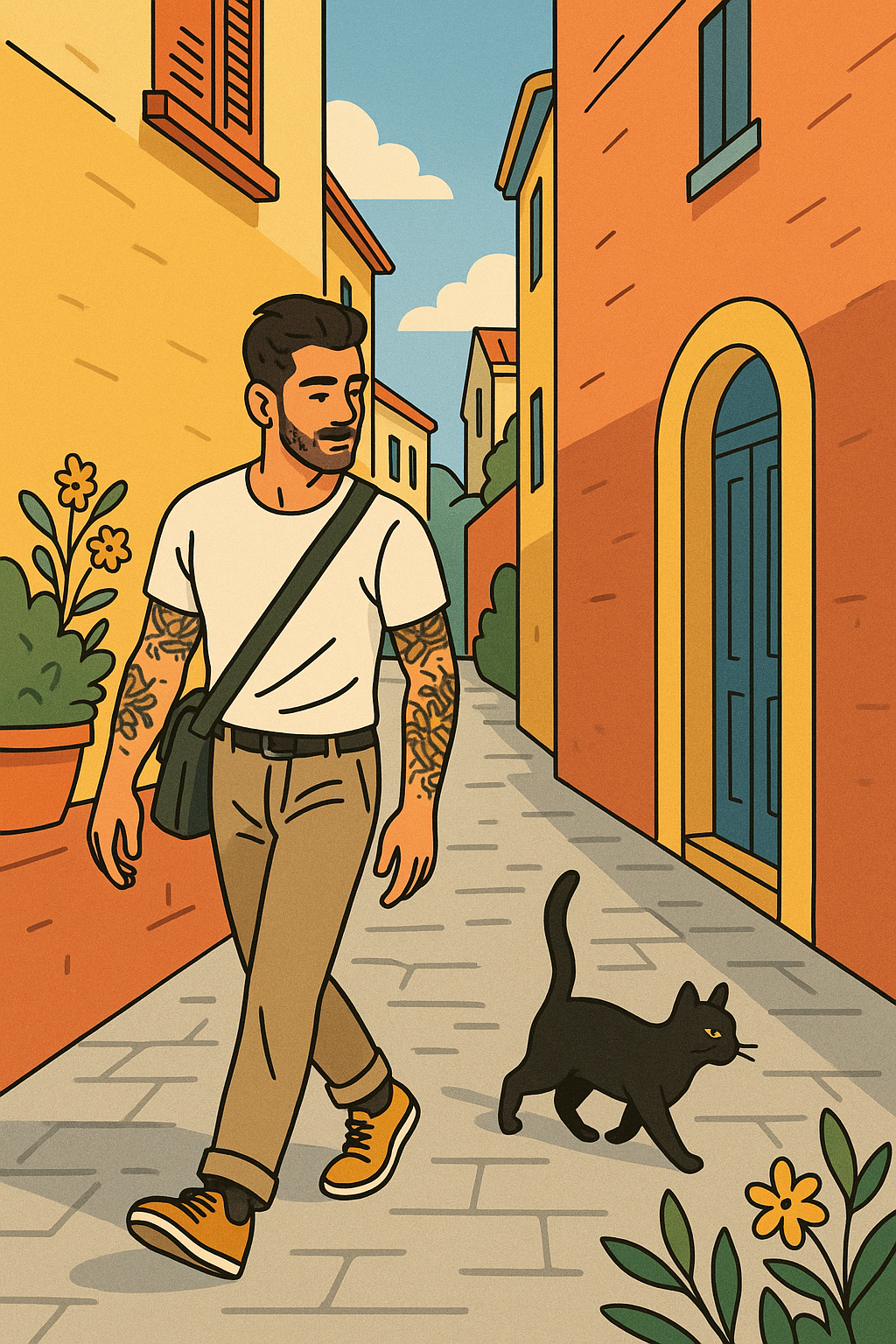
A man walks down a charming alley smiling down at a black cat

Microadventures for Decision Clarity

When your mind feels overloaded, moving your body often gives your thoughts room to settle. A slow walk helps reduce internal noise, making decisions feel less foggy. You’re not forcing an answer — you’re letting your brain loosen its grip and reorganize itself naturally.

How to practice:

  • Name one question or problem that’s draining your energy.

  • Walk slowly for 10 to 15 minutes without trying to solve it. Let your thoughts drift.

  • Notice afterward when relief appeared — even if the answer isn’t fully formed.

This gentle reset often makes your real priorities clearer.

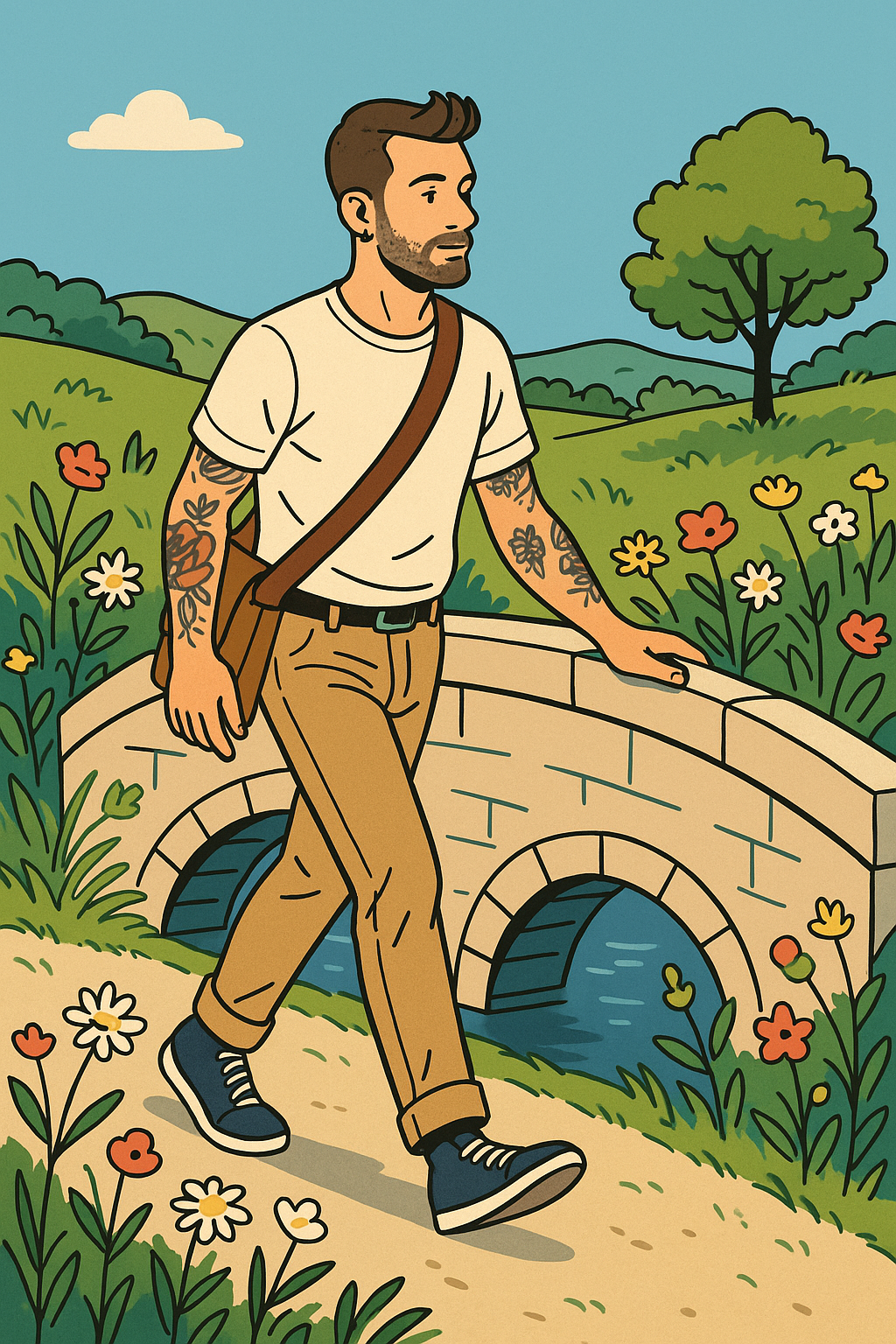
A man with arm tattoos walks past an arched bridge over a stream in a field of flowers

Microadventures Based on Curiosity

Curiosity is one of the easiest ways to interrupt stress. When you let yourself wander toward whatever catches your attention, your mind slips into a lighter mode — playful, open, less tense. There’s no goal except noticing something new.

How to practice:

  • Choose one thing to explore: a sound, a sign, a narrow street, a tree

  • Follow your attention wherever it pulls you: no pressure, no destination

  • When you return, reflect: What surprised you? What delighted you? What made you pause?

Curiosity refreshes the mind without feeling like work.

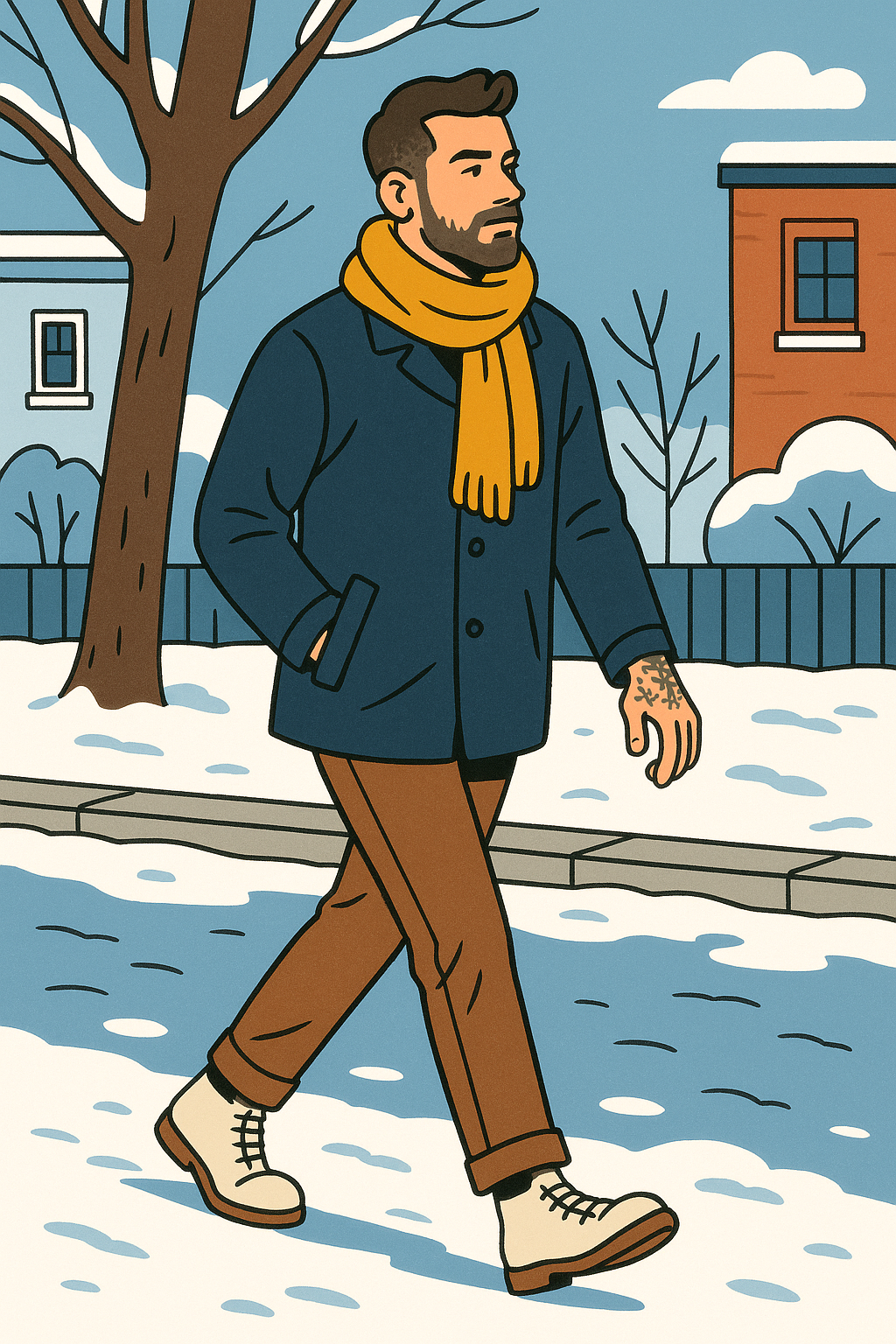
A man walks along a snowy street in a winter coat and yellow-orange scarf

Building a Weekly Microadventure Habit

Microadventures don’t demand extra time, money or planning — but they offer a real sense of renewal. They help you see familiar spaces differently, ease emotional tension and reconnect with the present moment. Pick one format to try this week and keep it simple. New experiences, even tiny ones, create breathing room inside your routine.

A microadventure might be short, but the shift it creates can carry through your whole day. –Victoria Samokhval


Victoria Samokhval is a certified clinical psychologist and psychotherapist with expertise in Gestalt therapy and cognitive behavioral therapy (CBT).

7 Must-Have Items Every First-Class Flight Traveler Should Pack

From noise-canceling headphones to skincare essentials and perfectly packed travel bags, these first-class must-haves elevate comfort, style and serenity from takeoff to touchdown.

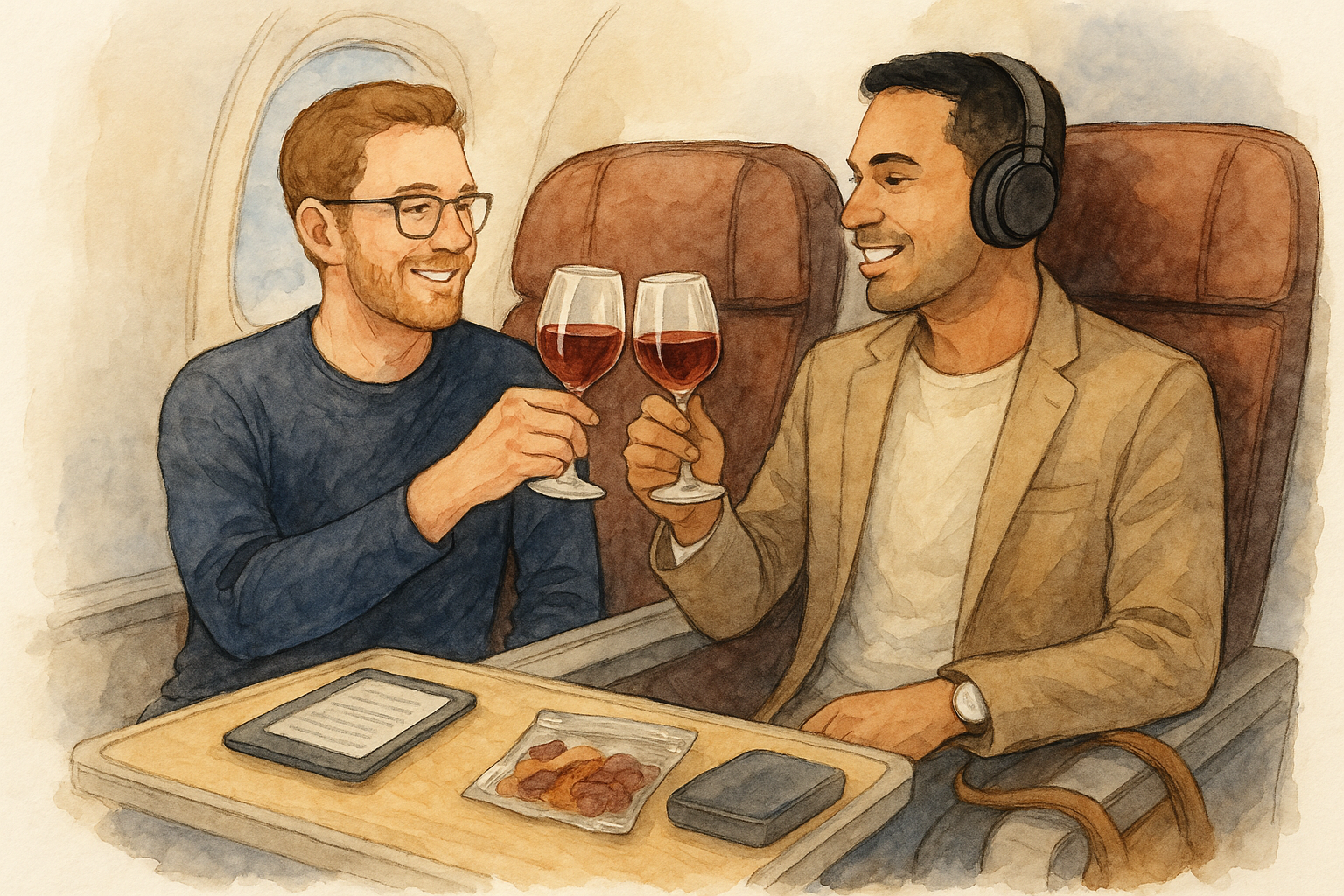
A gay couple, one with glasses, one with headphones, cheers their wine glasses in their first-class seats on an airplane

Flying first class is one of life’s most refined pleasures. From the moment you step into the airport lounge to the second you recline your seat midair, every detail is designed for comfort and class. 

Yet the difference between a good flight and a truly memorable one often comes down to what you bring with you. Packing smartly means you’ll arrive refreshed, stylish and ready to enjoy your destination.

Whether you’re an experienced jet-setter or preparing for your first luxury flight, these essential items will help you stay comfortable, polished and perfectly organized from takeoff to touchdown.

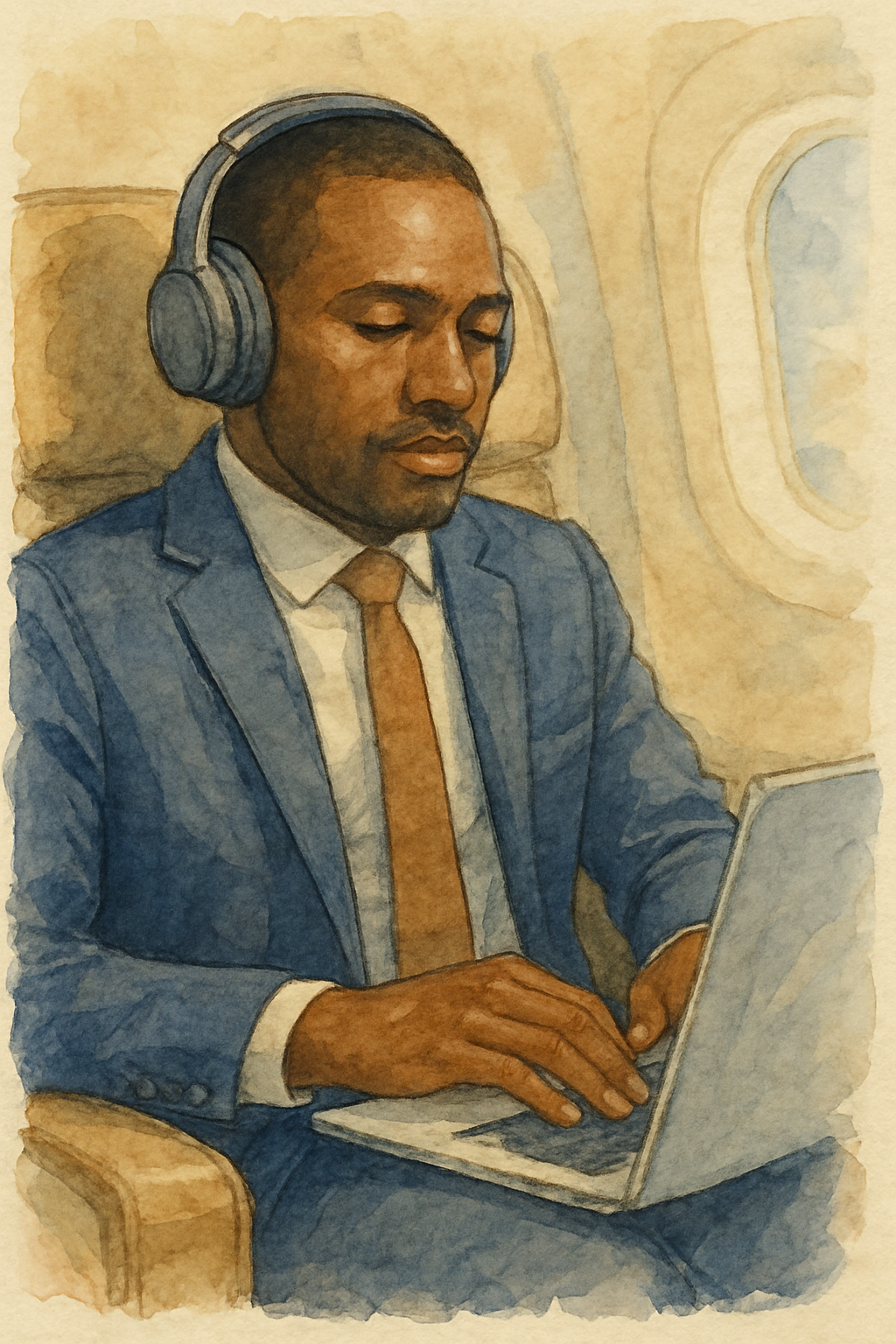
A man in a suit wears noise-canceling headphones while working on a laptop in first class on a flight

1. Noise-canceling headphones

Even in a first-class cabin, there are moments when silence becomes the ultimate indulgence. A pair of high-quality noise-canceling headphones blocks out the constant hum of the aircraft and creates a personal space of calm. You can immerse yourself in your favorite playlist, catch up on a podcast or watch a film without the distraction of background noise.

Look for headphones that offer excellent sound balance, long battery life and a comfortable fit for extended wear. Over-ear models often deliver superior noise isolation, while wireless options with Bluetooth connectivity ensure a clutter-free experience. Brands like Bose, Sony, and Bang & Olufsen consistently deliver superior performance for discerning travelers.

A woman puts on moisturizer in her first-class seat on a flight

2. Skincare and hygiene kit

Cabin air is notoriously dry, and even a short flight can leave your skin dehydrated and dull. A well-curated skincare and hygiene kit ensures you land looking as refreshed as when you boarded. Include essentials such as a hydrating mist, moisturizer and lip balm. These small items go a long way in maintaining comfort during the flight.

For hygiene, pack travel-sized toothpaste, sanitizing wipes and a mini deodorant to freshen up mid-journey. It’s not about carrying a full vanity, but about smart choices that keep you feeling confident and clean. A gentle face cleanser and hand cream can also help counter the effects of dry cabin conditions.

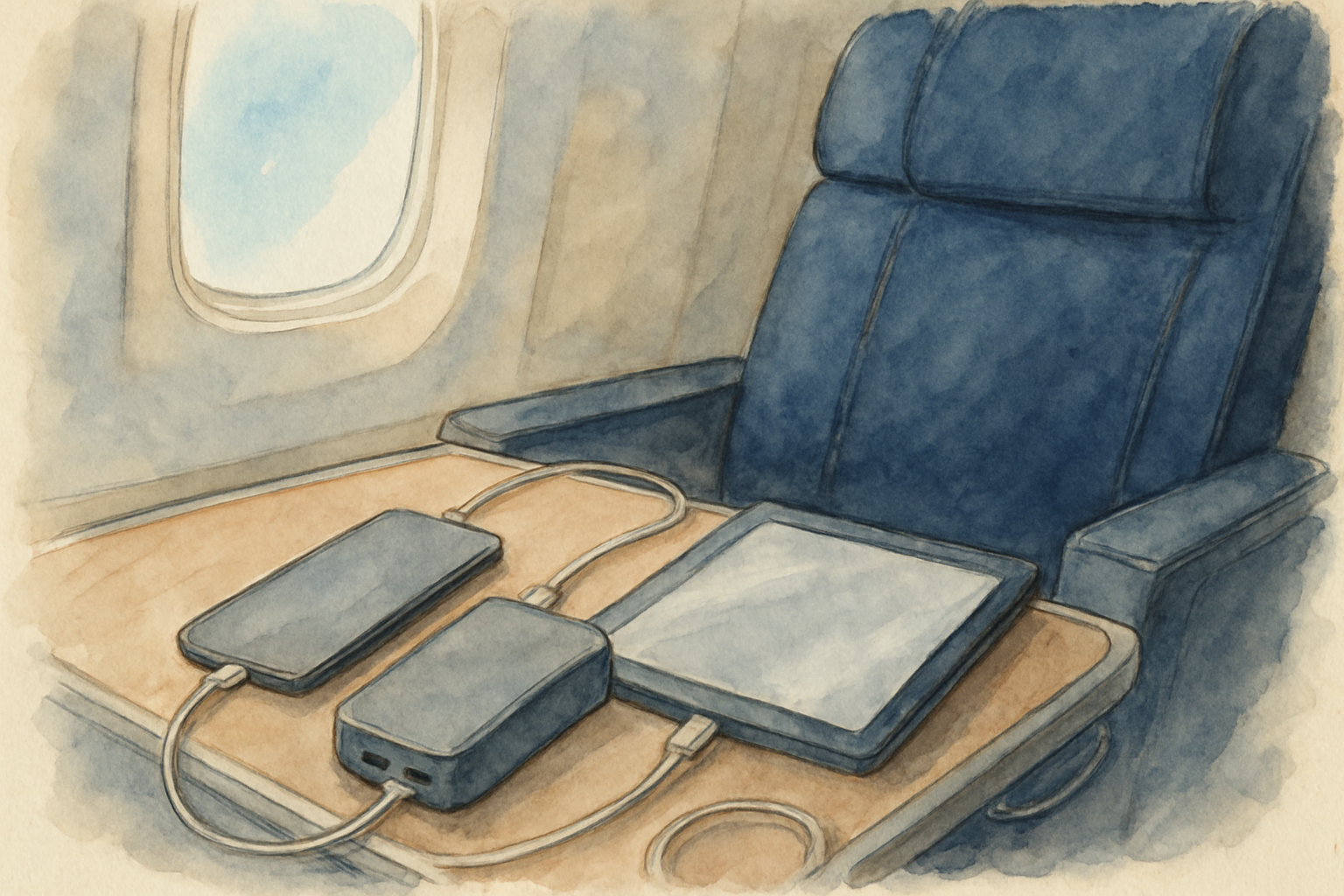
A portable charger and power pack connect to a tablet on a tray table in a first-class cabin of an airplane

3. Portable charger and power bank

Even first-class passengers can find themselves running low on battery power mid-flight, especially when using multiple devices. A reliable portable charger ensures your phone, tablet or laptop remains powered for entertainment, communication or work.

Choose a power bank with a high capacity but compact size so it doesn’t add bulk to your carry-on. USB-C compatibility and fast-charging capability are essential features for modern travelers. A charged device lets you stay connected or unwind with your favorite shows, music and audiobooks throughout the flight.

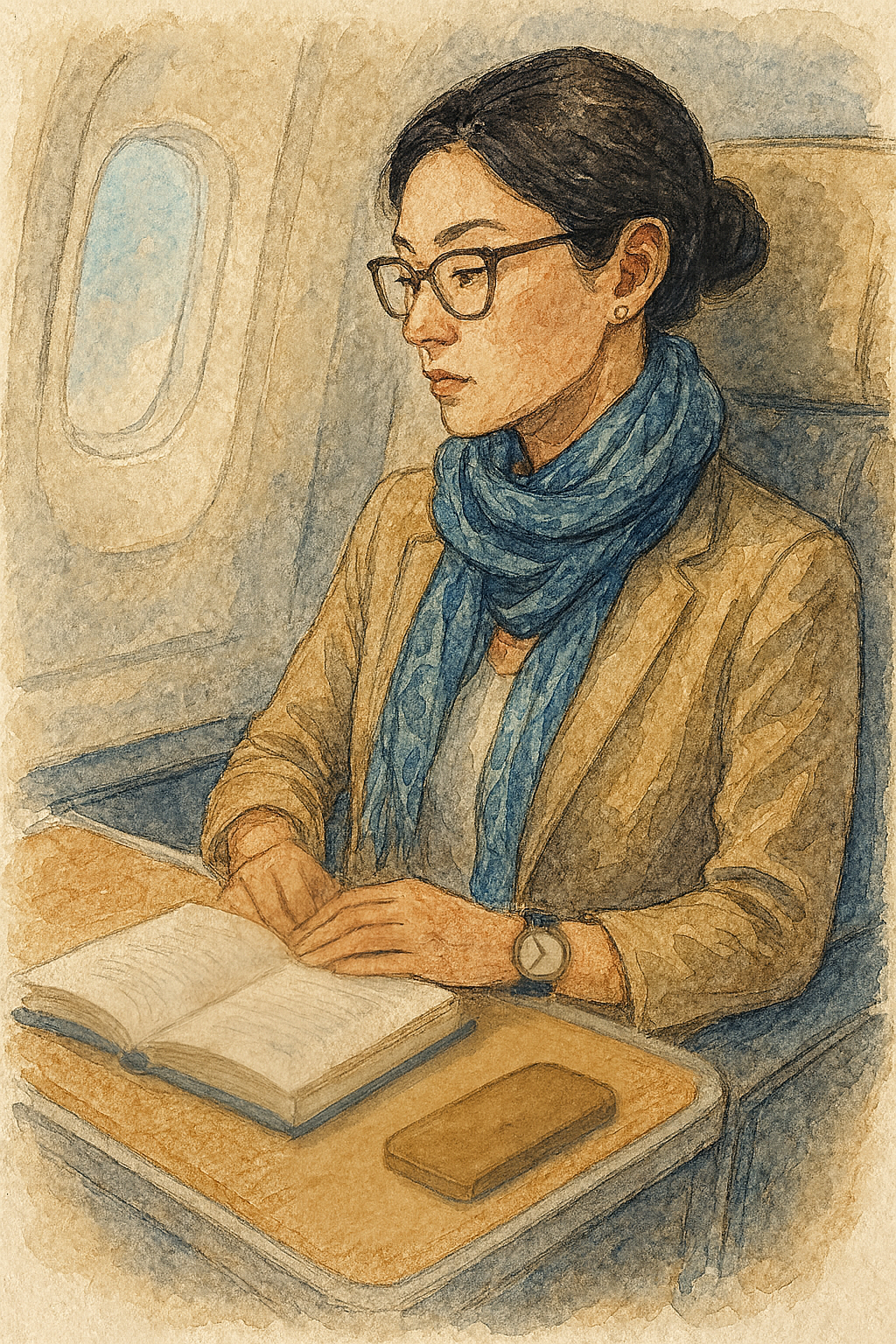
A woman in a scarf and glasses has an open book on her tray table in a first-class seat of an airplane

4. Scarfs, watches, glasses and other accessories

Luxury travel isn’t only about where you sit but also how you present yourself. Accessories that strike the right balance between comfort and sophistication can enhance your overall flying experience. A soft silk scarf or pashmina adds warmth without compromising elegance, while a stylish wristwatch helps you keep track of different time zones with ease.

Equally important is eyewear that complements your personal style while offering comfort and protection. Stylish eyeglasses can add refinement to your look and reduce digital eyestrain from in-flight screens. Whether you prefer bold frames or minimalist designs, the right pair completes your ensemble and ensures your eyes stay comfortable throughout the journey.

Don’t forget to include a sleep mask and a pair of compression socks for added relaxation. Together, these accessories help you maintain a sense of calm and poise while traveling at 30,000 feet.

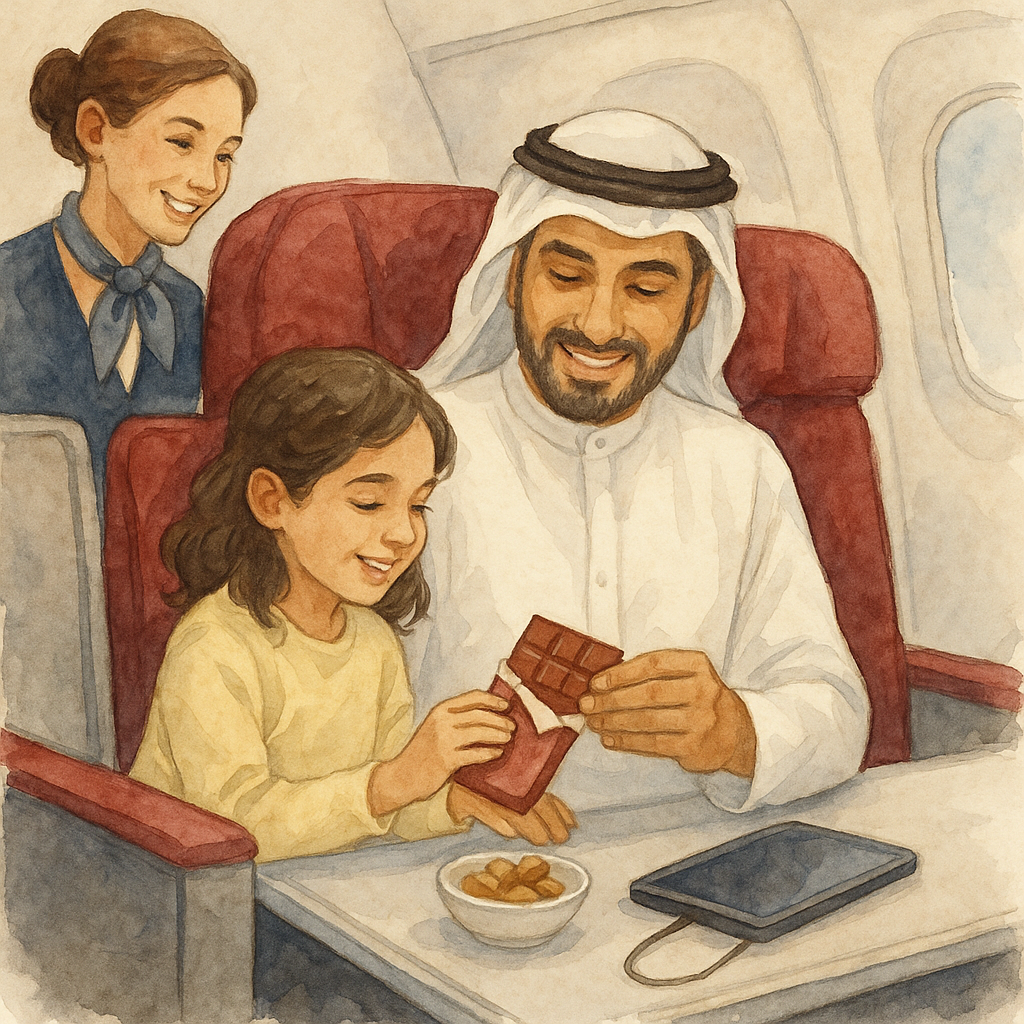
A Middle Eastern man shares a chocolate bar with his daughter in a first-class seat of a plane while a flight attendant watches and smiles

5. Gourmet snacks

While first-class menus are typically curated by renowned chefs, sometimes your body craves something familiar or light between meals. Bringing your own snacks allows you to enjoy a personalized treat that fits your preferences and dietary needs.

Opt for wholesome options such as mixed nuts, dark chocolate, dried fruit or protein bars. These choices provide sustained energy without the crash associated with sugary snacks. Pack them in resealable pouches or compact containers for convenience. Having your favorite snack on hand adds a touch of comfort and control to your journey.

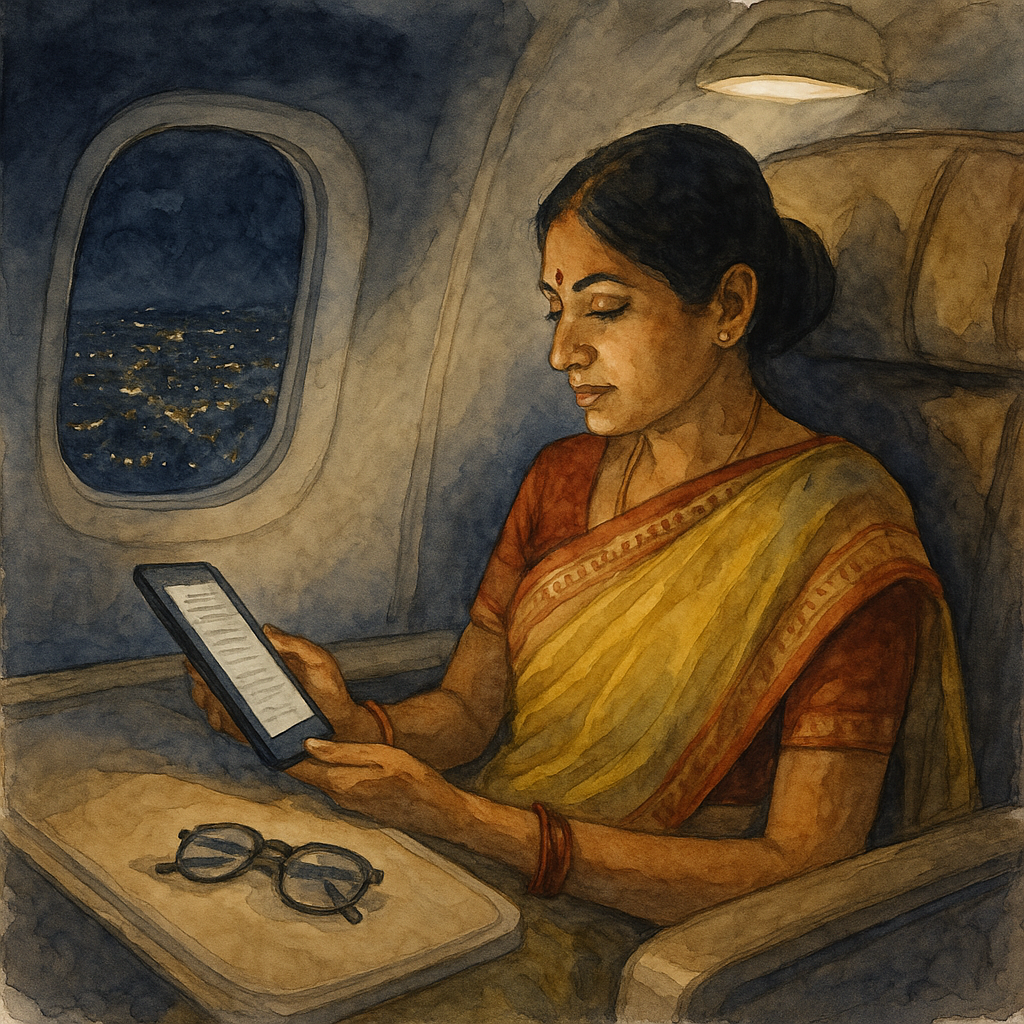
A woman in a sari reads an e-reader with glasses on her table in a first-class seat of a plane flying above a city at night

6.E-readers loaded with e-books and magazines

A good book has long been a traveler’s best companion. With an e-reader, you can carry an entire library without taking up space. Load it with a mix of fiction, biographies, travel memoirs and magazines before you board. If reading feels too demanding after a long day, consider audiobooks for a hands-free experience.

For something more interactive, many e-readers and tablets now allow you to annotate or highlight interesting passages. This makes them useful not only for leisure but also for personal reflection or study. Pairing your e-reader with noise-canceling headphones transforms your cabin seat into a private reading nook at 40,000 feet.

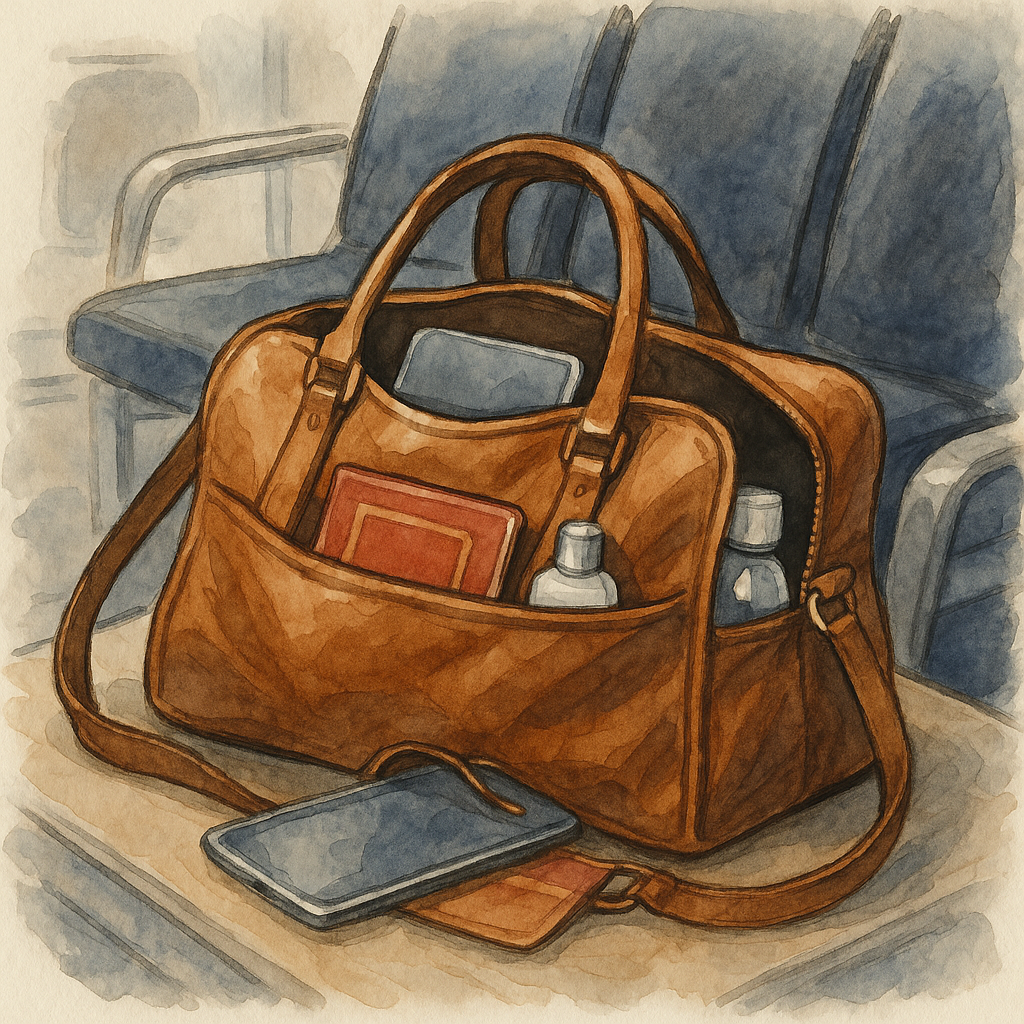
A packed travel bag full of devices, water, documents and hygiene items on a table in the waiting area of a gate at an airport

7. Travel bag

A well-designed travel bag is the finishing touch that ties your journey together. It keeps your essentials organized and accessible while adding an unmistakable sense of sophistication to your look. Choose a structured, high-quality bag made from durable materials like leather or water-resistant nylon.

Interior compartments help separate your electronics, toiletries and travel documents, while an exterior pocket keeps your passport and boarding pass within reach. For longer flights, a tote or weekender bag with both handles and a detachable shoulder strap offers versatility and comfort.

Investing in a travel bag that combines style with practicality not only enhances convenience but also reflects the attention to detail that defines first-class travel.

A rich bitch in a fur coat and sunglasses sits in her first-class seat of a plane, with her toy poodle with a red bow and a bag a treats on the tray table next to her

Packing With Purpose 

Flying first class offers a unique opportunity to experience comfort, style and serenity all at once. However, what truly sets the tone for a smooth journey is how well you prepare. Nothing ruins a trip faster than forgetting to pack something essential. Including these items ensures that every aspect of your trip from entertainment to relaxation feels effortless.

Noise-canceling headphones, skincare essentials and elegant accessories like eyeglasses all work together to elevate your comfort and confidence. Add a touch of indulgence with gourmet snacks, a good book and a beautifully crafted travel bag, and you’ll have everything you need to enjoy every moment of your flight.

In luxury travel, it’s not about packing more, but packing with intention. Every carefully chosen item contributes to an experience that feels seamless, sophisticated and entirely your own. –Adam Mark


Adam Mark is a travel storyteller and culture enthusiast who explores the world with a curious mind and an unfiltered lens. Passionate about uncovering the humor, humanity and hidden realities behind every journey, he writes to inspire readers to see travel not just as movement, but as a transformative experience.

RELATED: What to Pack for South America 

Understanding Your Rights When Your Flight Is Delayed During Travel to or From the EU

European flight delayed? You might have more passenger rights than you realize. Here’s what you’re owed, what airlines must provide, and how to claim compensation the easy, stress-free way.

Three passengers sit at an airport under a sign showing delayed flights, with a plane outside the window

Air travel and delays go together like wine and cheese — except only one of those pairings is pleasant. Fortunately, the EU has some of the strongest flight-delay protections in the world. Whether you’re flying to, from or through an EU airport, you may be entitled to food, hotels, refunds or even cold hard compensation.

This guide breaks down exactly what your rights are, why they matter, and how to use them when you’re stuck on the wrong side of a departure board.

Flight delays can derail vacations, business trips and the sacred duty of restocking French pharmacy skincare.

Luckily, EU air passenger rights are some of the strongest in the world.
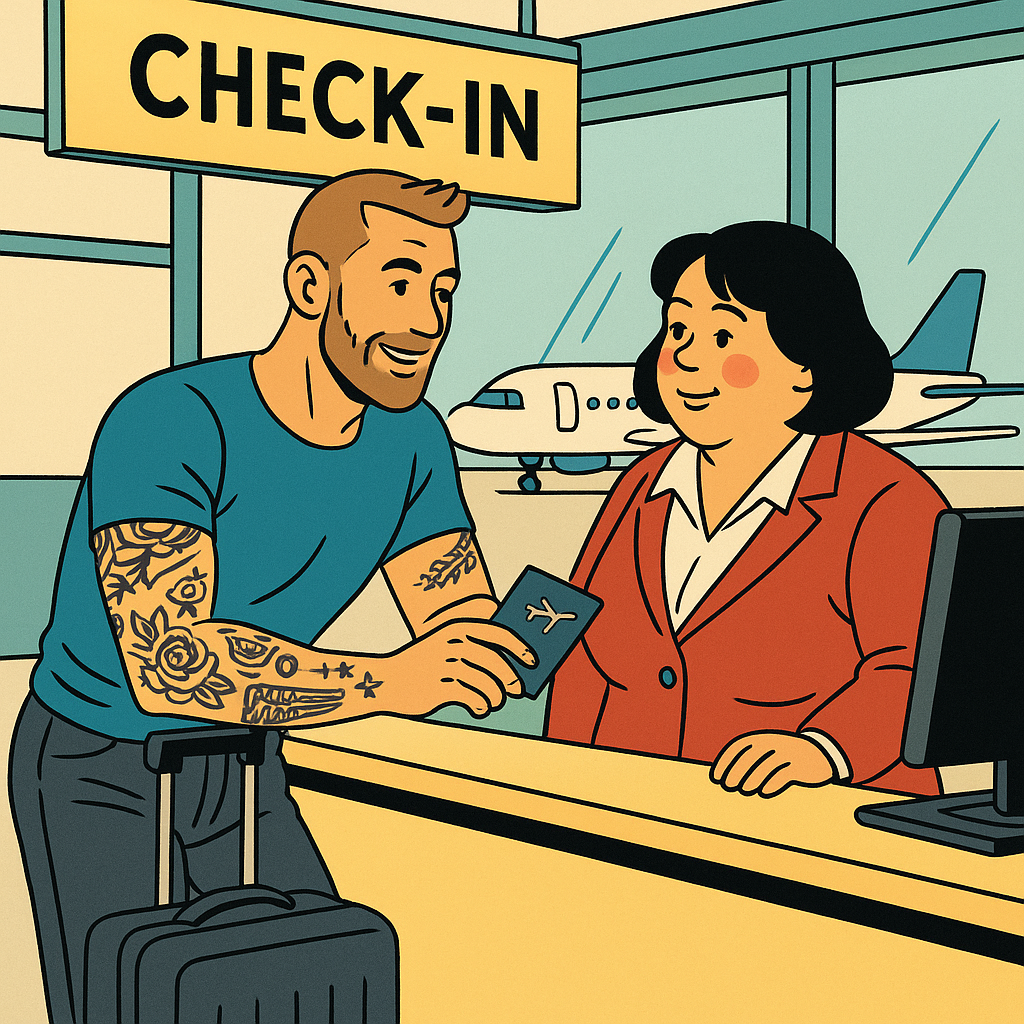
A man with tattoos on his arms and a beard flirts with the woman at the check-in counter at an airport, making her blush

Who Is Covered Under EU Passenger Rights?

Not every traveler falls under EU rules, so a quick check is in order. You’re covered if:

  • Your flight departs from a country in the EU or EEA (European Economic Area, essentially EU + Norway, Iceland and Liechtenstein), regardless of the airline

  • You’re flying into the EU or EEA and your airline is based in the EU/EEA

  • You have a valid ticket and checked in on time (no fashionably late arrivals here)

If your itinerary ticks these boxes, congratulations — you’ve unlocked a handy bundle of passenger protections.

A couple are tired, holding their ears at a Mexican restaurant as a mariachi band plays behind them

When a Delay Triggers Your Rights

Not all delays are created equal, but your rights start kicking in long before compensation enters the chat. As the clock ticks, so do your entitlements:

  • Meals, drinks and communication support

  • Hotel stays if the delay drags into the night

  • Refunds or rebooking after the five-hour mark

  • Compensation if the airline is actually at fault

The longer the delay, the more the EU insists airlines take care of you — as they should.

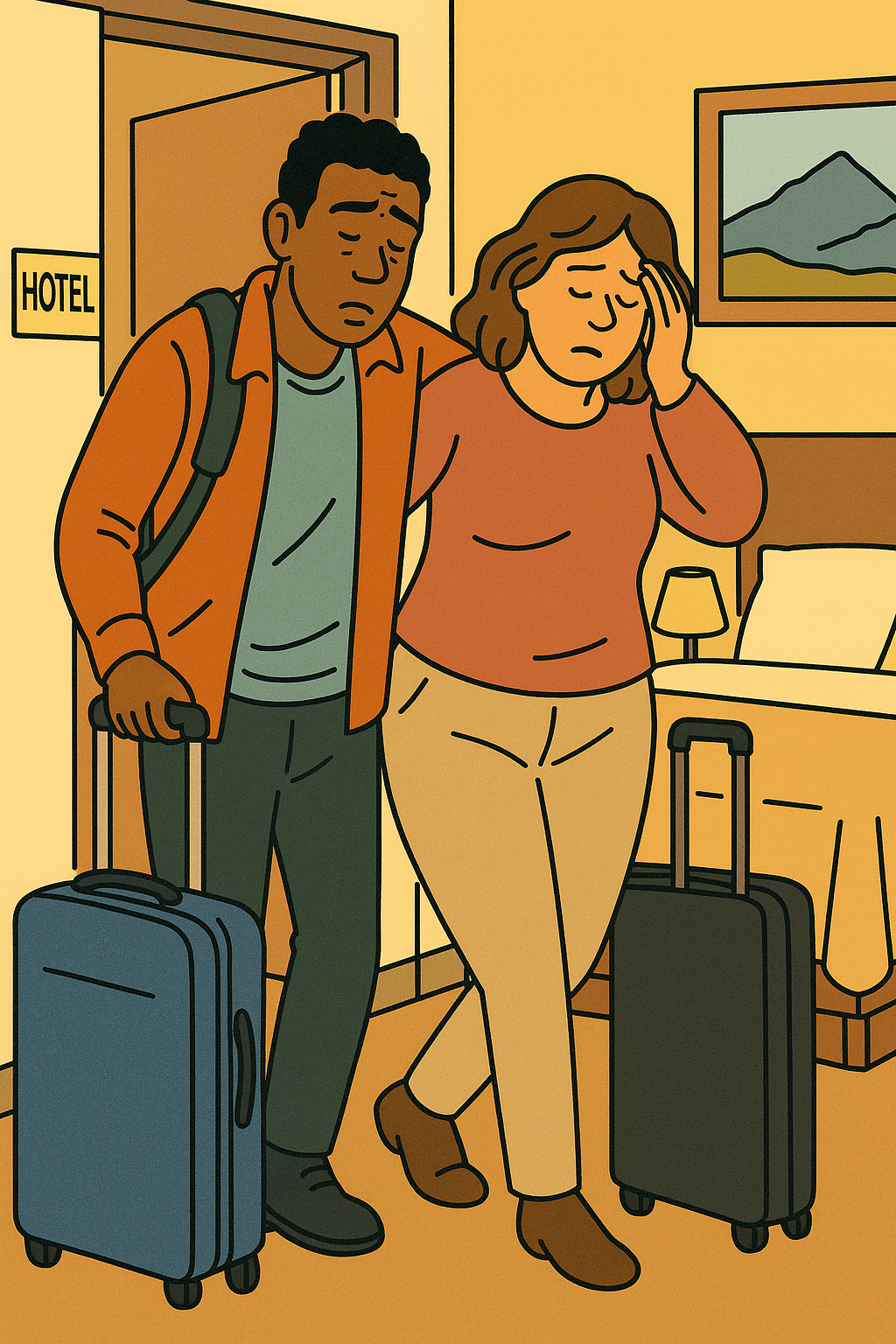
A couple walks into a hotel room, exhausted, with their roller suitcases

Assistance You Should Receive During a Delay

EU rules break it down by flight distance:

  • Short flights: after about 2 hours

  • Medium distance: after about 3 hours

  • Long haul: after about 4 hours

Once those thresholds hit, the airline owes you “reasonable” food and drinks (interpretations of reasonable may vary), plus access to calls or emails so you can rearrange plans.

If the delay goes full Cinderella and hits midnight, the airline must provide a hotel and transport between the airport and your lodging — even if the delay wasn’t their fault.

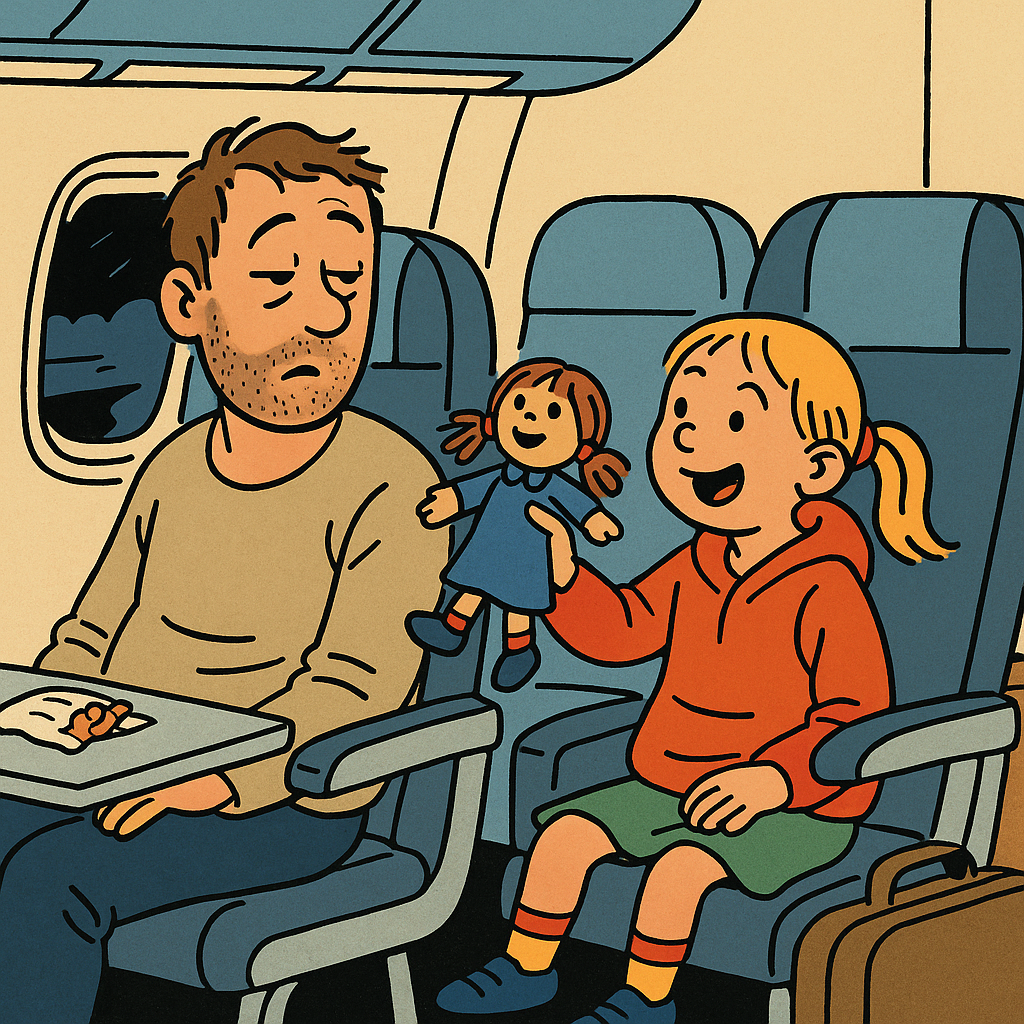
An exhausted, unshaven man sits on an airplane, looking over at a young girl in a ponytail, chatting away and holding up her doll

When a Long Delay Entitles You to a Refund

If your flight is delayed five hours or more, you’re no longer obligated to keep the relationship alive. You can walk away — kindly, firmly — and request a full refund for the unused portion of your ticket.

If your delay makes a connecting trip pointless, you can also ask to be flown back to your original airport.


Compensation for Delays That Are the Airline’s Responsibility

This is where things get interesting. You may qualify for compensation if:

  • You arrive 3+ hours later than planned

  • The delay was the airline’s fault, not extraordinary circumstances

  • Your journey falls under EU coverage rules

Compensation ranges from €250 to €600, depending on flight distance. Airlines can reduce the amount by half if they get you to your destination only slightly later than planned — but only if you accept the reroute.

This compensation is in addition to meals, hotels and refunds. Yes, you can get both.

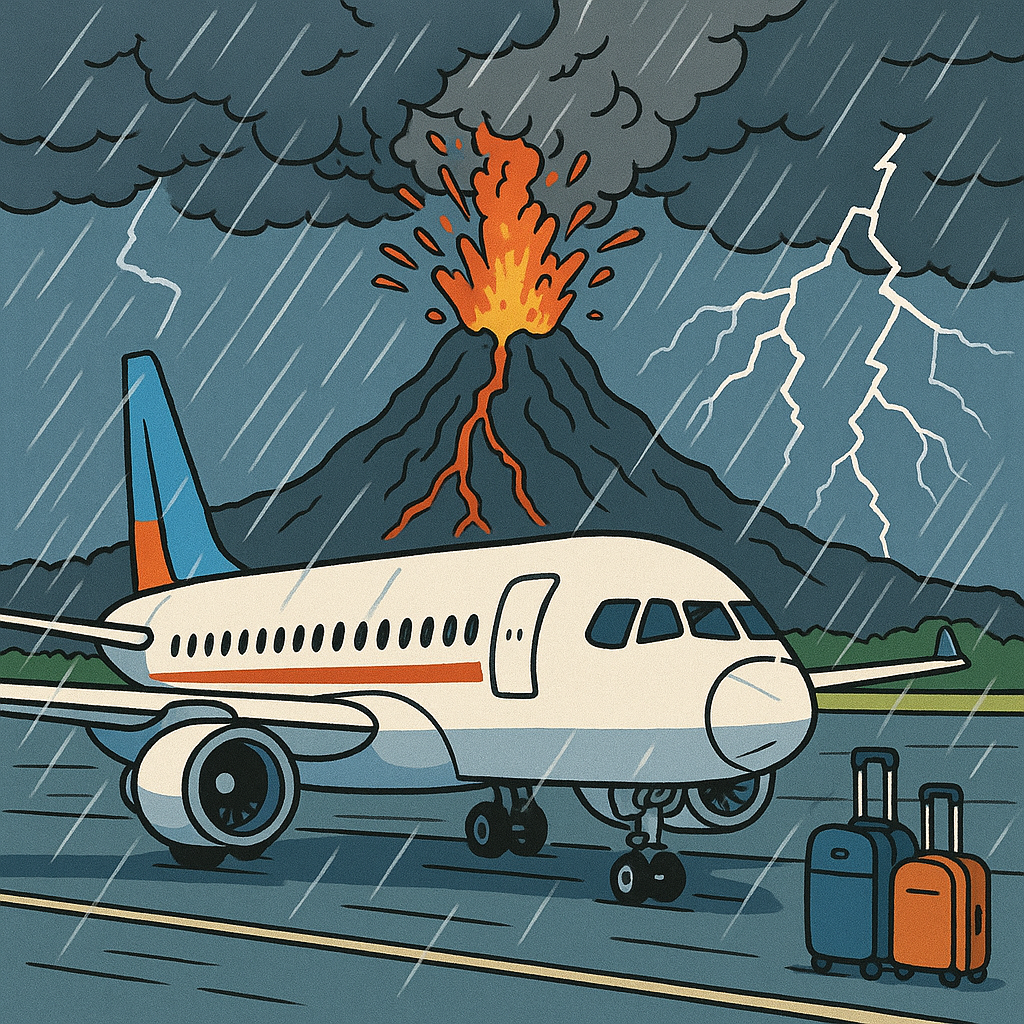
A volcano erupts lava during a thunderstorm by an airplane on the tarmac with a couple of suitcases nearby

What Counts as Extraordinary Circumstances

Some delays really are out of an airline’s hands. These don’t qualify for compensation, but your care rights still stand. Extraordinary circumstances may include:

  • Intense, unsafe weather

  • Airport or airspace closures

  • Air traffic control restrictions

  • Political instability impacting safety

Even here, airlines must keep you fed, hydrated, and sheltered until things clear.

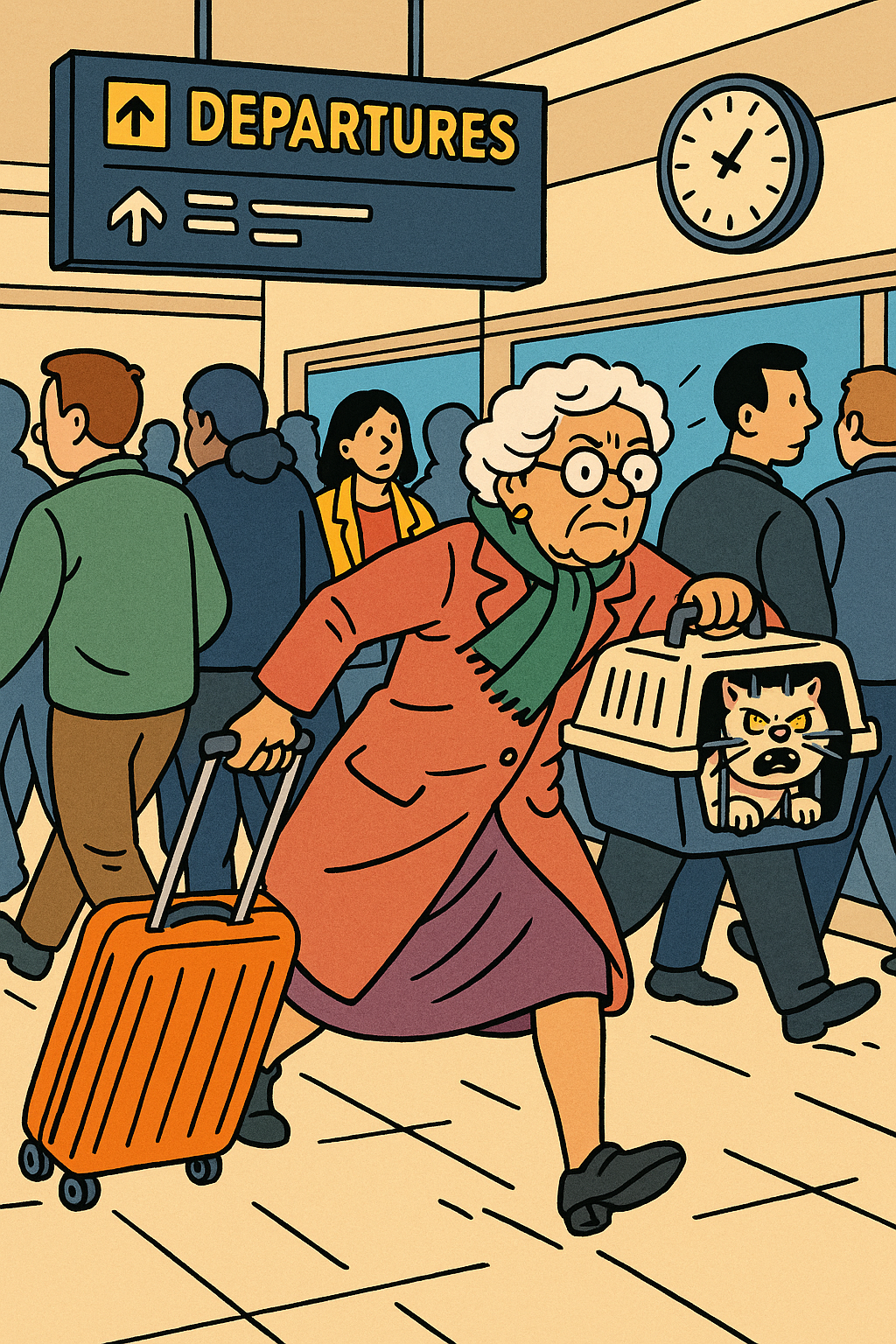
A determined, white-haired old lady rushes through the airport to make a connection, the cat in the carrier she holds upset

What Happens If You Miss a Connection

Missing a connection is peak travel misery. But if both flights are on the same booking and you reach your final destination 3+ hours late, you may be owed compensation.

It doesn’t matter if your second flight is outside the EU — if your journey started within the EU, your rights follow you all the way home (or all the way to Lisbon, Paris, or the Croatian island you still can’t pronounce).

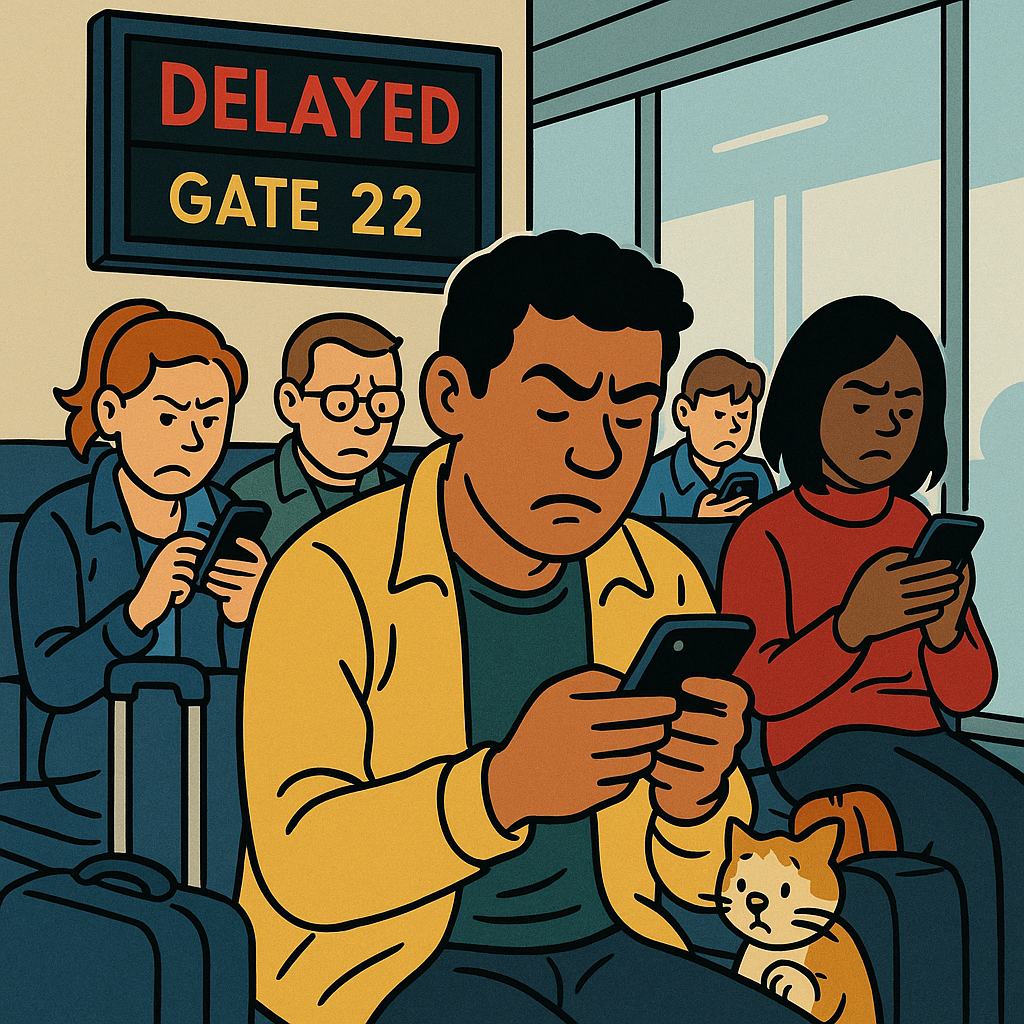
Everyone sitting in the waiting area of an airport gate are on their phones, annoyed, and a sign above their heads shows their plane is delayed, and there's also a sad cat

What Airlines Must Tell You During a Delay

Airlines have to inform you of your rights, both via posted notices and written guidance when a delay activates your entitlements.

Spoiler: They’re not always great at this.

Even if they never mention your rights, your protections still apply — which is why it’s crucial to save everything: boarding passes, confirmations, receipts, and the timestamped existential texts you sent from the gate.


Why You Should Document Everything

If you later decide to submit a claim, documentation is your best friend. Note:

  • Exact arrival time (doors open = the official moment)

  • Any expenses you paid out of pocket

  • What airline staff told you

Think of it as assembling a tidy little evidence folder — future-you will be grateful.

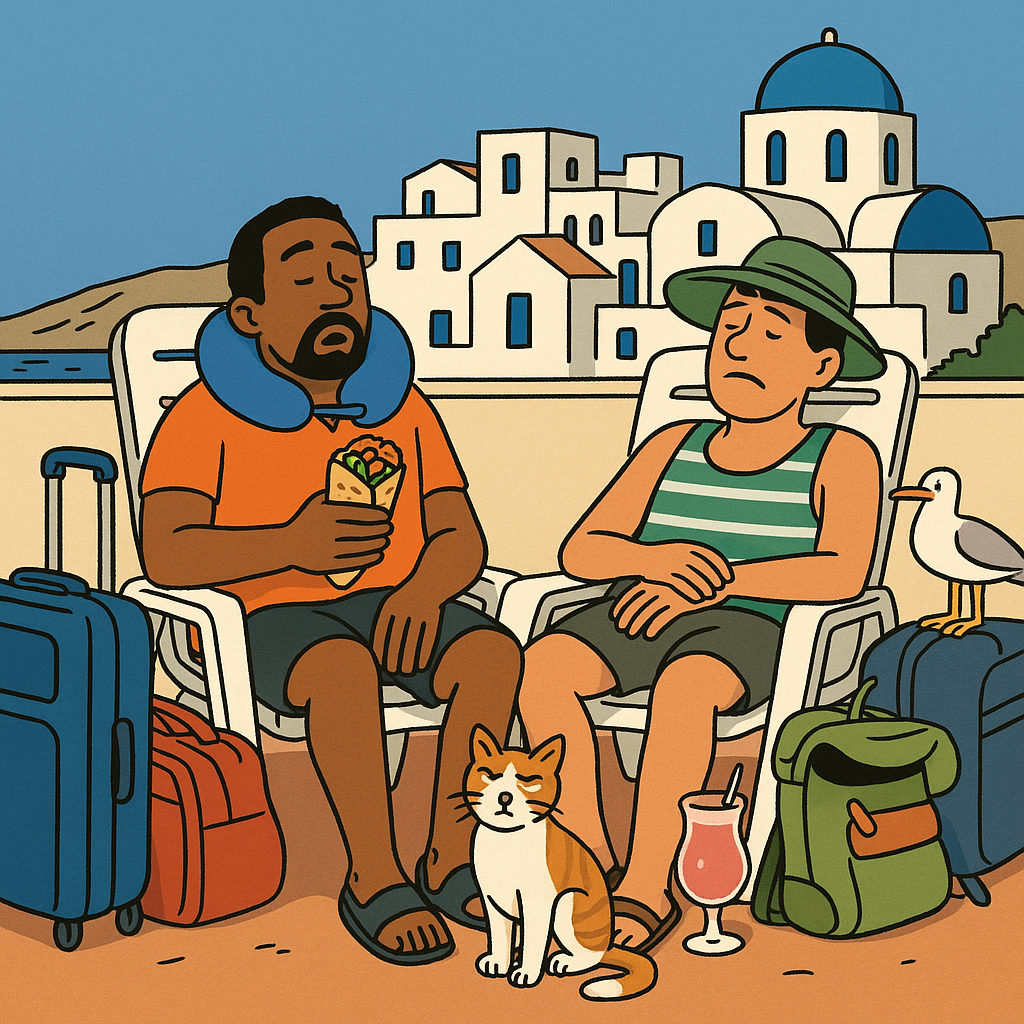
A gay couple sits, exhausted, in Mykonos, Greece, one with a neck pillow and holding a gyro, the other with a tropical drink next to a cat, as a seagull stands on their luggage

Claiming Compensation Through a Service

Airlines sometimes resist. They may delay, deny or make the claim process feel like emotional CrossFit.

That’s why many travelers use professional claim services. These companies take on the paperwork, the followups and the arguments — and only charge a fee if they win.

Passengers can claim compensation for a delayed flight through services like AirHelp, which aid travelers in understanding their rights and navigating the process without stress, jargon or chase-the-airline energy.

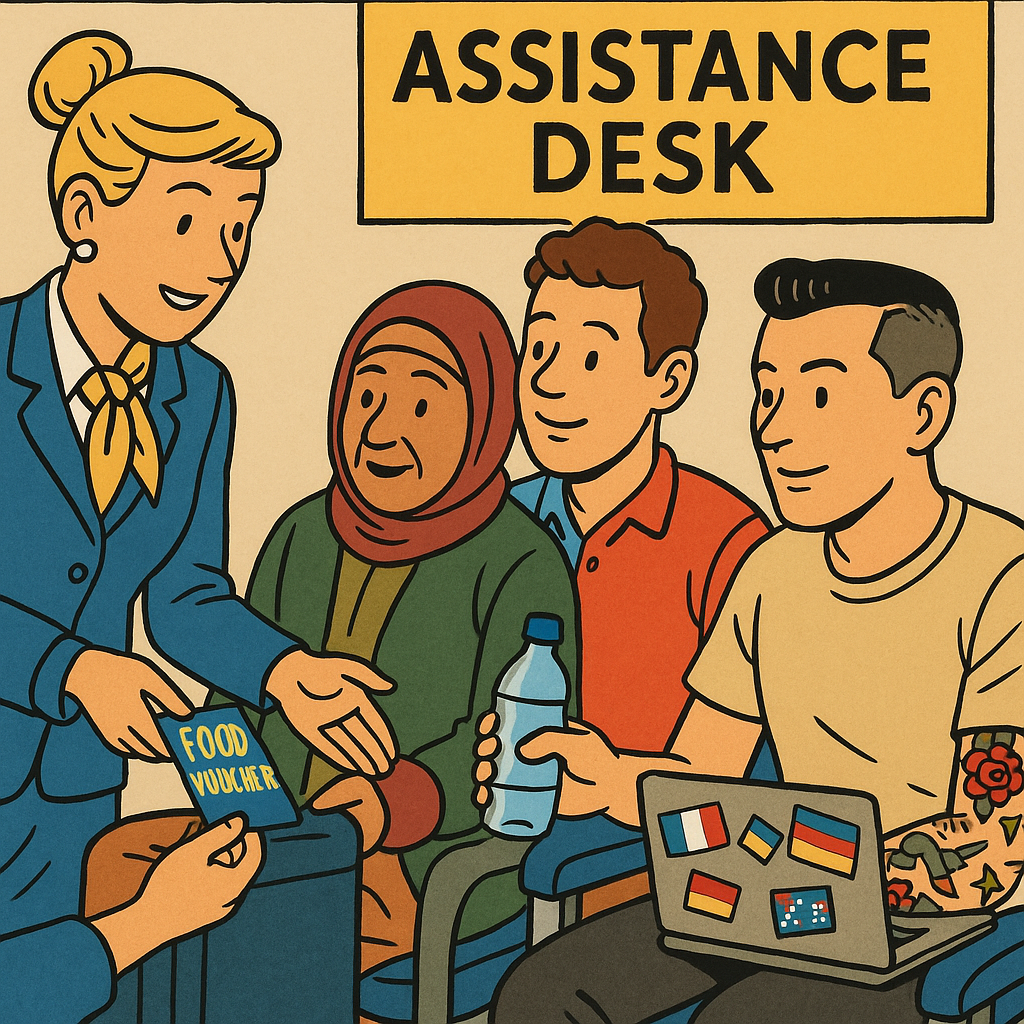
A woman at the assistance desk of an airport hands out food vouchers and bottles of water to passengers who have had delayed flights

Final Advice for Travelers

Flight delays can derail vacations, business trips and the sacred duty of restocking French pharmacy skincare. Luckily, EU air passenger rights are some of the strongest in the world.

If a delay hits, remember:

  • Your right to meals and care kicks in early

  • Refunds and rebooking appear at five hours

  • Compensation might be waiting if the airline is responsible

Stay calm, keep your documents and always double-check what you’re owed. And if you’d rather skip the bureaucracy entirely, a claim service can help make sure you receive every euro you deserve.

With the right knowledge, even a delay can’t stop you from traveling smarter — and maybe even arriving with a story worth telling. –Anya Thorne

Best Secrets to Find Common Ground Anywhere

You don’t need a shared language to understand someone — just an open mind, a curious heart and maybe a meal together. Discover the simple, human gestures that turn strangers into friends anywhere in the world.

A woman shops at a fruit stand at a market, with awnings and other shoppers and vendors carrying baskets of flowers and vegetables

It doesn’t matter where you go — the language, the food or even the way people cross the street can feel alien. Yet, beneath all that difference, a pulse remains the same: People want to connect. In a world that moves faster than your next flight, finding common ground is more than just being polite; it’s survival for the modern traveler, the curious mind and the restless soul.

Travel is a series of encounters. And in every one, culture becomes both a bridge and a wall. According to a recent survey by Arival, over 65% of travelers say their most memorable experiences come from interactions with locals, not sightseeing. That statistic tells a quiet truth — shared understanding turns destinations into stories.

Here’s how to find common ground and make connections no matter where you travel: 

Two women talk over coffee at a cafe in Prague, Czech Republic

1. Start with listening — not talking. 

The first and most underestimated secret is silence. People often mistake connection for conversation, but the reality is gentler. Listening is what opens the door. When traveling to new cultures, the rhythm of speech, tone and pauses can often tell more than words themselves.

Think about it. When you’re in a market in Morocco, in a café in Prague or waiting for a train in Japan, what makes you part of that place isn’t what you say — it’s how you observe. Active listening, psychologists note, improves empathy and helps form trust almost 40% faster than normal conversation.

So, whether you’re in the middle of an adventure through remote villages or navigating a big city, the rule holds: The quieter you become, the more you hear.

A man with a backpack talks with a Japanese family in a train compartment, with Mount Fuji seen out the window

2. Learn the little things. 

Culture isn’t always grand architecture or traditional festivals. Sometimes it hides in how people greet each other or how they serve tea. A traveler who learns to notice those things becomes less of an outsider.

Try saying just one word in the local language — not perfectly, just honestly. A study from the University of Cambridge showed that even a small attempt at local language increases positive reactions by nearly 70% in social encounters abroad. Why? Because effort is universal respect.

Adventure can also be about humility — learning from others without trying to prove that you already know something.

A gay couple is handed tacos from a street vendor in Mexico

3. Share food, share worlds. 

There’s no faster way to find common ground than by sharing a meal. Every dish is a cultural message — spicy, sweet, bitter or subtle, it tells a story of geography, history and survival. Sitting at a table, even in silence, can melt barriers faster than words.

In Thailand, you’ll see travelers and locals sharing street food without hesitation. In Italy, long lunches turn strangers into family. In Mexico, a tortilla passed from one hand to another carries warmth that no translation can express. Food, in essence, is diplomacy in disguise.

And yet, it’s more than that. Eating together reminds us that human adventure is shared — that we all need nourishment, warmth, laughter.

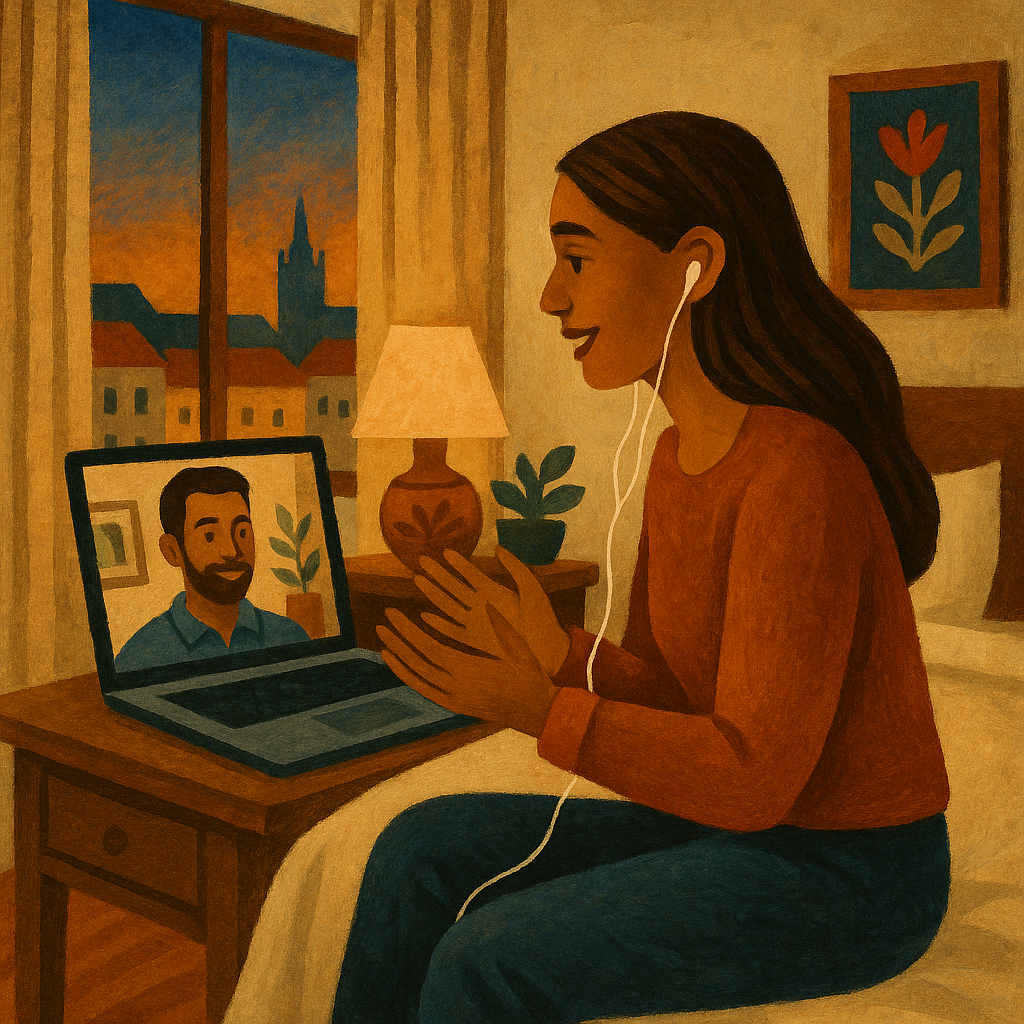
A woman video chats with a man on her laptop in a hotel room

4. Be curious, not  judgmental. 

It’s tempting to compare. To measure one culture by another. But to find common ground, curiosity must replace judgment. Curiosity leads to stories. Judgment leads to silence.

When you ask, ”Why?” instead of saying, “That’s strange,” you invite the world to explain itself to you. A traveler once said, “The moment you stop being surprised, you stop traveling.” And you don’t have to physically travel the world; you can open a window through live video platforms like CallMeChat and similar services. Chatting online helps you get to know new cultures and people, and develop your curiosity right from your smartphone or PC.

A family in a tuk tuk laughs with the driver

5. Use shared emotions. 

You may not share a language, but you share emotions. Laughter, surprise, gratitude — these are cultural passports. A smile can speak faster than Google Translate ever could. In moments of misunderstanding, humor eases the tension.

When someone helps you find your way or teaches you something local, gratitude bridges the gap. Travel is a lesson in vulnerability — in allowing yourself to be seen not as a tourist, but as a fellow human being.

Fans cheer on the sidelines of a football game in Brazil

6. Join local life, even briefly. 

To find common ground, you must step into daily rhythms — even if just for a short time. Take a bus, visit a community market, attend a local game or help in a small project. When you participate, you cross the line between observer and participant.

In studies, cultural immersion is said to increase empathy after a week or so of active engagement. That means walking the same streets, sharing the same weather, even facing the same small inconveniences — because in those moments, you stop being a visitor and start being part of the place.

Adventure becomes a two-way story. You take memories, yes, but you also leave traces — laughter, kindness, maybe a promise to return.

A nonbinary person smiles and holds their phone while talking with two boys by ancient ruins

7. Let technology help — but not lead. 

It’s tempting to rely on translation apps, maps or social platforms to connect. Yes, they’re useful — essential even. But the risk is losing the raw, human unpredictability that makes connection real.

Technology should foster connection, not isolation. It can help you learn a few words, understand customs or find cultural events nearby. Yet the deepest understanding happens offline — when you look up, make eye contact and exchange gestures instead of data.

A woman visiting a mosque takes off her shoes, puts on a scarf and kneels while a woman watches, smiling

Respect: The Core of Connection

Respect is the quiet foundation of all shared ground. It’s not about agreement; it’s about acknowledgment. You can admire another culture without adopting it. You can disagree without disrespecting.

When you travel through new lands, remember that your exploration unfolds in someone else’s home. Remember that. The more respect you give, the more culture gives back.

In fact, surveys across multiple countries show that travelers rated “respect for local customs” as the most appreciated trait in foreigners — above generosity or politeness. That says everything.

A multicultural group sits around a brazier with fire, some drinking hot beverages, and one man playing the guitar while the sun sets

Finding Universal Ground

Every culture is a mirror — sometimes clear, sometimes foggy — reflecting a version of humanity back at you. Finding common ground isn’t about losing your identity; it’s about expanding it.

Travel, when done right, teaches that there is no them. There’s only us, in different forms, languages and stories. And adventure — the real kind — begins when you start to see yourself in others.

In the end, the best secret to finding common ground anywhere is simple: Be human, and let others be, too. Everything else — the smiles, the shared food, the laughter, the lessons — will follow naturally. –William Charest

RELATED: How Living Abroad Will Challenge and Change You